|
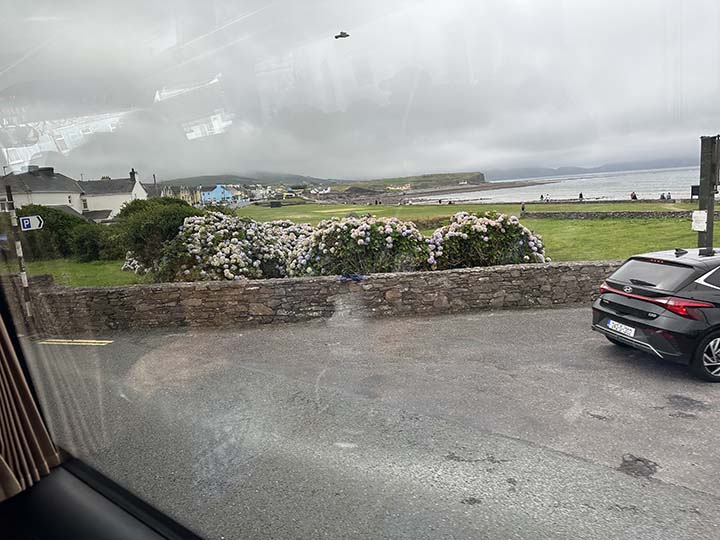
The skies today will be mostly overcast with occasional glimpses of blue mixed with dense fog and mist. Don't you love Ireland's weather?
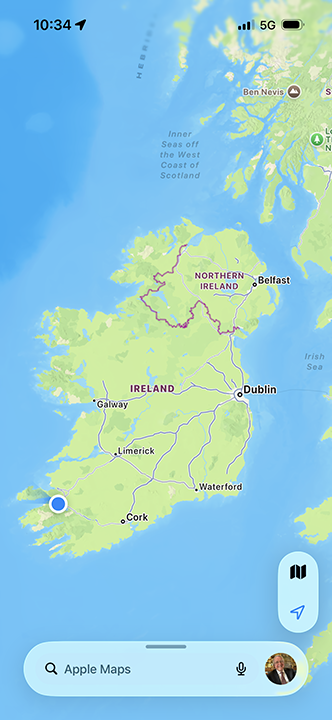
Here’s a map in case you were wondering what part of Ireland we are in today.
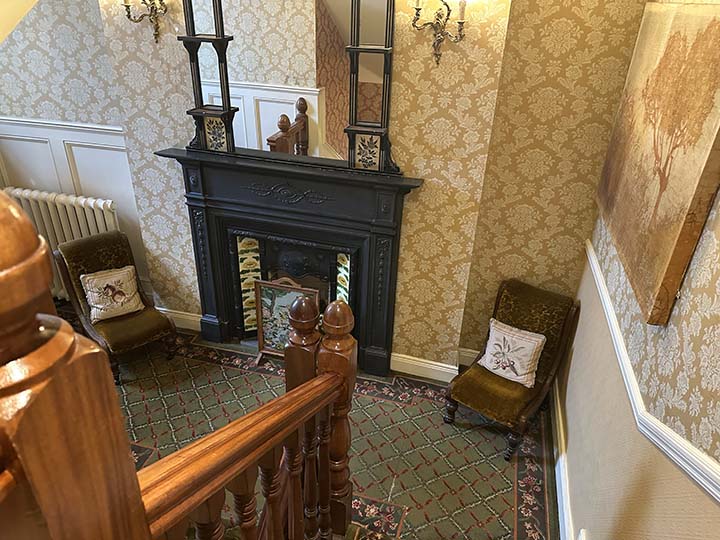
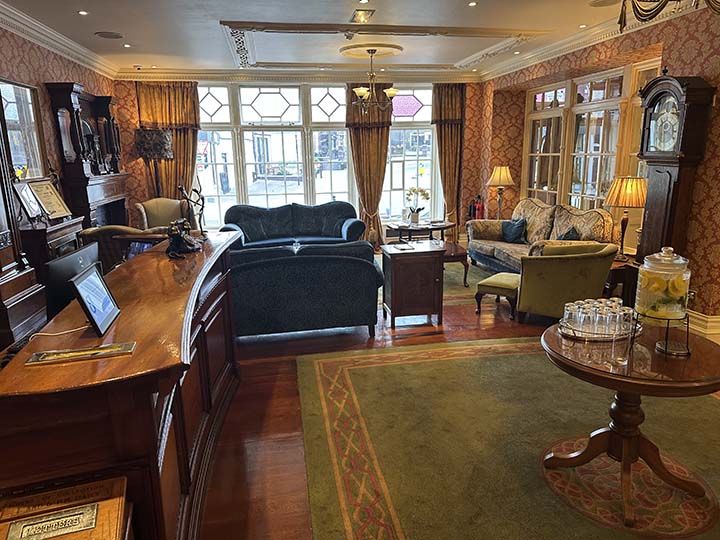
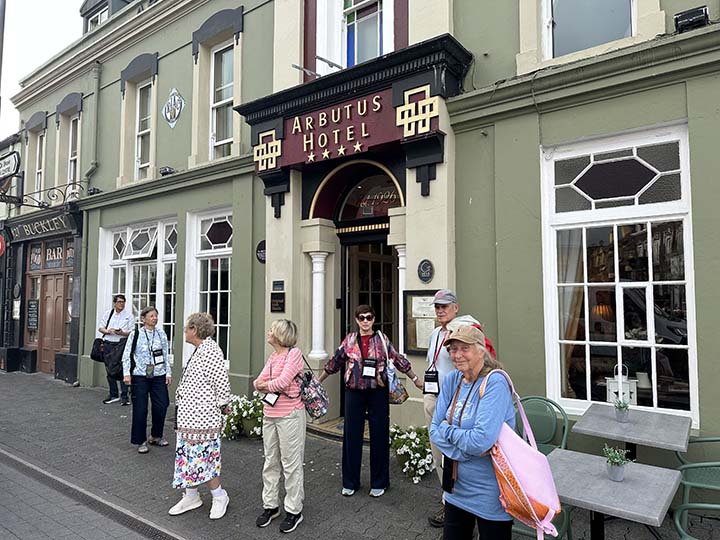
I may not have a great view from my room's window, but the rest of this hotel is pretty nice.
Quaint, really.
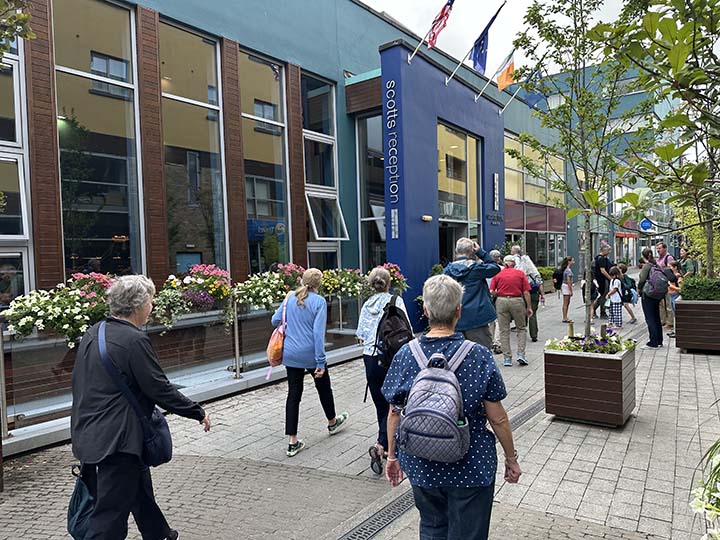
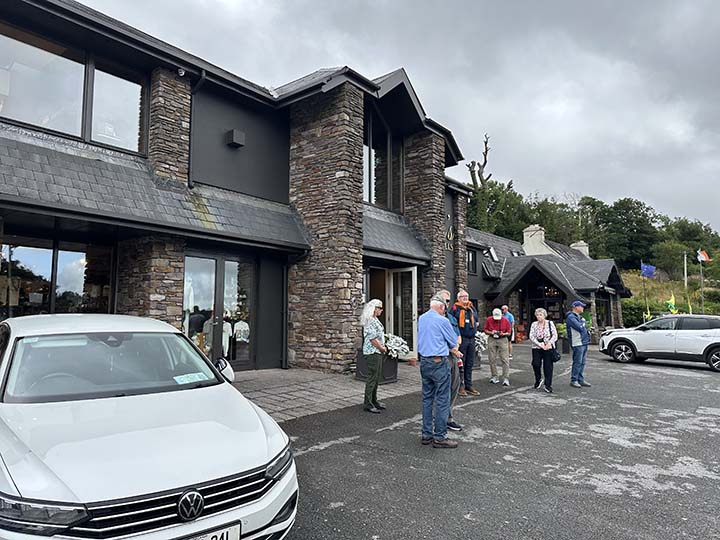
The Road Scholars are gathering outside. Brendan told us that the owner of the place is the uncle of Jessie Buckley who won the Best Actress Oscar this year for her role in HAMNET. I think I got that right.
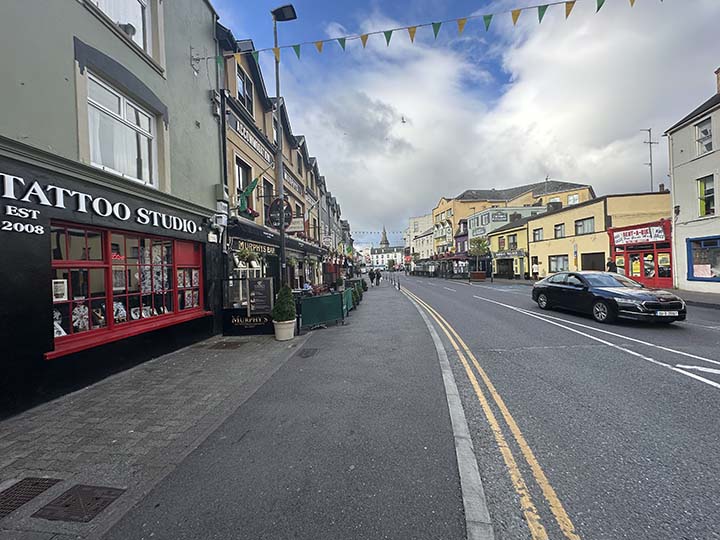
Nice town. Even the tattoo parlor looks quaint.
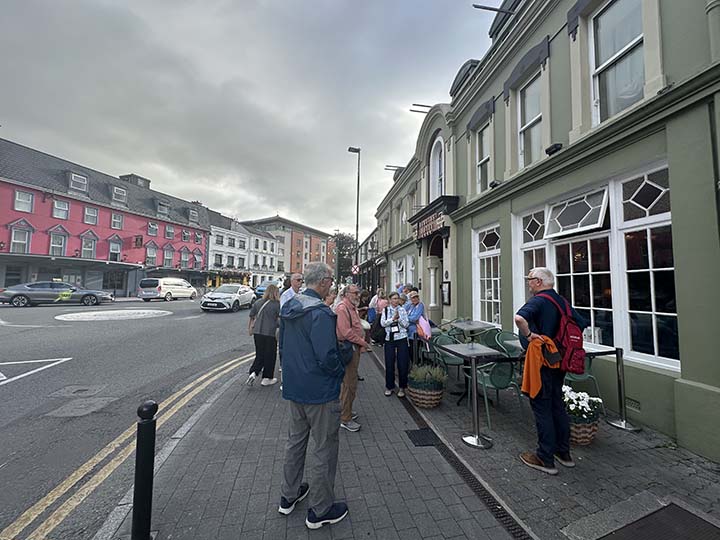
Brendan is gathering the troops.
And off we go to the morning lecture.
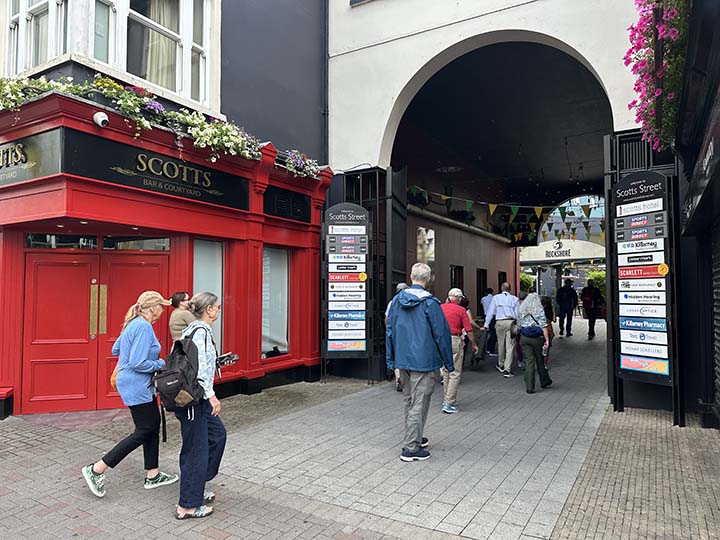
It's in here somewhere.
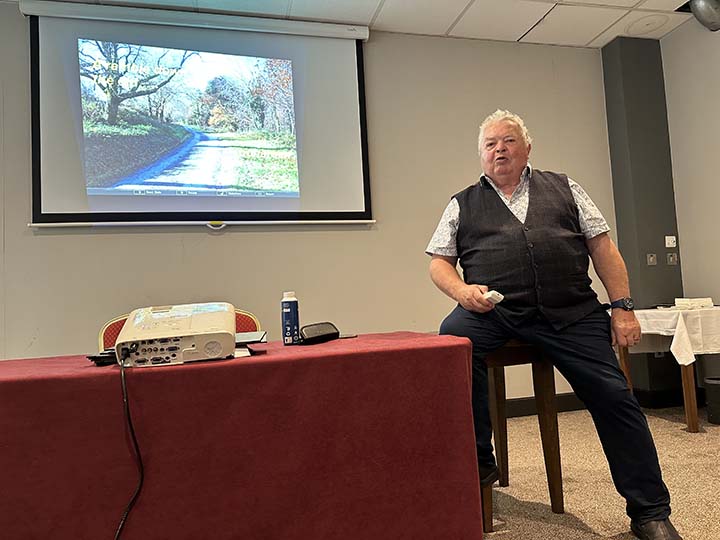
And here is Denis Kissane, our morning speaker.
He would be with us all day, providing a running commentary as we drove around the Ring of Kerry. Sure we understood him, accent and all.
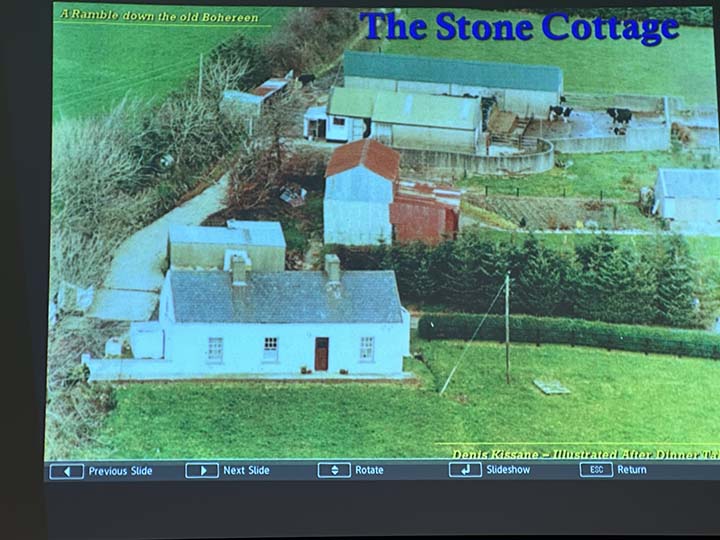
He told us about his life as a small boy growing up in the country in the 1950s. That stone cottage had no electricity or running water.
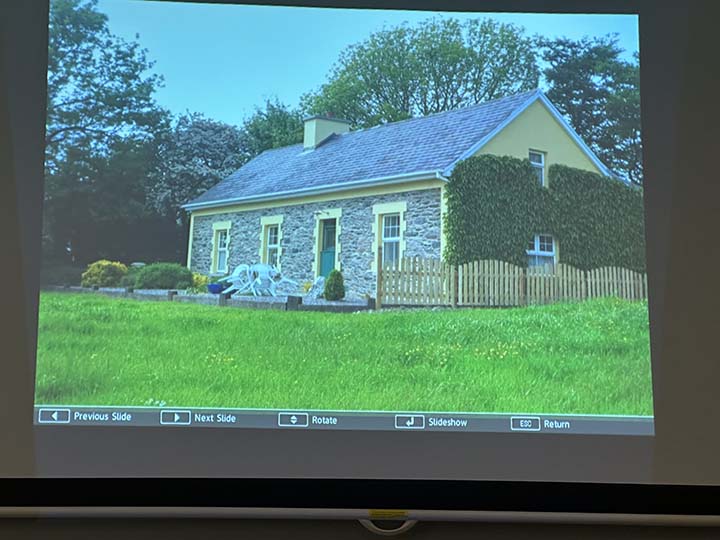
But here it is today, fixed up by his son and daughter-in-law.
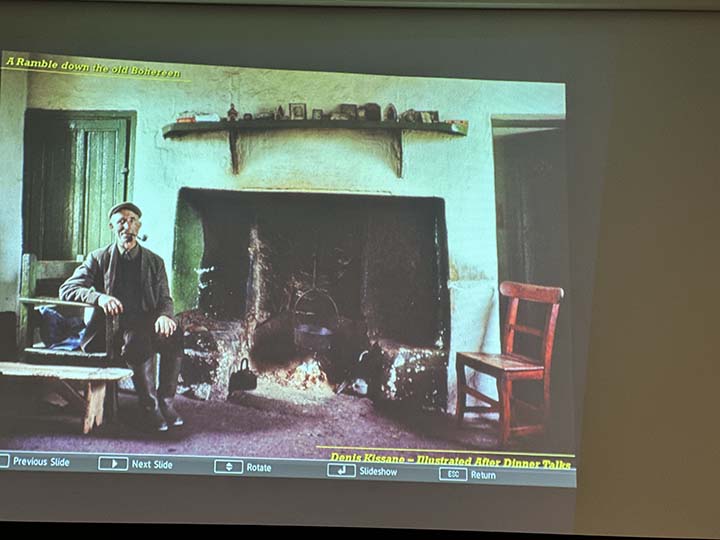
This was his father posing beside the cottage fireplace.
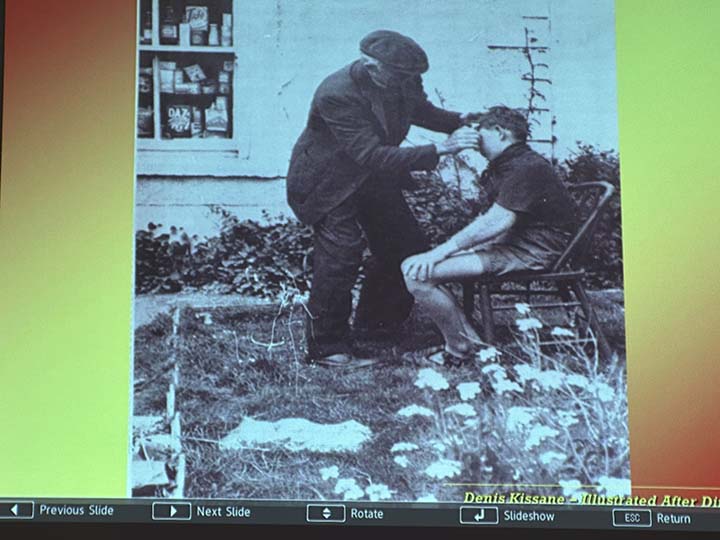
And this is his father, giving him a haircut. Apparently his father was not a skillful barber.
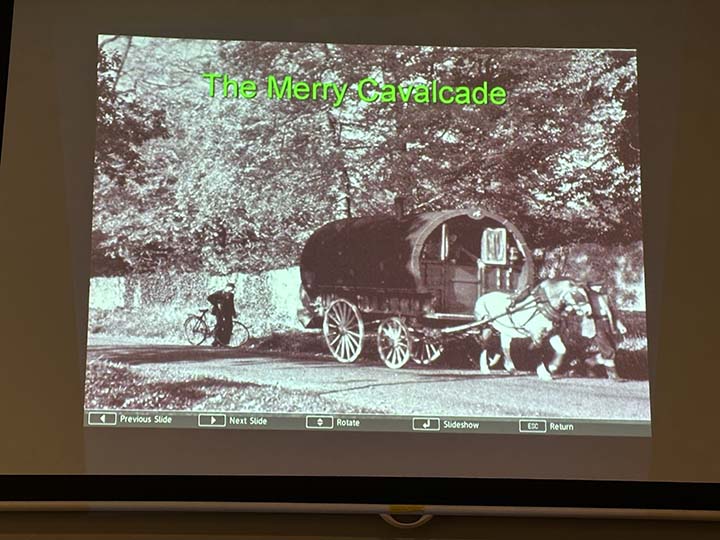
He said gypsies were a common sight.
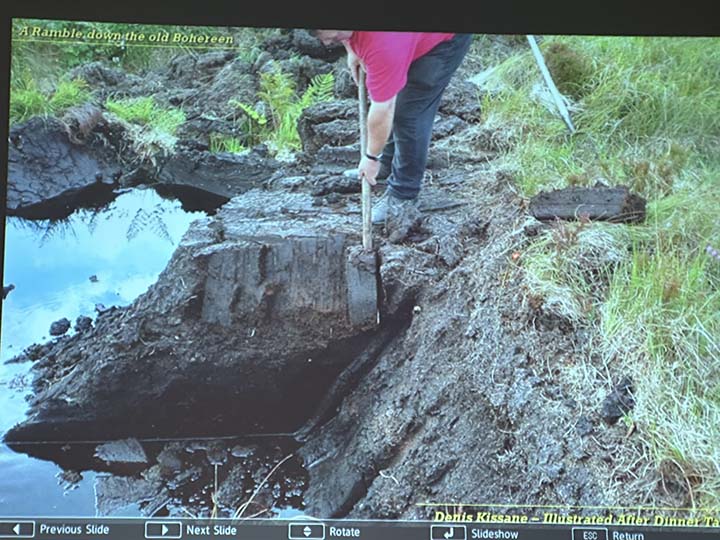
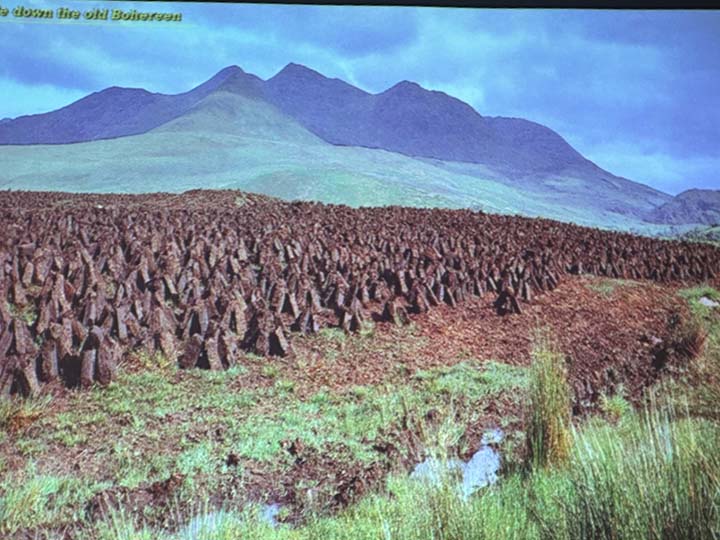
And he showed some pictures that better illustrated the art of digging peat for fuel.
Remember how we learned that when peat had been dug it was set out to dry in the summer sun? This is what it looked like.
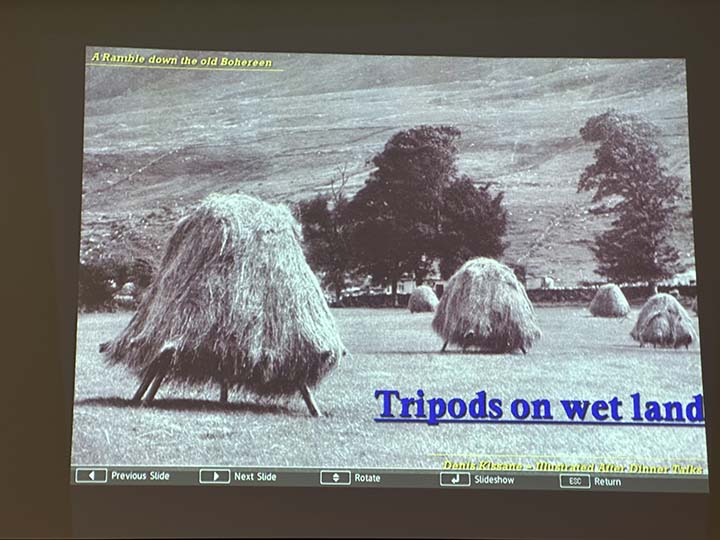
But it's best not to set haystacks directly on the wet ground.
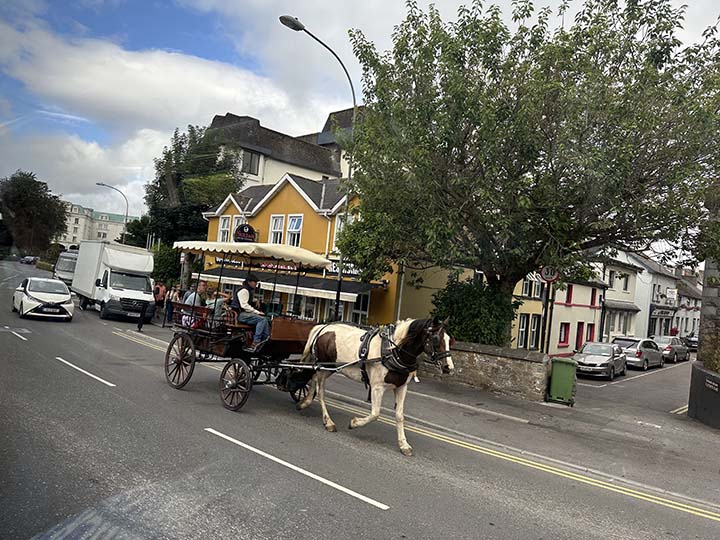
Now we've hit the road with Denis as our guide. First thing we see is Killarney tourists taking a wagon ride.
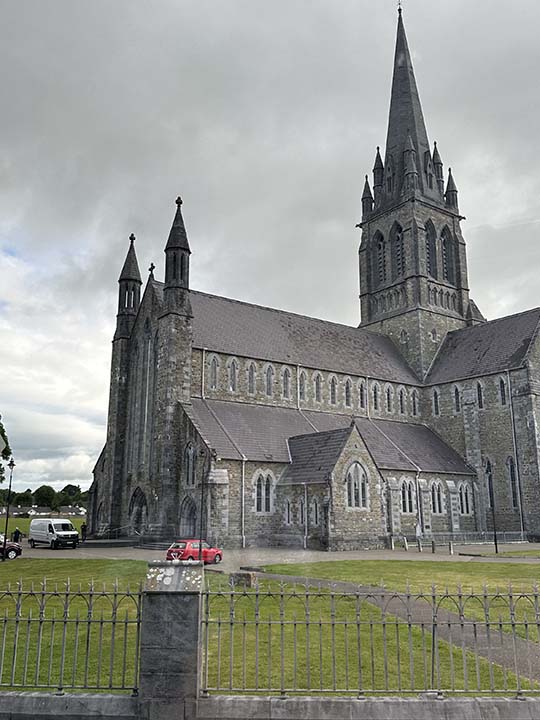
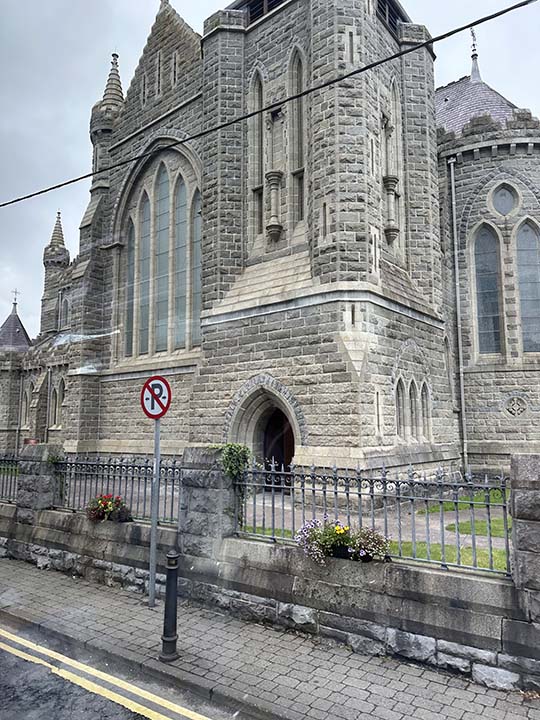
According to Google Lens that's St. Mary's Cathedral, located on New Street, Killarney, County Kerry, Ireland. Not sure why I snapped a picture, but it is a pretty church so there you go.
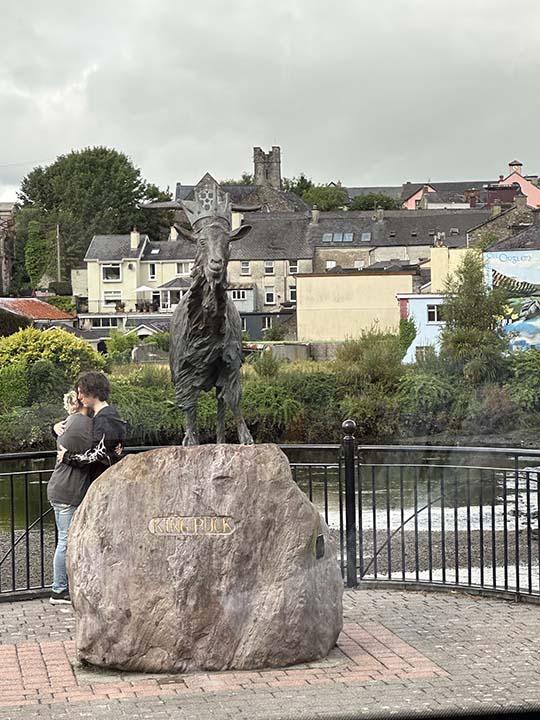
In addition to the affectionate
couple in this photo, there’s a bronze statue of a goat. We saw this
as we were passing through the town of Killorglin where very year a
group of people go up into the MacGillycuddy's Reeks mountain range
and catch a feral goat. The goat is brought back to the town and the
"Queen of Puck", traditionally a young schoolgirl from one of the
local primary schools, crowns the goat "King Puck". The goat is then
put into a small cage on a high stand for three days, and on the
third day of the fair, he is brought down to be led back to the
mountains.
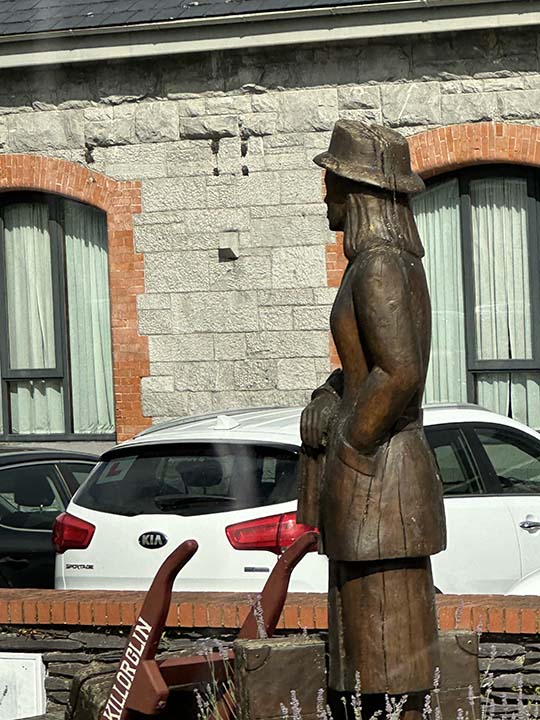
Another statue in town showed a young woman dressed for travel and pushing a cart full of suitcases. She is emigrating to America. The loss of young people to America and even to big Irish cities is a recurring theme around here. One tradition was the “American wake“ in which a funeral wake would be held for those who were leaving and would never return.
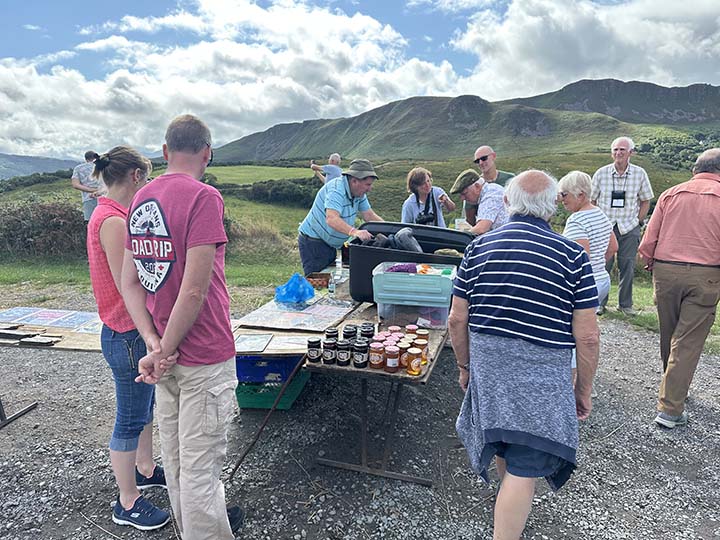
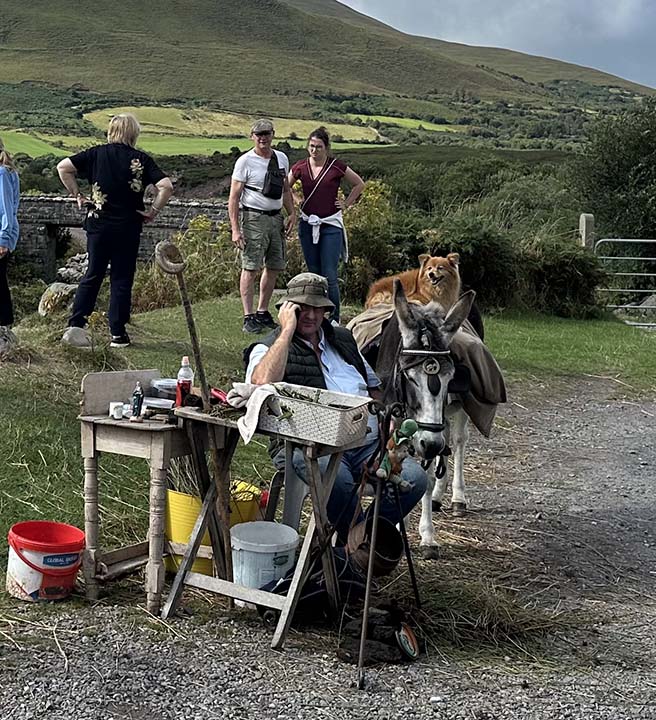
We stopped along the way to visit a roadside market.
Any market with a dog riding the back of a donkey has to be a good market.
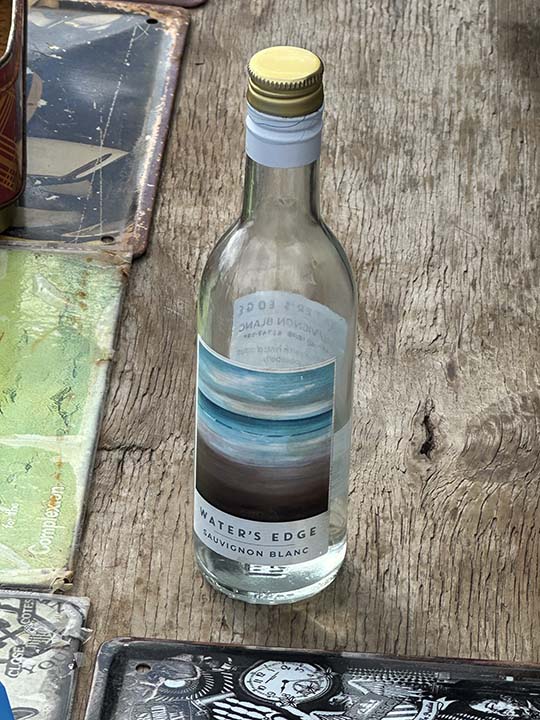
There's moonshine in that wine bottle. I tasted it. Wow...but no thanks.
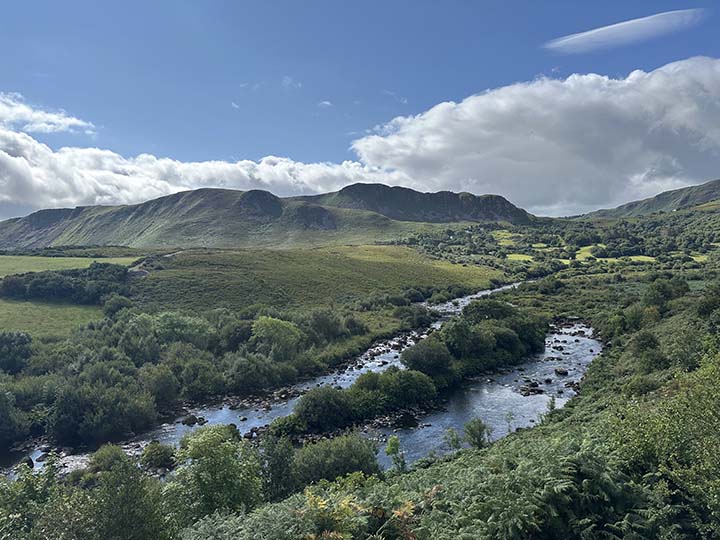
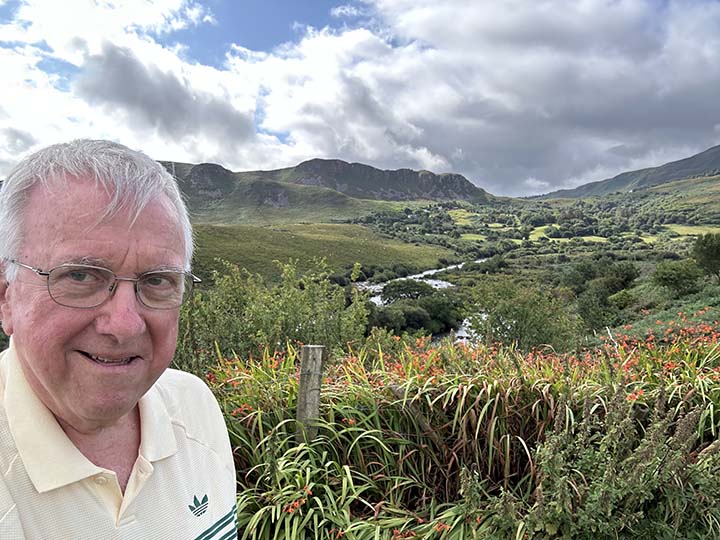
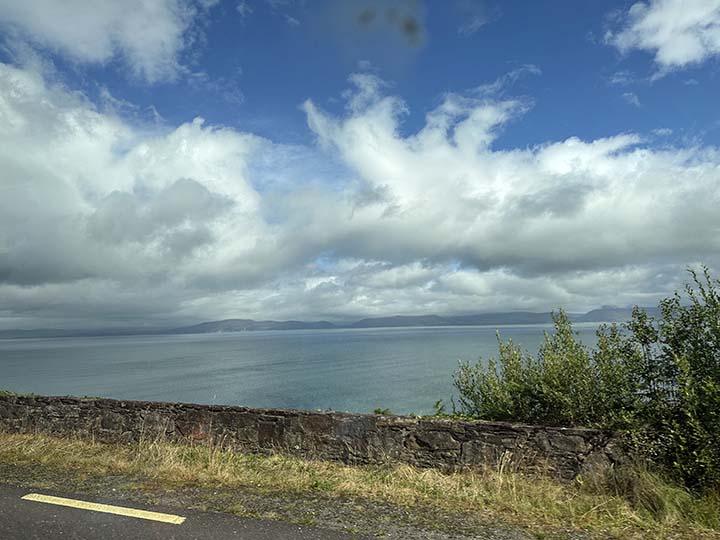
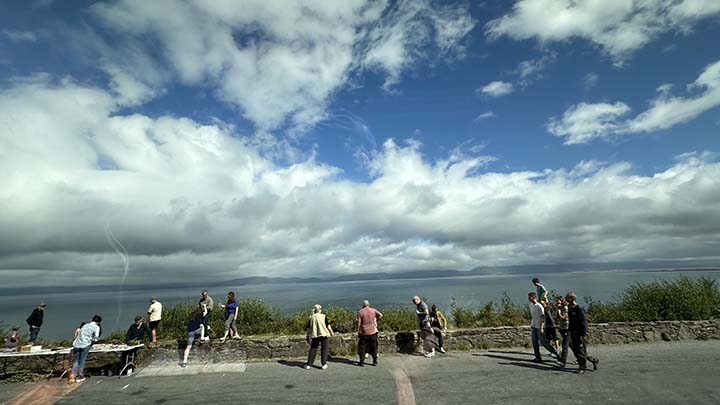
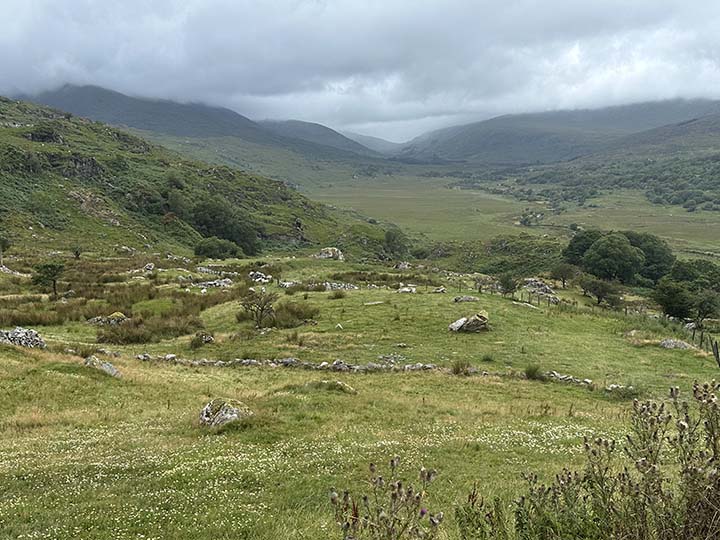
The view was pretty wow too.
This was a great break in the bus ride.
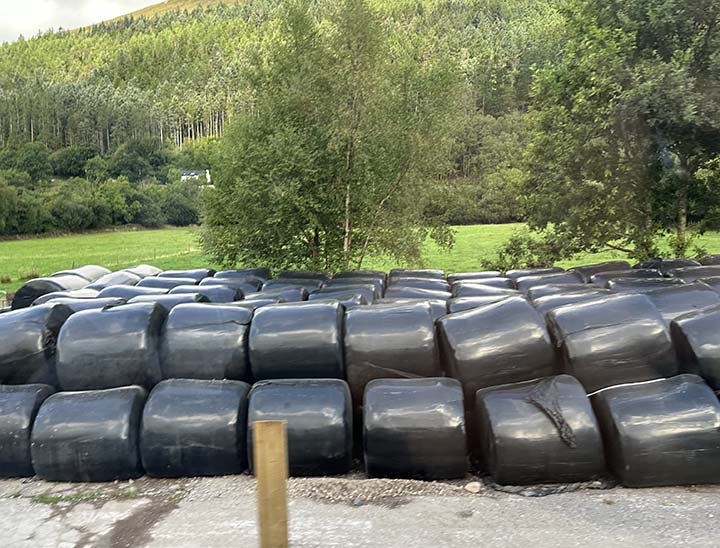
It’s hard to make hay in Ireland. The problem is that when you cut the grass, it rains the next day and the next day and pretty soon the grass you have cut just rots in the field. So farmers have learned to wrap the wet grass tight in black plastic so the air can’t get inside, making the grass ferment into silage. Cows just love fermented grass. But as both Brendan and Denis mentioned, blackbirds like it too and they've learned to peck holes in those big black bags which ruins the silage. Brendan said the farmers are trying different colored plastic to fool the birds. My guess is that the birds will figure that out.
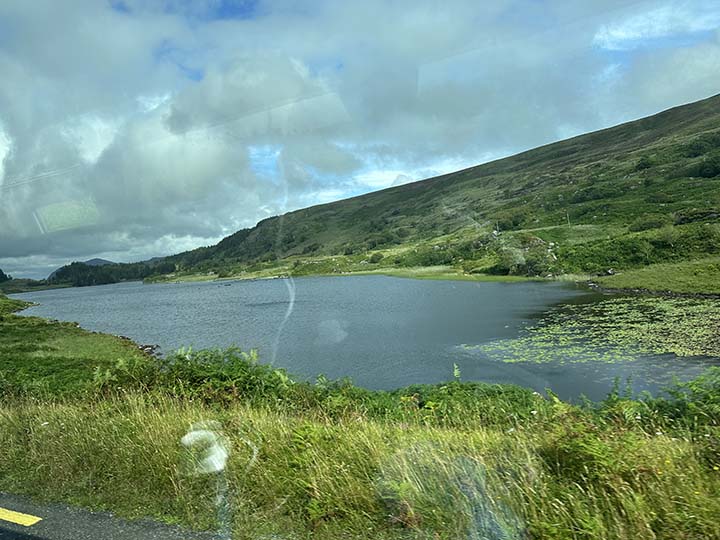
So we're driving around the "Ring of Kerry." What's that, you ask? The Ring of Kerry is a famous 179-kilometer (111-mile) circular scenic driving route in County Kerry, southwestern Ireland, that loops around the rugged Iveragh Peninsula. The full loop takes about 2.5 to 3.5 hours of continuous driving, but it is best enjoyed as a full-day or two-day trip. The route traditionally begins and ends in the vibrant town of Killarney. Driving clockwise helps you move opposite to most large tour buses, though roads are narrow and require care when passing. Along the way are 1) Killarney National Park: Home to historic sites like Ross Castle, Muckross House & Gardens, and the stunning panoramic viewpoint at Ladies View. 2) Moll's Gap: A dramatic mountain pass offering sweeping views of the MacGillycuddy's Reeks range. 3) The Skellig Ring & Kerry Cliffs: A worthwhile coastal detour offering views of towering 1,000-foot sea cliffs and proximity to boat trips toward Skellig Michael. 4) Charming Towns: Scenic stops along the way include Kenmare, Sneem, Waterville, and Cahersiveen.
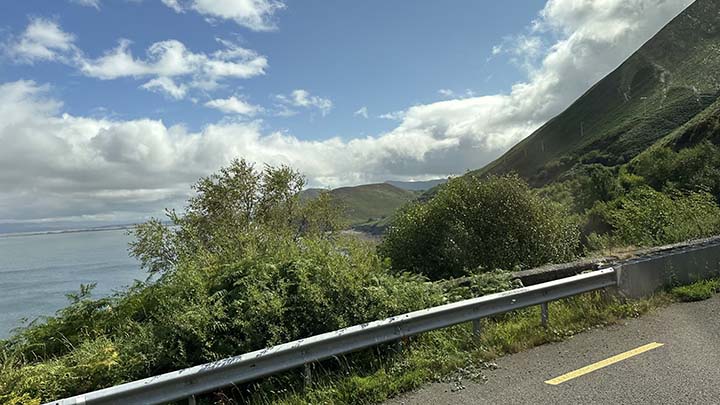
So will the drive be scenic? Let's see.
Plenty of people seem to think so.
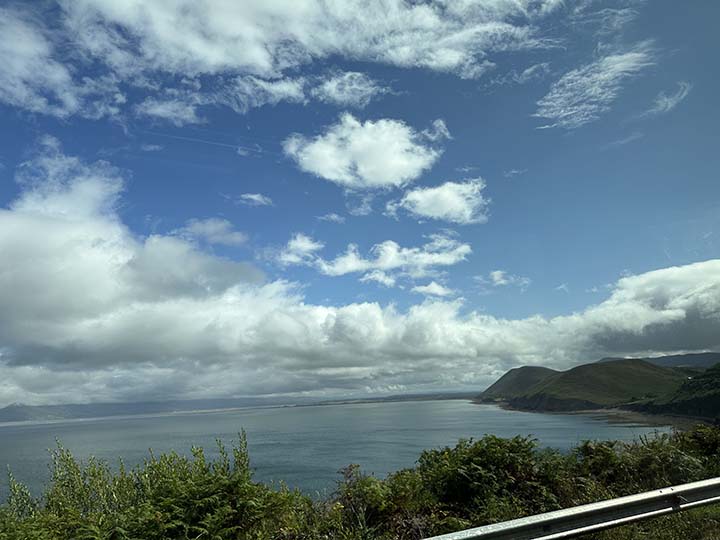
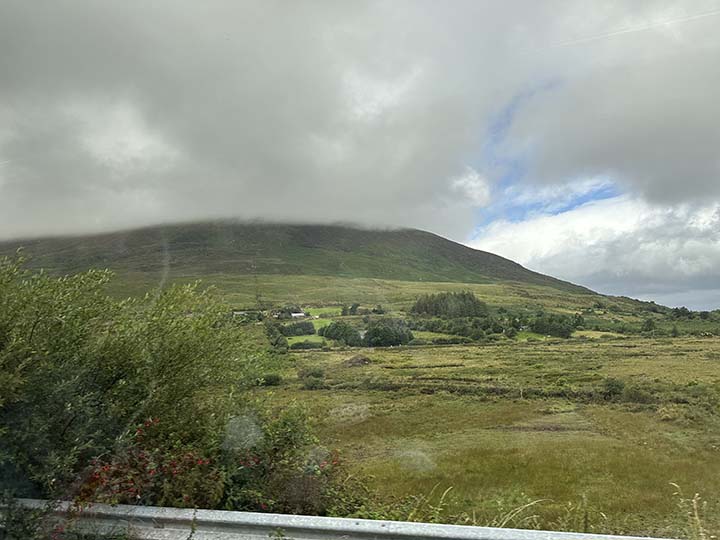
Looks pretty scenic to me.
Yep, scenic all right.
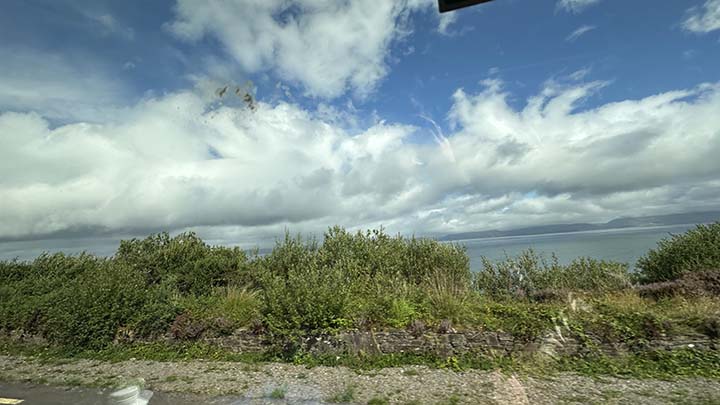
Even from a bus.
Even on a cloudy day.
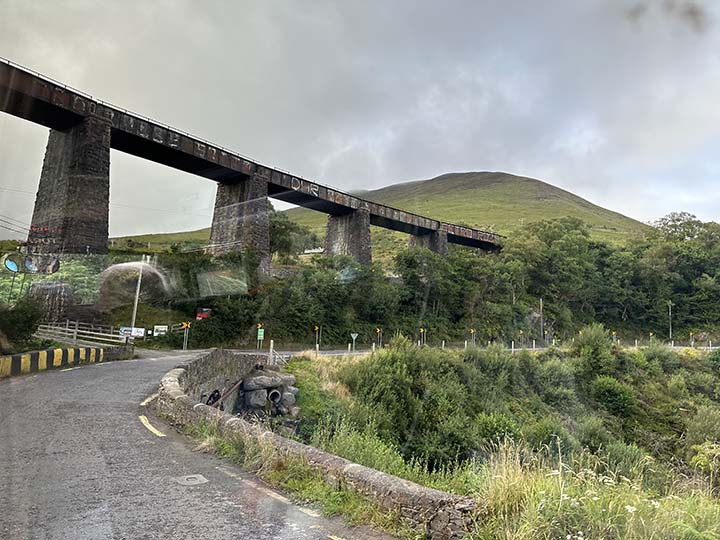
There's even a scenic bridge.
Wonderful. A potty break.
And then back to the scenic views from the bus.
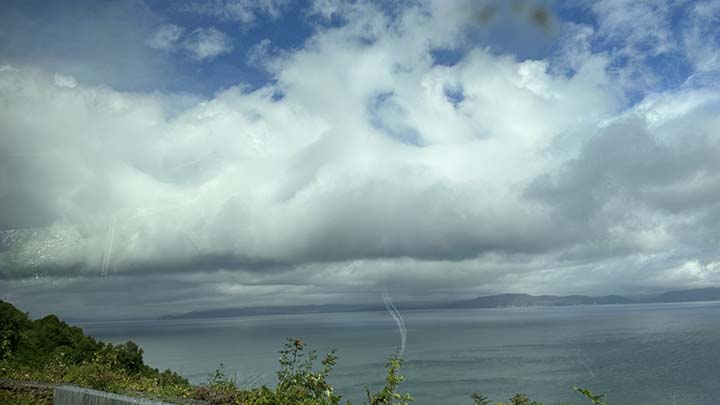
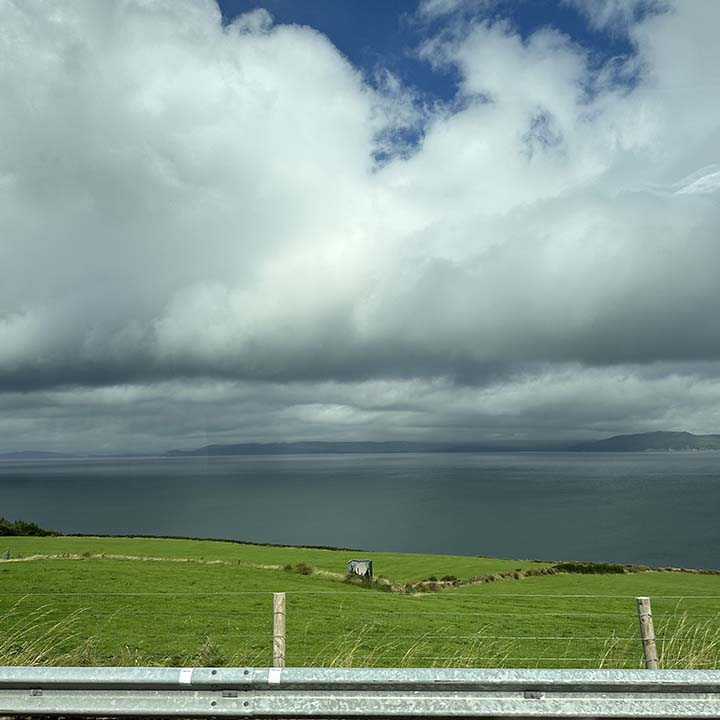
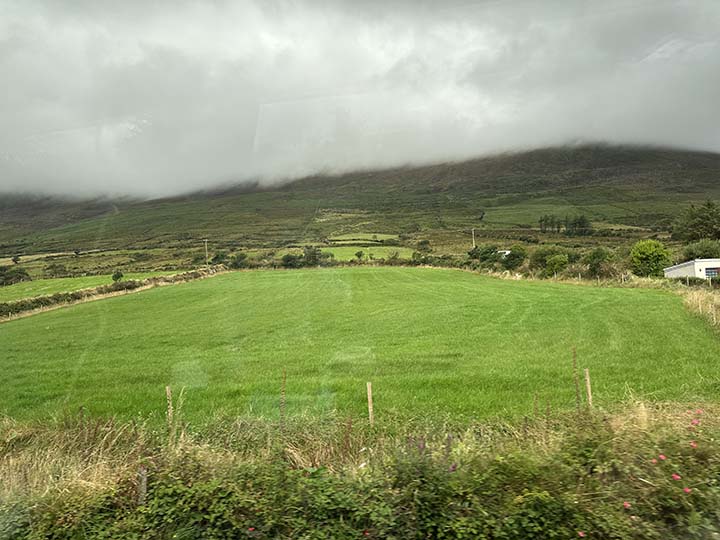
Those clouds are obstructing my scenic view.
That's the Daniel O'Connell Memorial Church, formally known as the Church of the Holy Cross, is a prominent Gothic Revival Catholic church located on O'Connell Street in the center of Cahersiveen, County Kerry, Ireland. It is the only parish church in Ireland—and one of the very few Catholic churches globally—named in honor of a layperson, Irish political leader and "The Liberator" Daniel O'Connell (born near Cahersiveen in 1775). I snapped a picture as we drove past.
After lots and lots more beautiful, we arrived in the Seaside town of Waterville Beach.
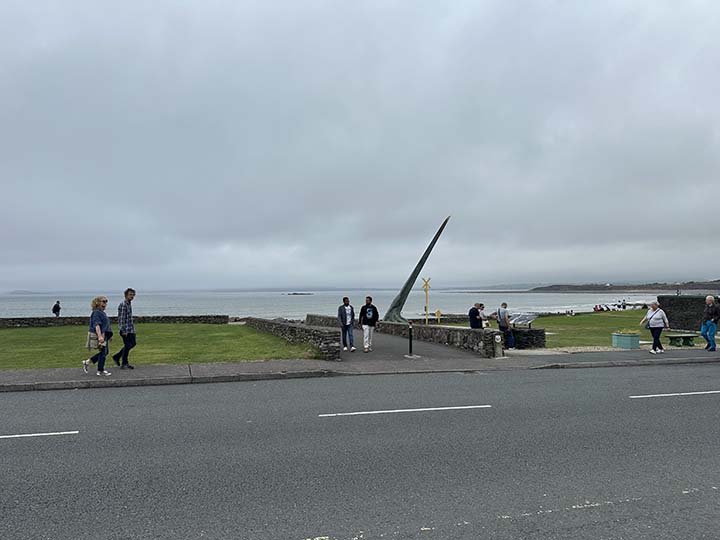
Nice park by the water.
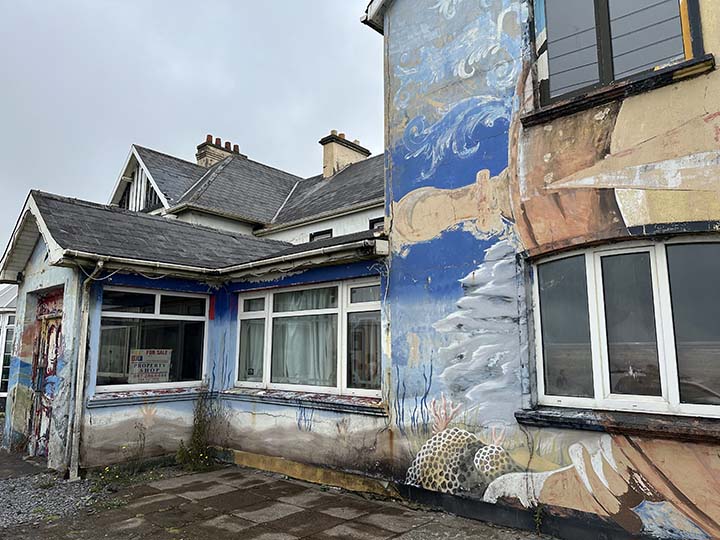
This area is facing hard times, and it’s sad to see many businesses boarded up like this.
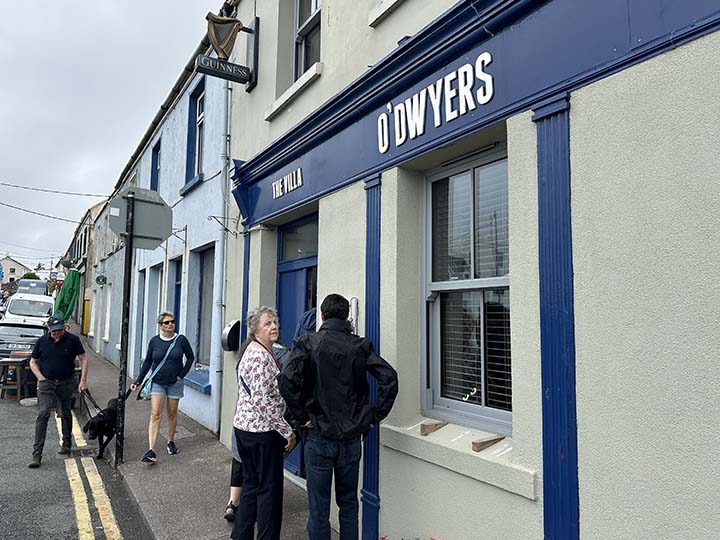
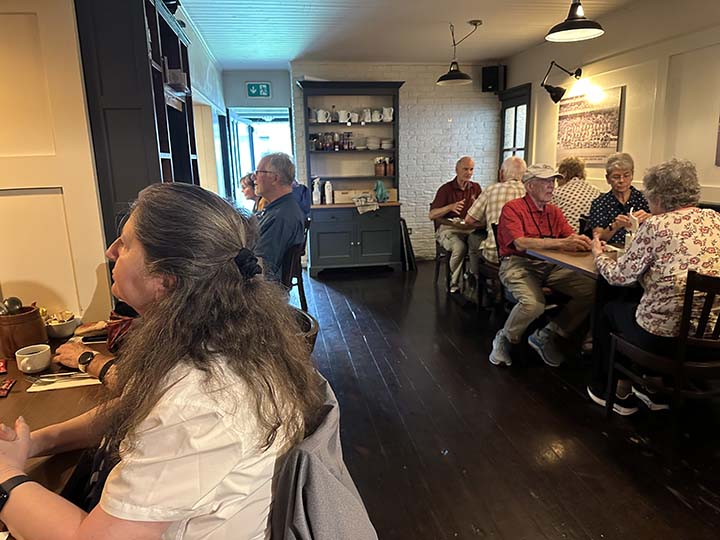
Well, this one at least is still open, so let’s have lunch.
It's a cozy little place.
And wouldn't you know a local Irish tenor dropped in on the Road Scholars to provide some luncheon entertainment.
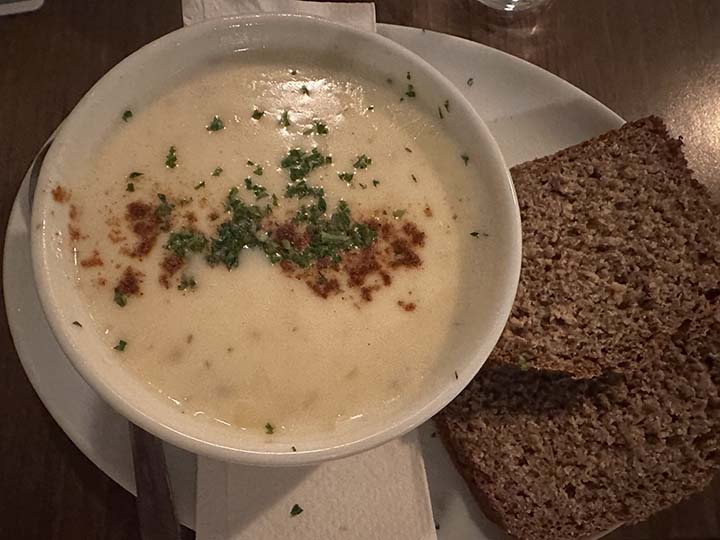
My bowl of seafood chowder was absolutely outstanding. No complaining about the food this time.
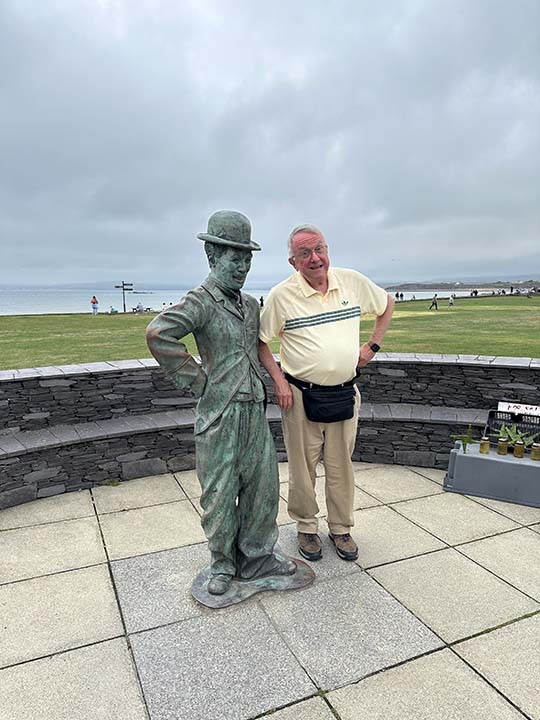
Charlie Chaplin lived in this little town for a while. He consented to pose with me.
And off we go again on our scenic drive around the Ring of Kerry.
Is it getting cloudier?
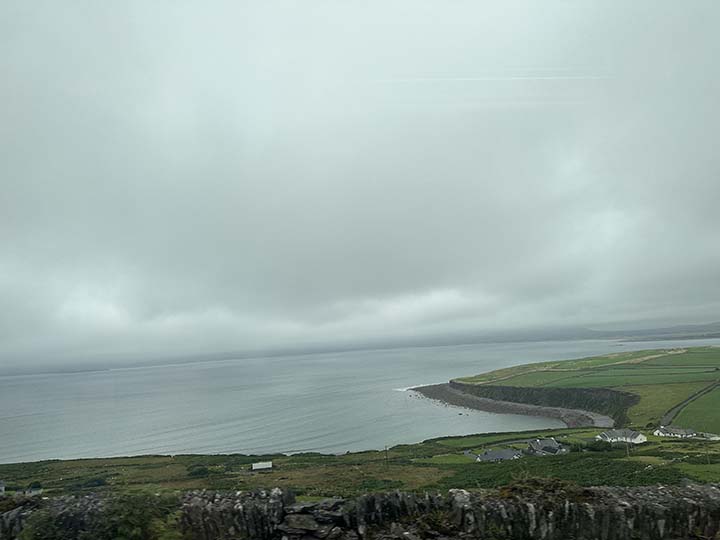
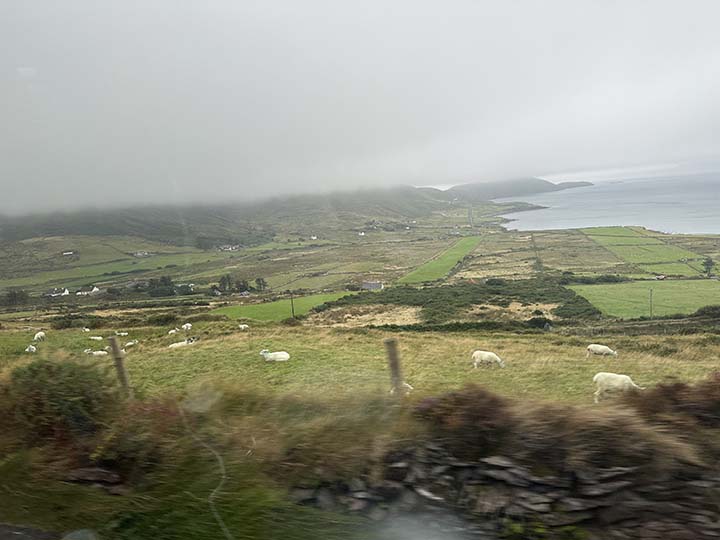
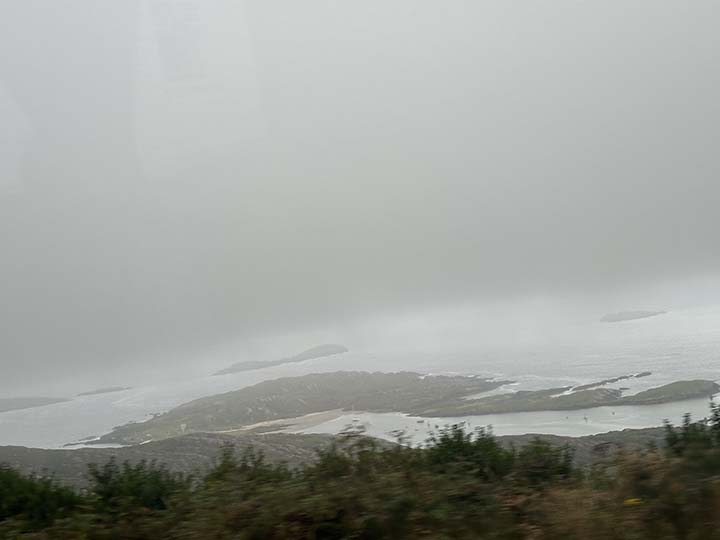
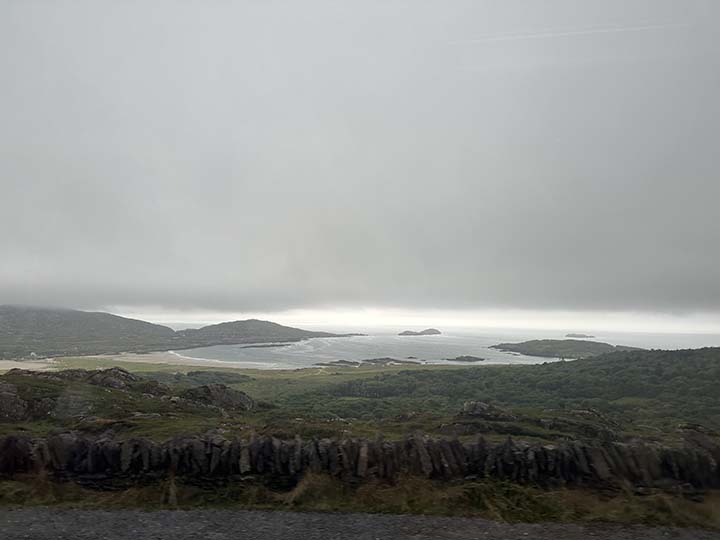
Just seconds before I snapped the shot out the window of the bus, we passed a sign that said “Ireland’s best known view.“ Denis was narrating and informed us that if it weren’t for the fog, we could see Skellig Michael” from here. That is a craggy Island that figured prominently in one of the Star Wars sequel movies. Can you see it? I think I can just make it out, maybe.
I bet the view of Skellig Michael would have been impressive, just like this.
Is that it, maybe? No, I think it was back there in the fog.
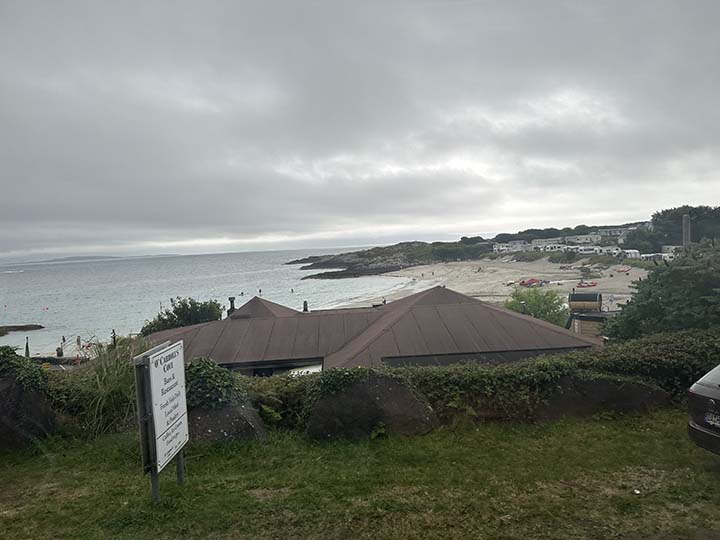
The Irish are a hardy race. It’s cool and cloudy and windy out there but still they go to the beach.
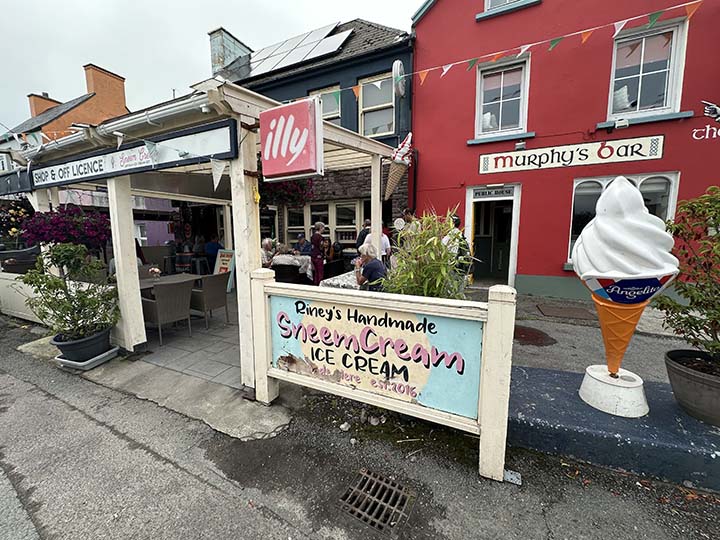
Oh boy! Ice cream!
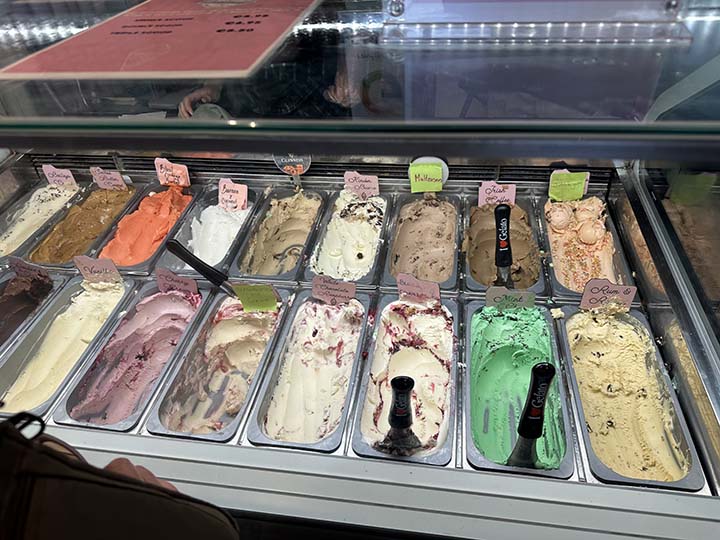
Lots to choose from.
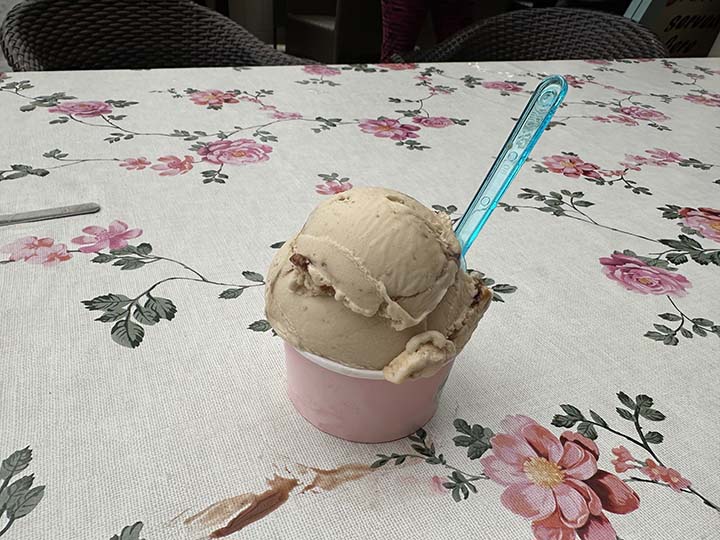
Guinness gelato. Pretty good!
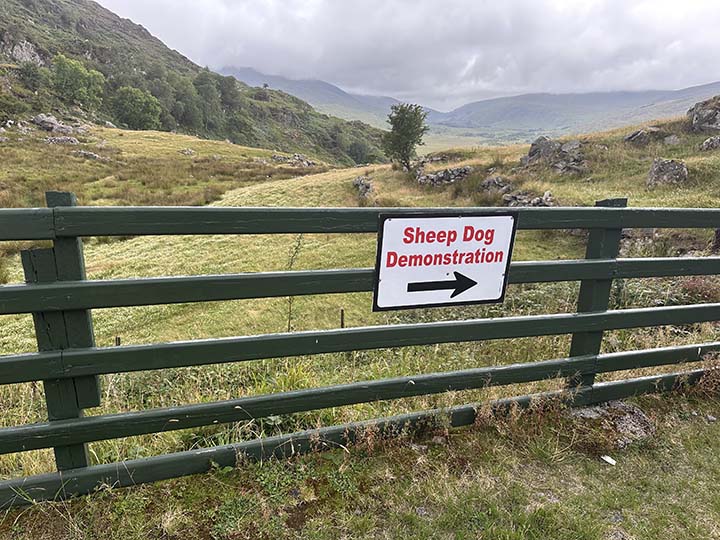
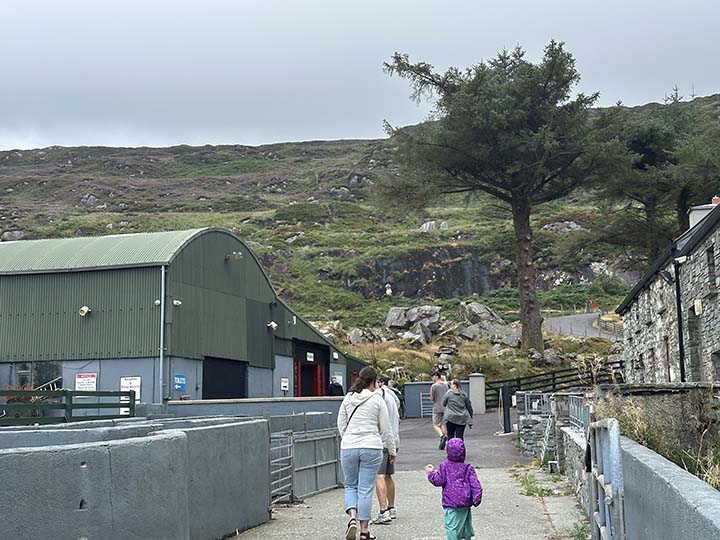
Well, this looks interesting. We have arrived at the Kissane Sheep Farm.
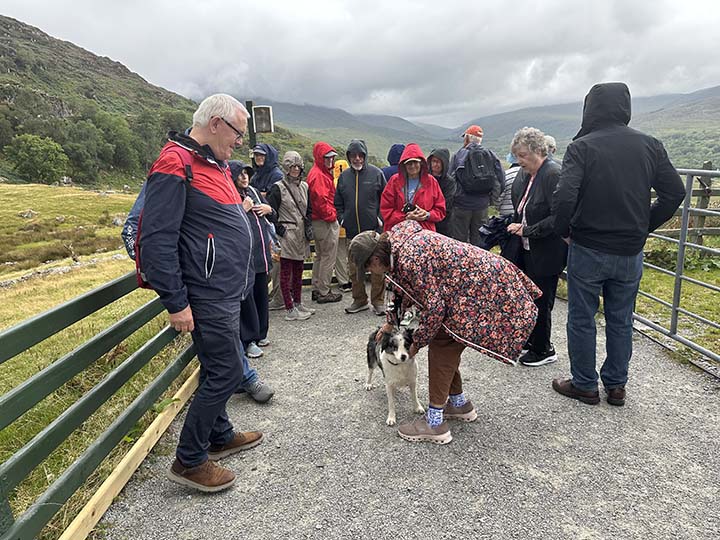
Mary has made a friend.
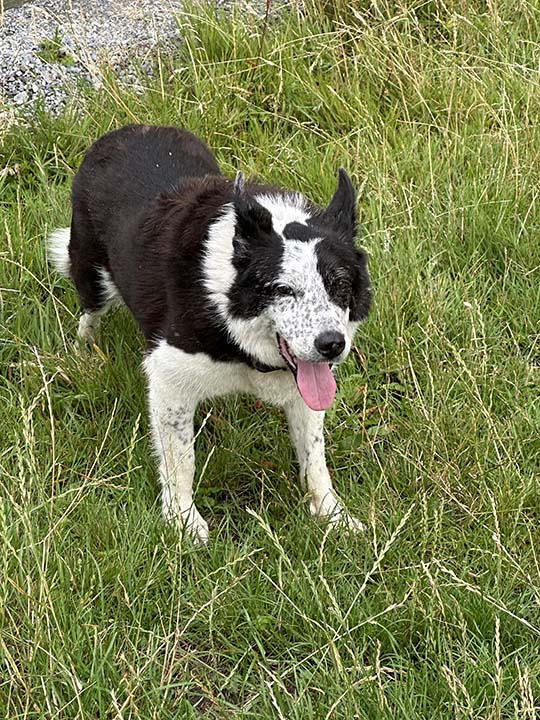
She’s a border collie, and she can’t wait to chase the sheep.
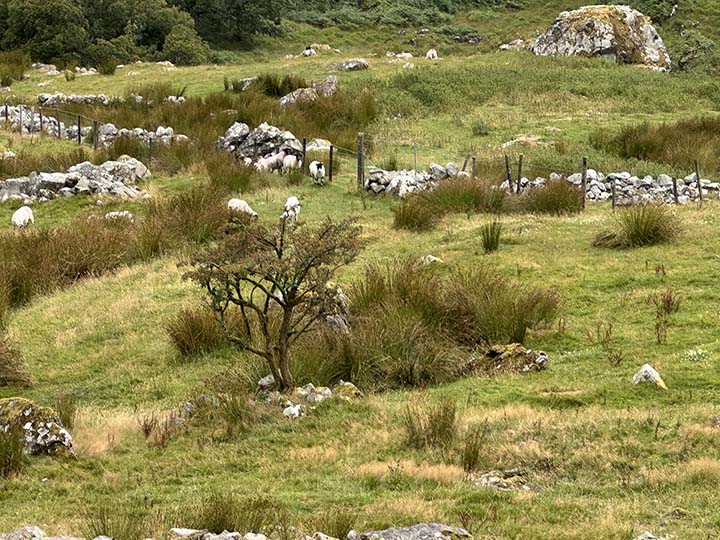
There are plenty of sheep out there.
Look closer...among the rocks.
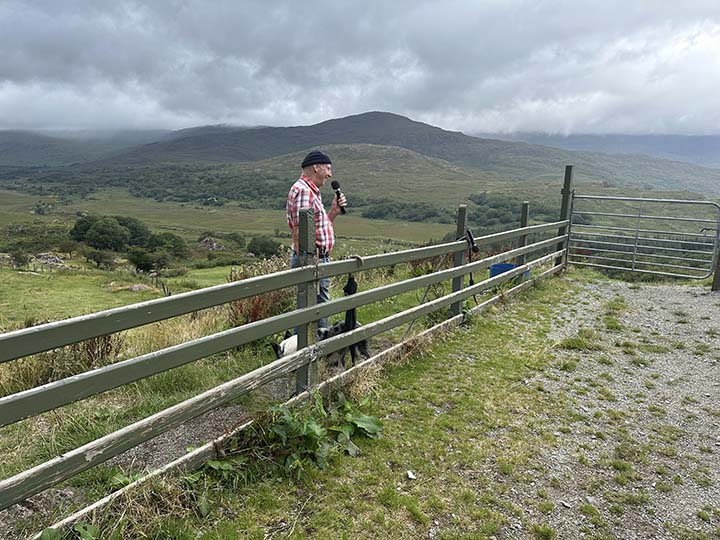
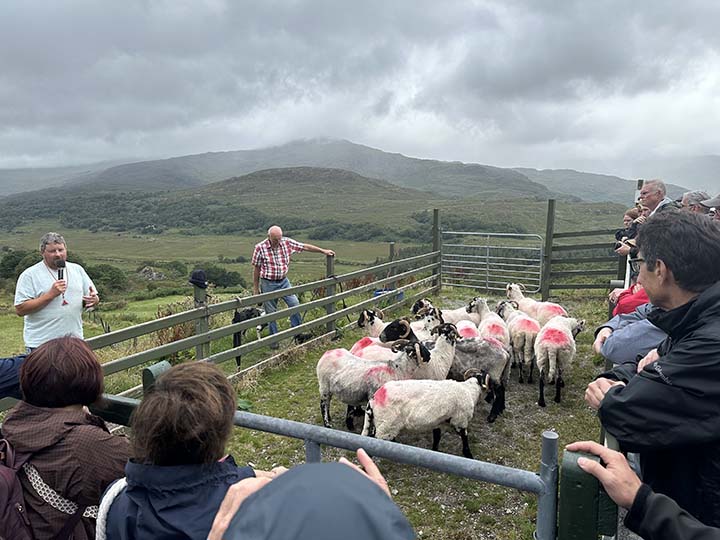
First we learn a little about the ranch.
Kissane
Sheep Farm is a traditional, working sheep farm with approximately
1000 mountain sheep and hundreds of lambs. The farm is run by John
and Anne Kissane, as it has been run by the family for the last 150
years. In May 2005, the farm was first opened for visitors to enjoy
and to learn about sheep farming in Ireland. Many groups and
individuals have since visited the farm enjoying its activities.
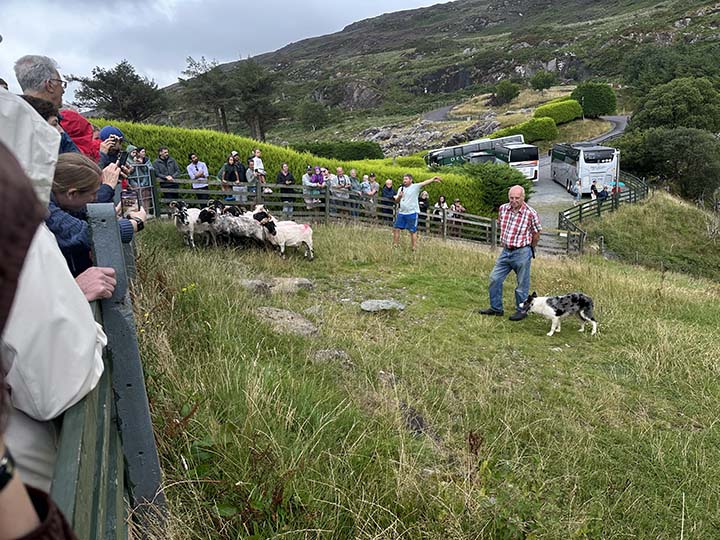
Just look at that dog go.
And now all the sheep have been herded into a group.
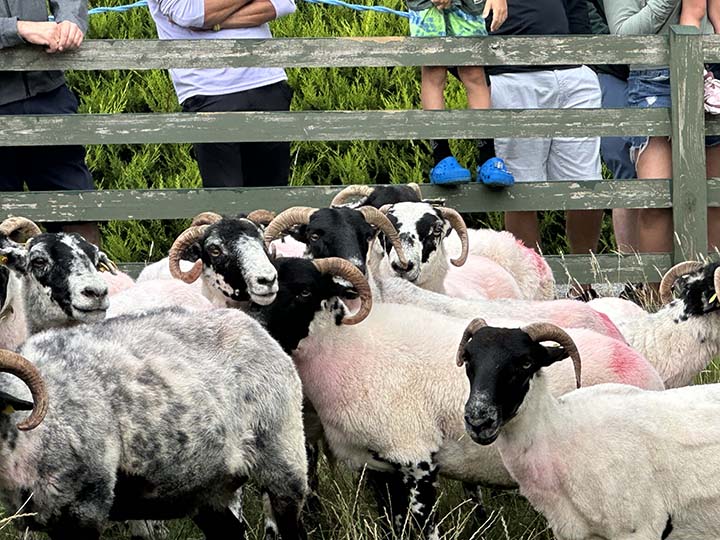
I say this bunch is not smart enough to be sheep detectives.
Uh oh, she heard me.
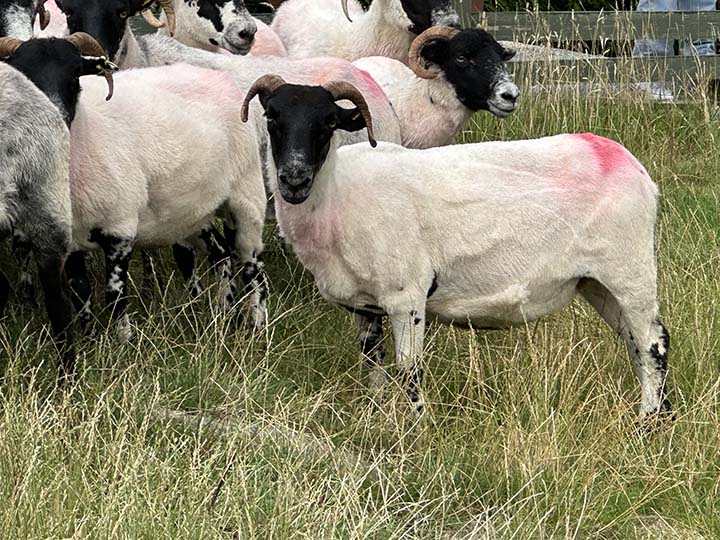
It must be humiliating to be identified only by your red butt.
Lets go see how the sheep get shorn.
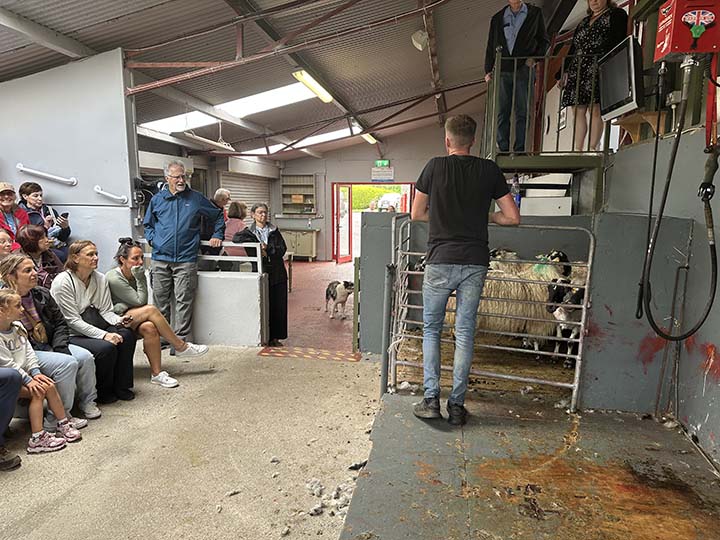
That guy in the black shirt is the expert.
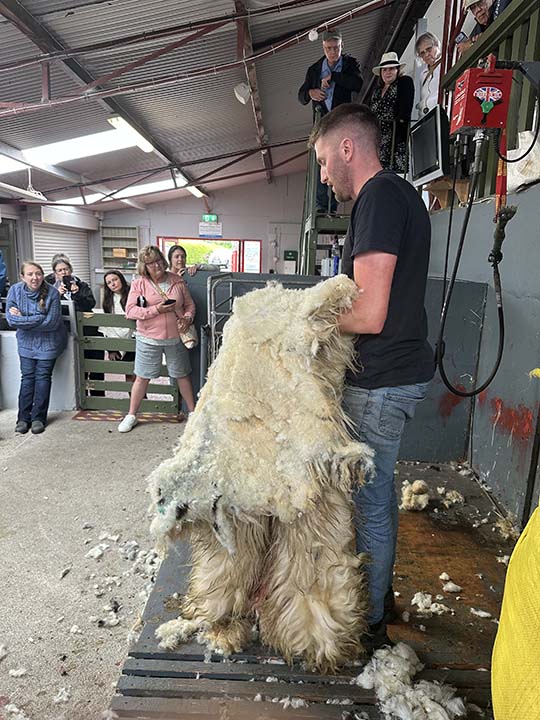
He's showing us how it's done. He says he keeps the sheep calm by pressing the right pressure points. Pretty amazing, if you ask me.
Yes sir, yes sir, three bags full.
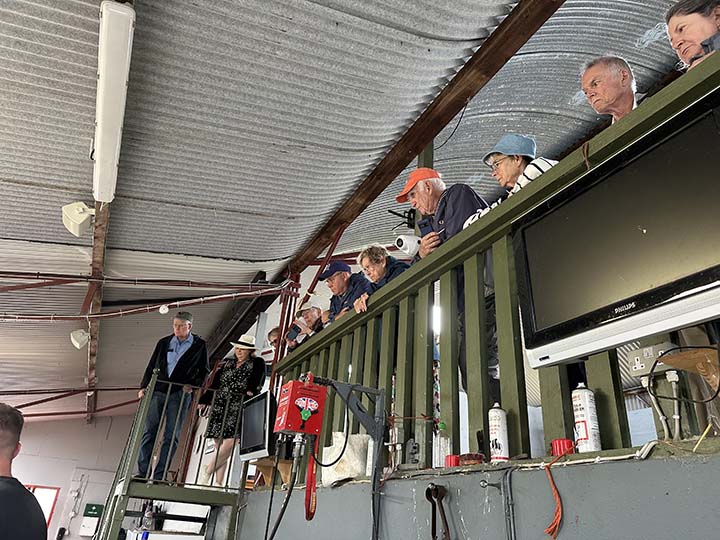
The Road Scholars pay rapt attention.
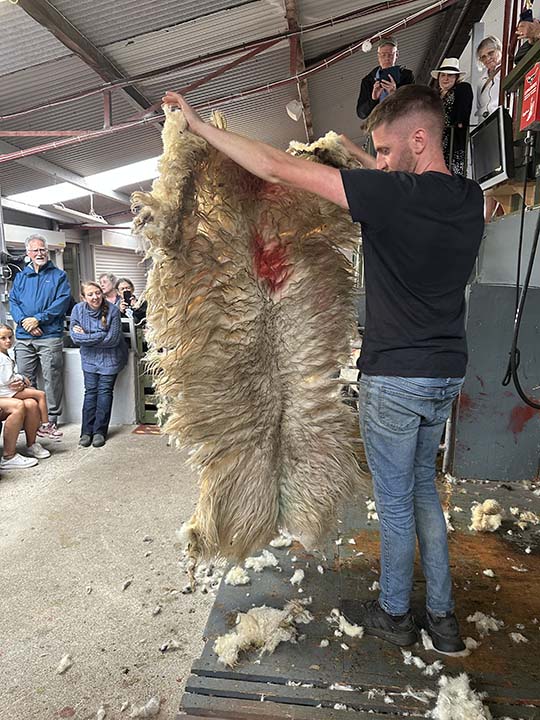
Now that is the sign of a superior sheep shearer. Even the red butt is intact.
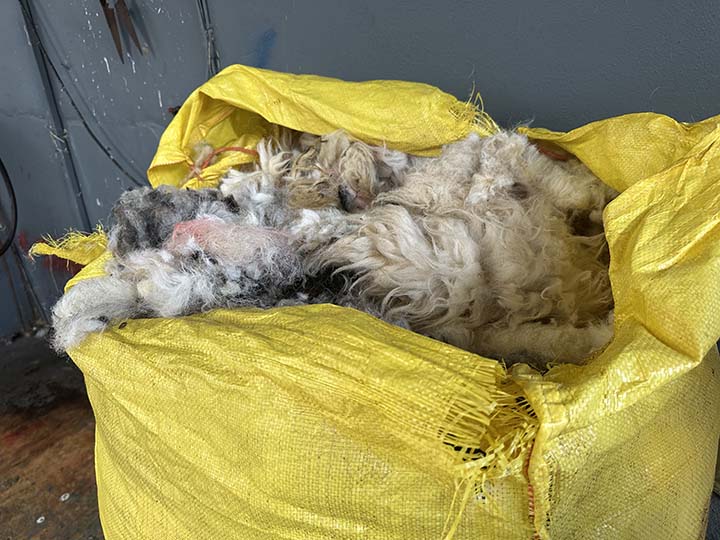
The wool from these particular sheep was once highly valued. Their wool is coarse, but it was widely used for army blankets and other things. These days man-made fibers are being used, and this wool is no longer needed for anything. The value of that slab of wool is about $.30. That’s right thirty cents. And keep in mind that sheep can’t be allowed to grow their wool unchecked. It must be cut off about twice a year. And if you want to pay somebody to shear a sheep, it will cost you close to three dollars. That’s why so many Irish sheep farmers are selling their farms. This farm is still successful because it is putting on shows for tourists. And it was quite a show. Something you probably don't see every day.
Back on the bus for more scenic sights.
Are we separating scenic sights by gender now?
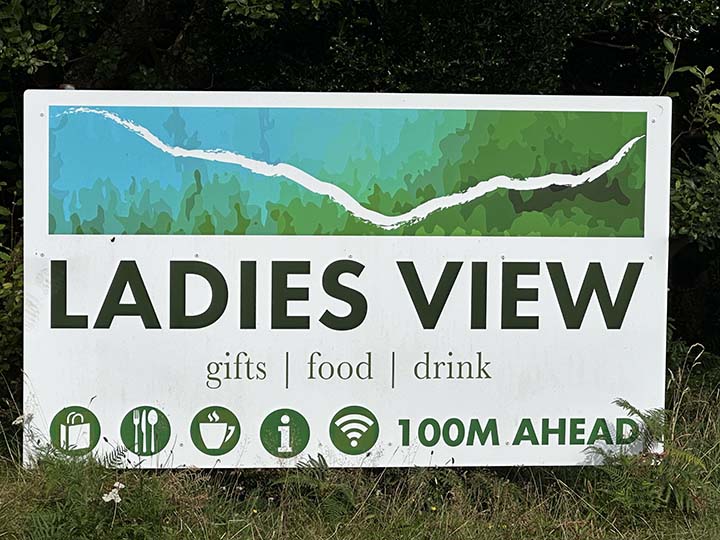
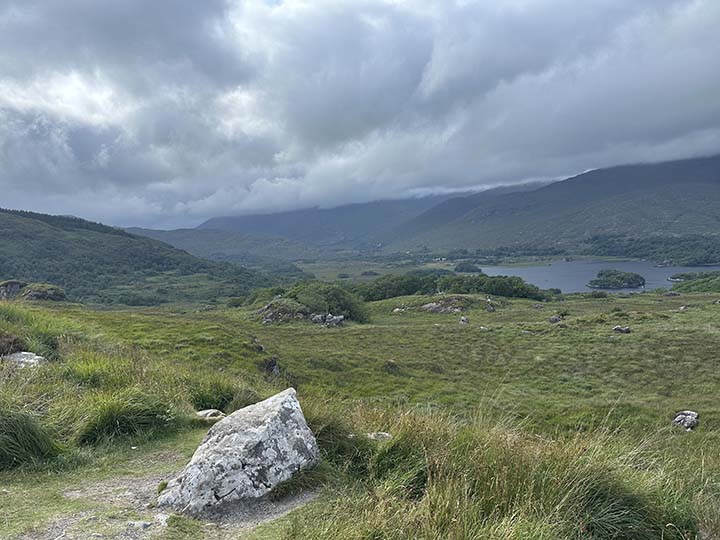
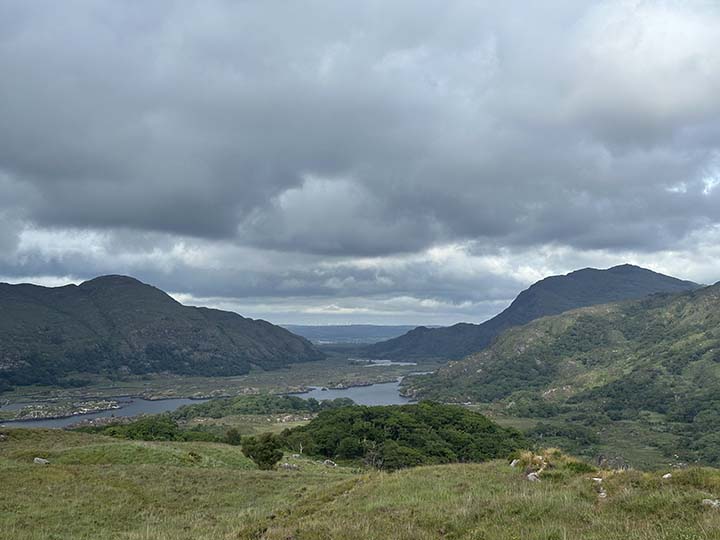
Ladies View is a scenic viewpoint on the Ring of Kerry tourist route about 19 kilometers (12 miles) from Killarney along the N71 road to Kenmare, in the Killarney National Park. The Irish Times ranked Ladies View as one of the most photographed places in Ireland, while the Daily Edge ranked the views amongst Ireland's finest on Instagram.
The name Ladies View (sometimes spelled Ladies' View), stems from the admiration of the view given by Queen Victoria's ladies-in-waiting during Victoria's 1861 visit to Ireland.
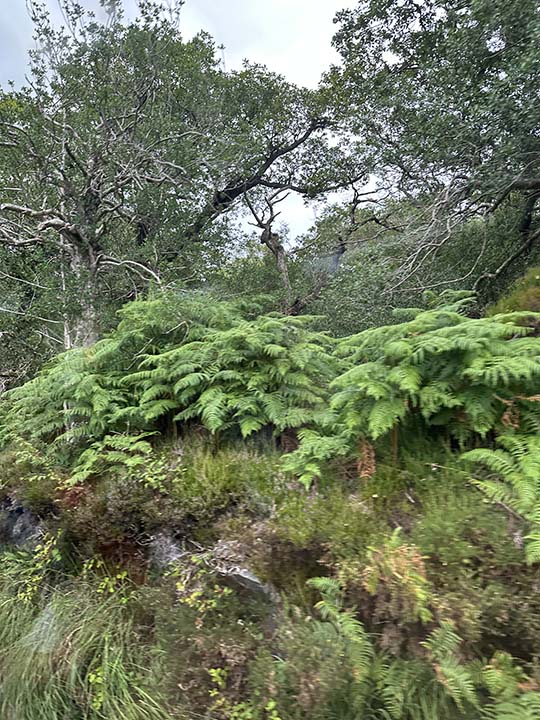
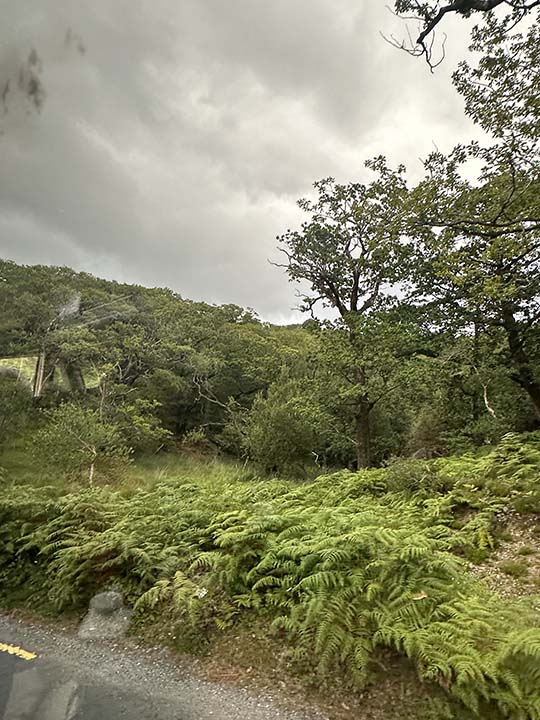
Denis said that Ireland was once covered by dense forest but that humans cut it all away except for small areas like this.
Killarney National Park is Ireland's
oldest national park, covering over 10,000 hectares (25,000 acres)
of mountains, lakes, and ancient oak and yew woodlands in County
Kerry.
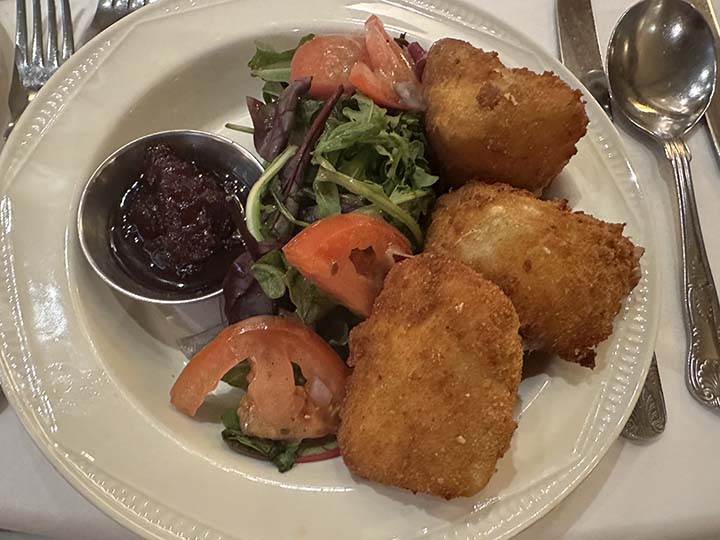
And now for dinner at the hotel. Those fried cheese things were pretty good when dipped in that sauce.
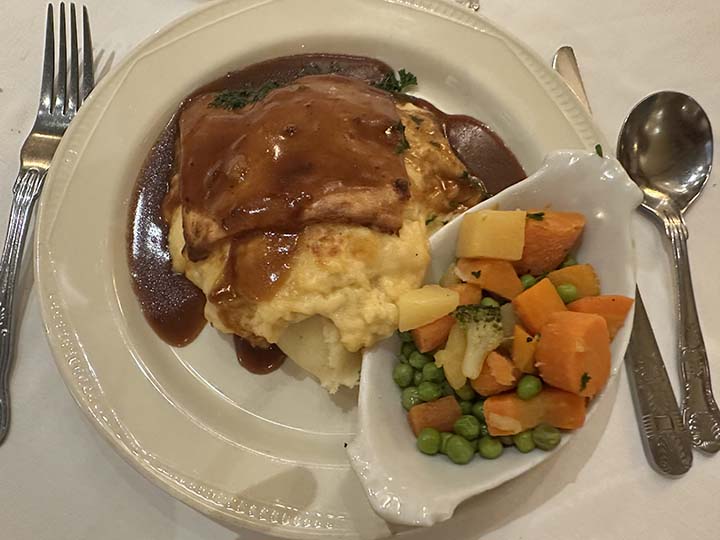
The main course was a lump of mashed potatoes crowned with a slab of some kind of meat with brown gravy and a dish of carrots and peas. Where have we seen this before? It was every bit as good as it looks.
|