|
Clouds, of course, but no rain today and even an occasional glimpse of blue sky!
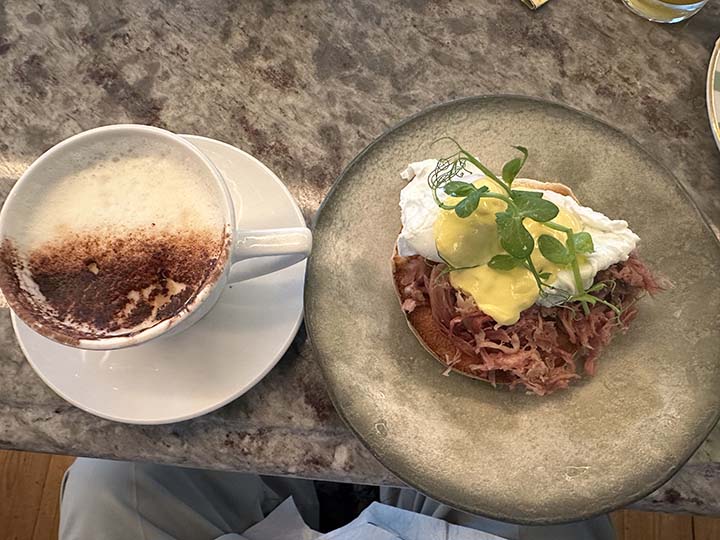
I slept late this morning. 7:30 AM. What a treat! And when I went downstairs I found the hotel offered an outstanding breakfast menu. That cappuccino was great and even the eggs benedict were good enough in spite of whatever meat that was. Looks good, though.
I'm on my own for a morning walk. Let's see what Cork has to offer.
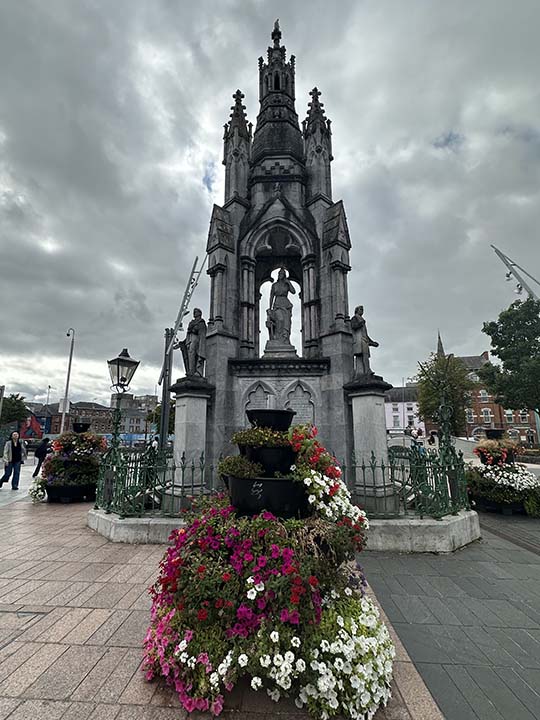
That’s a memorial to those who gave their lives for Irish independence.
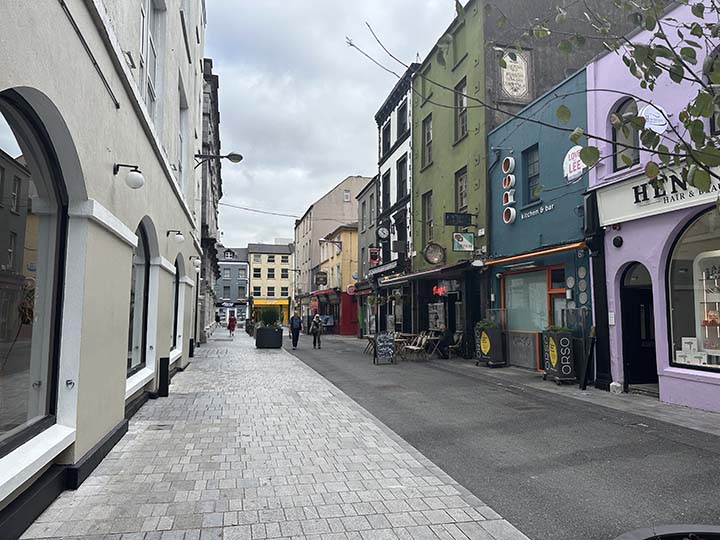
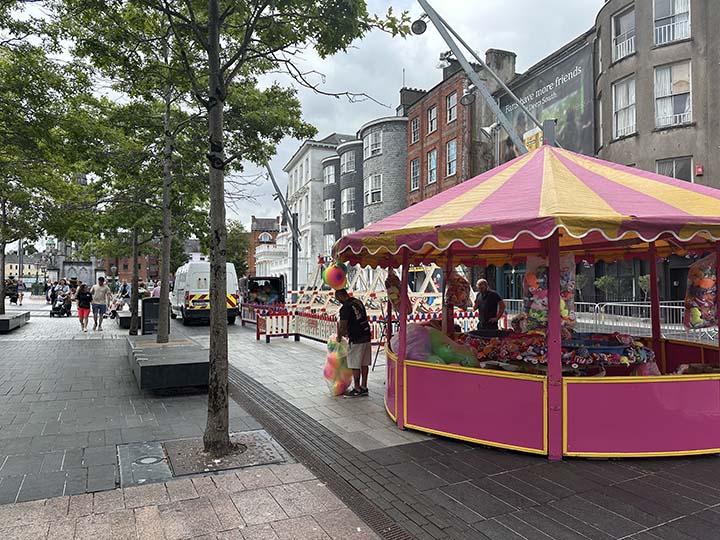
And here's a street fair!
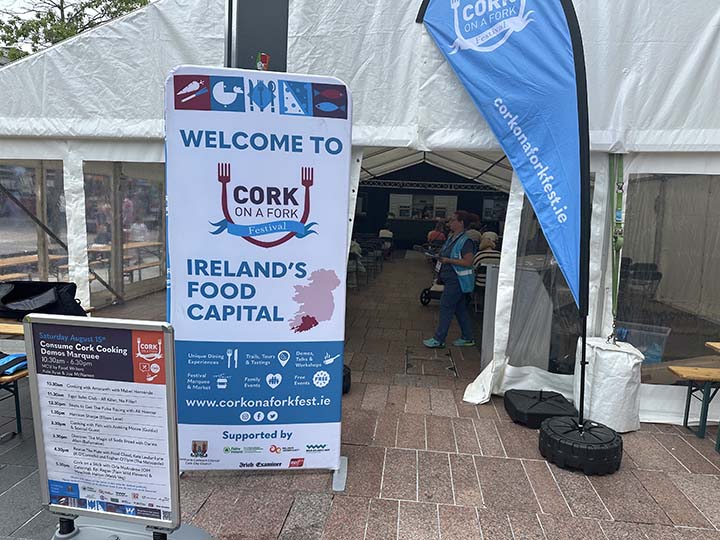
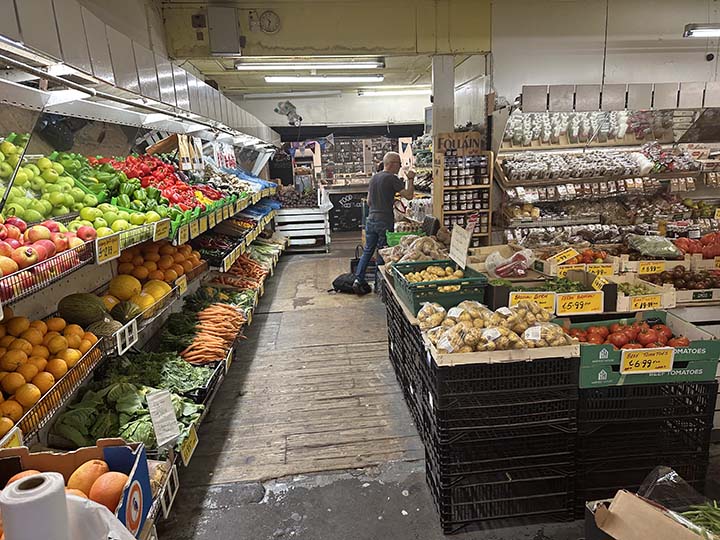
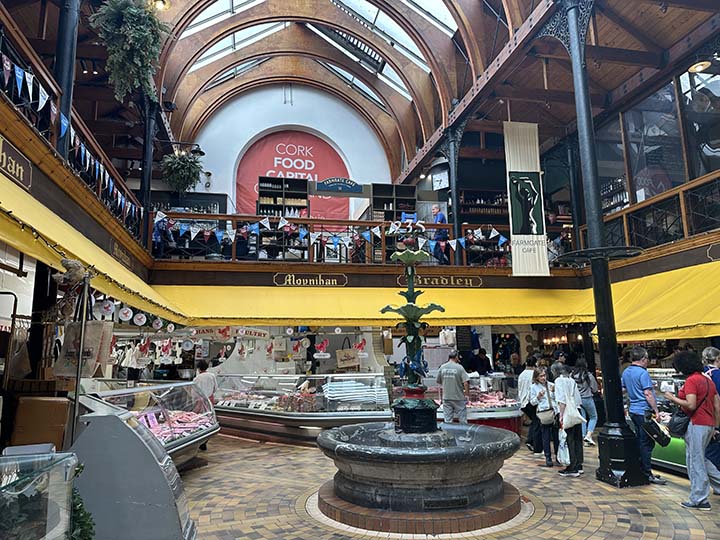
Well that sounds yummy. Food capital, huh?
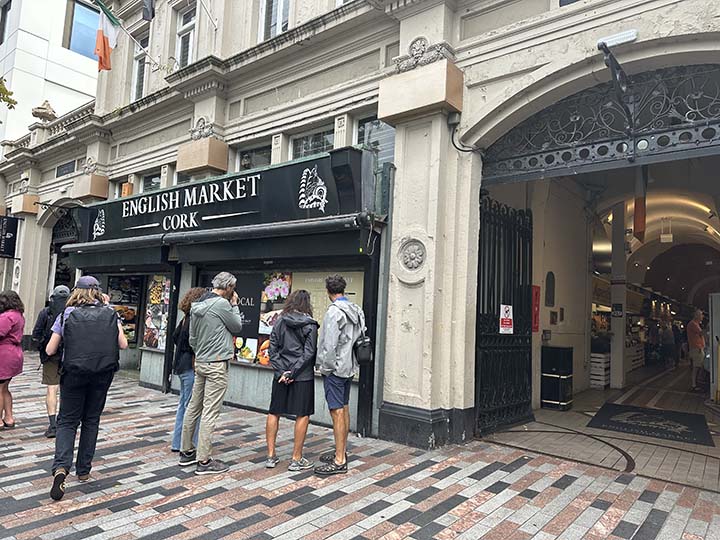
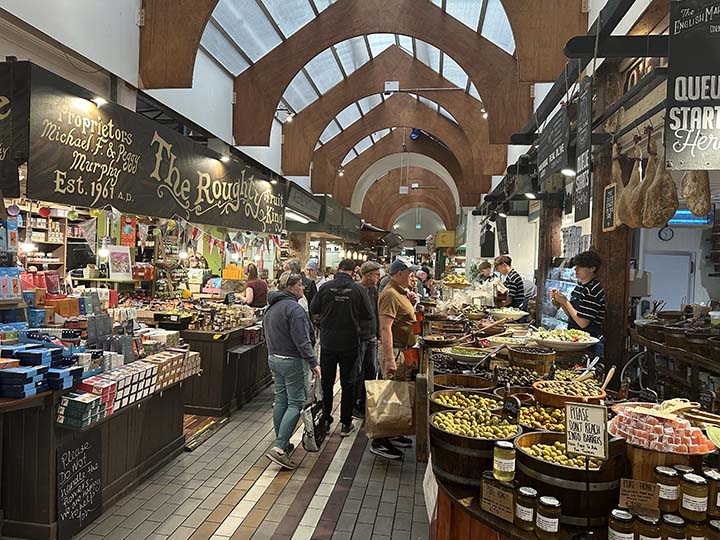
We've been told the English Market is not to be missed.
I love to visit food markets when I am in foreign lands.
You never know what exotic fruit, vegetable, or meat you may find.
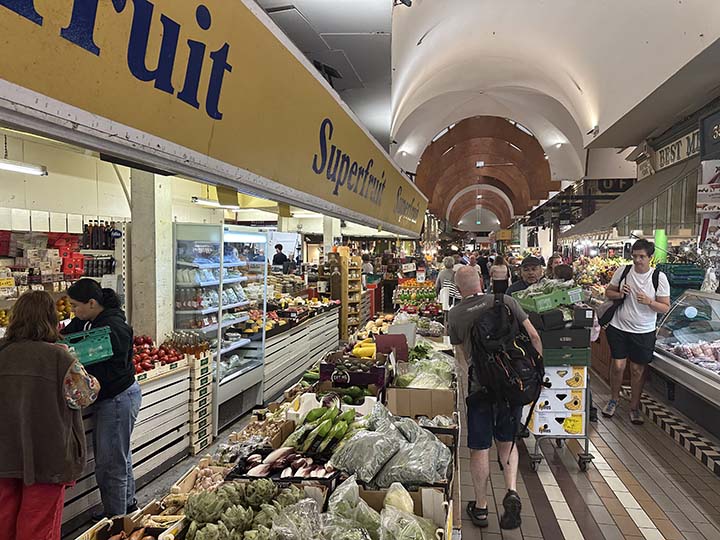
The English Market held a fascinating collection of foods.
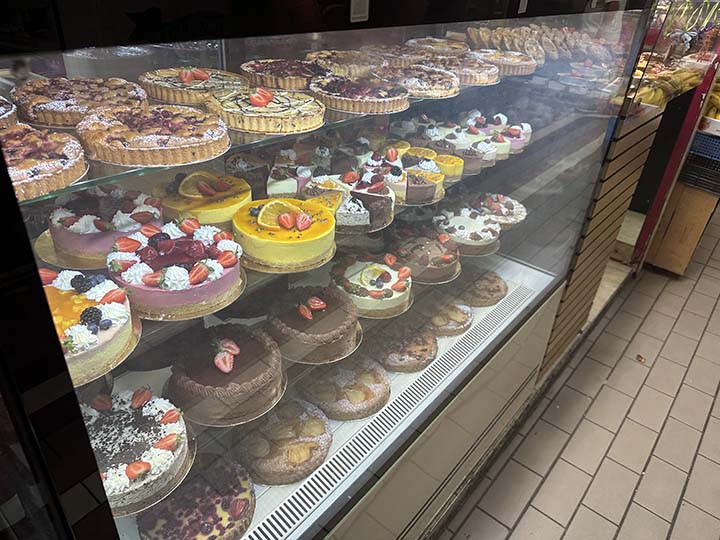
That's not exotic. I know exactly what that is. And it looks wonderful.
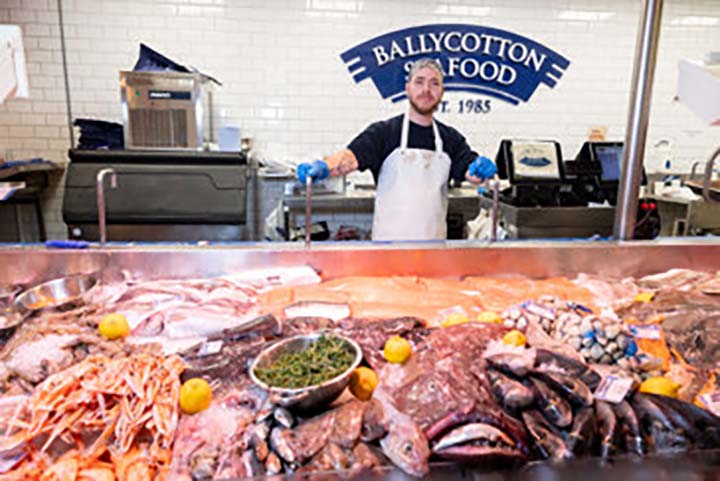
They tell the story about how Queen Elizabeth was brought to the English Market during her one visit to Cork, and she stopped by a fishmonger stall.
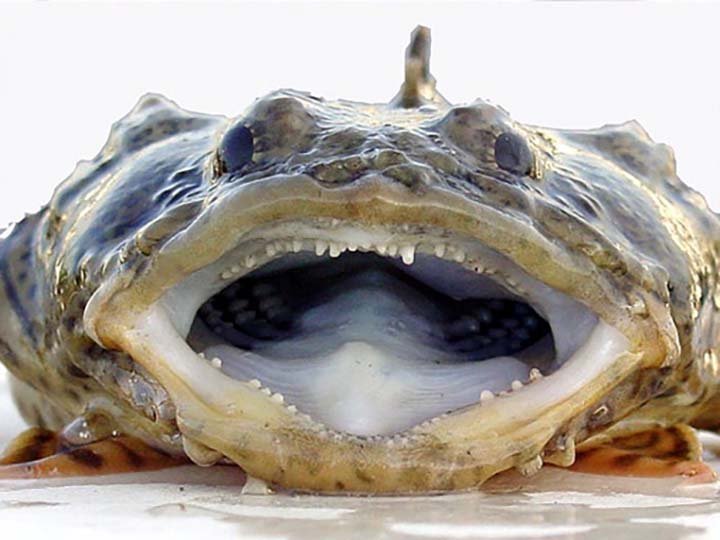
Apparently one of fish was extremely ugly, an angler fish, and when the queen asked what it was the owner told her it was called a “mother-in-law fish.“ They say the queen actually guffawed. Maybe you had to be there.
It was fun, but it's time to see more of Cork.
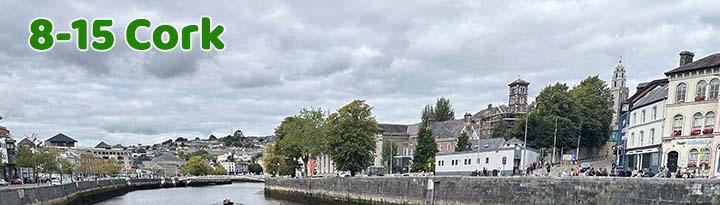
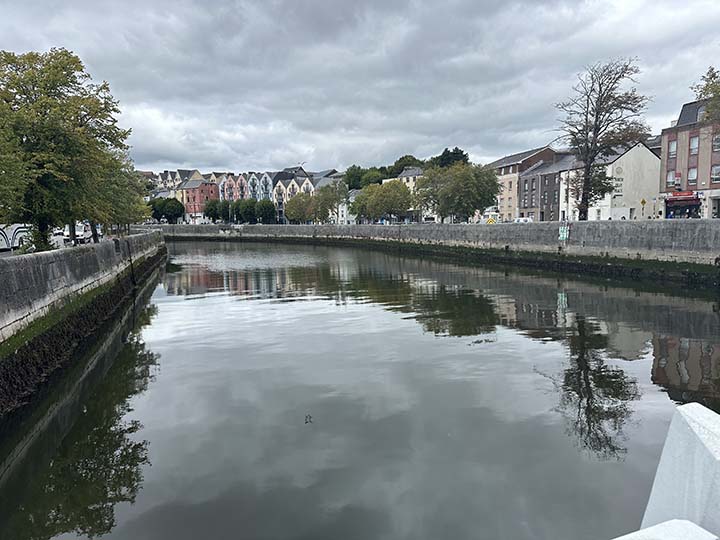
This is the River Lee.
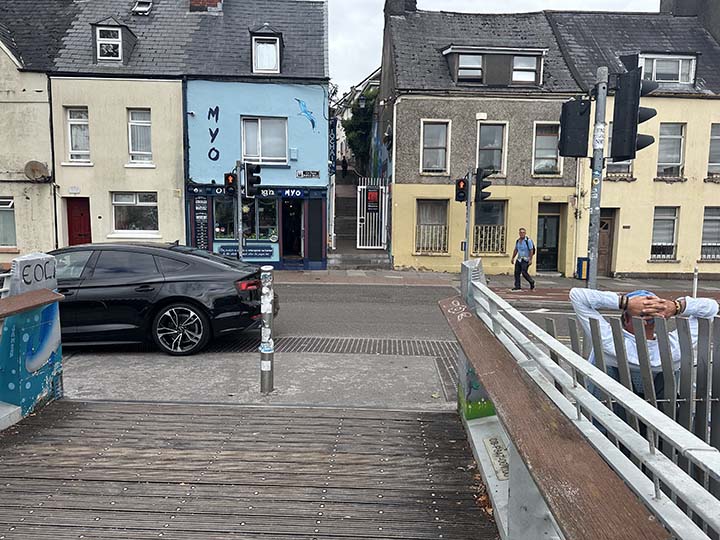
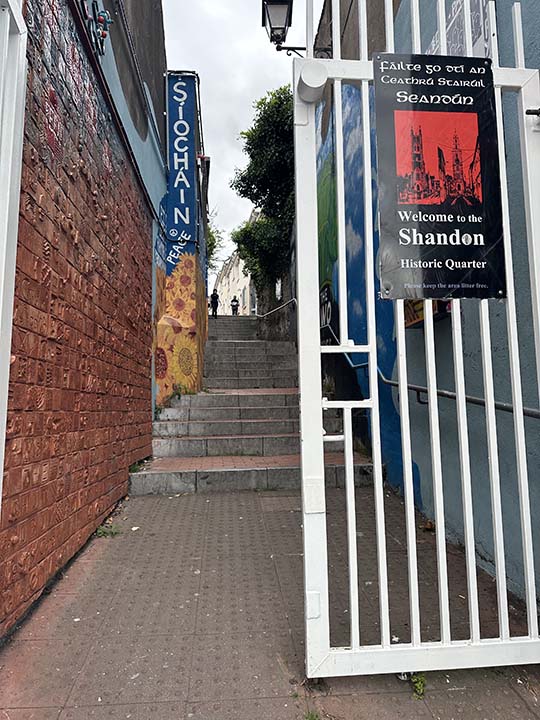
Then I noticed that Brendan had sent us all a message suggesting we visit Saint Anne’s church because the clock tower offers a beautiful view of Cork. Google Maps says I should continue straight ahead. Seriously?
Google Maps also says this walk will be "mostly flat." Hey Google Maps, do you know how many steps I climbed yesterday?
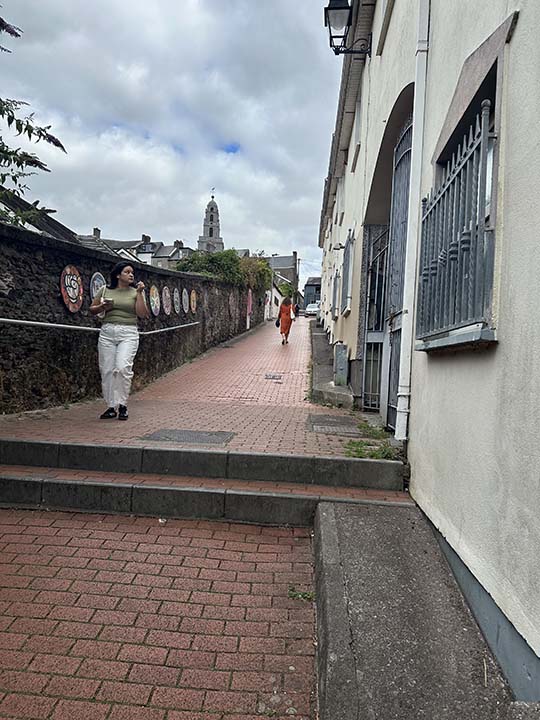
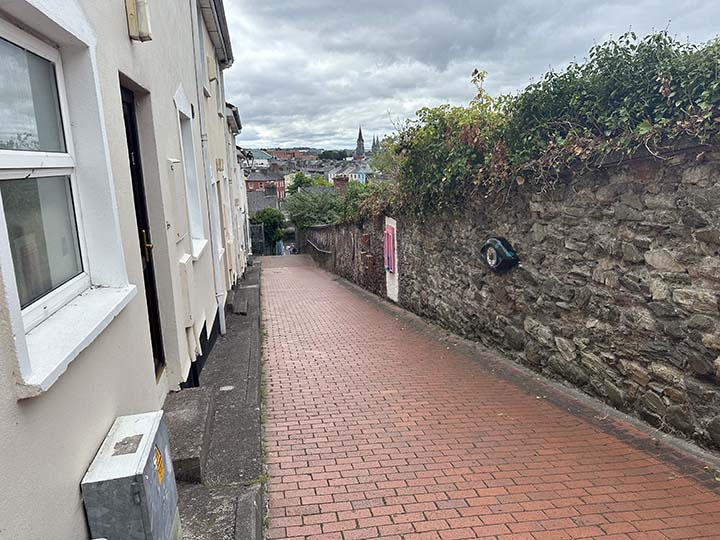
Things eventually leveled out.
Now that's more like it.
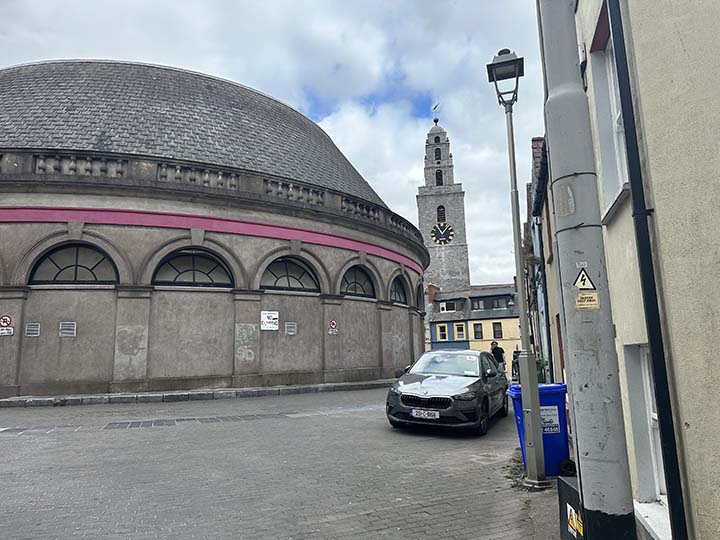
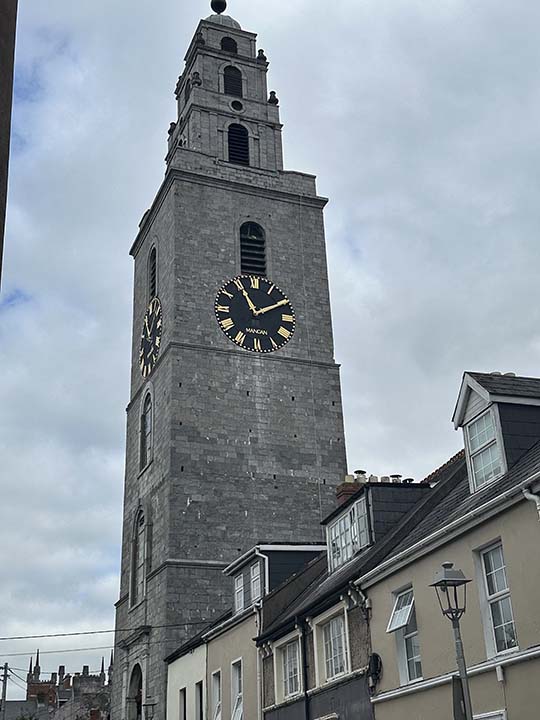
And then I saw the clock tower over there. But what is that round building?
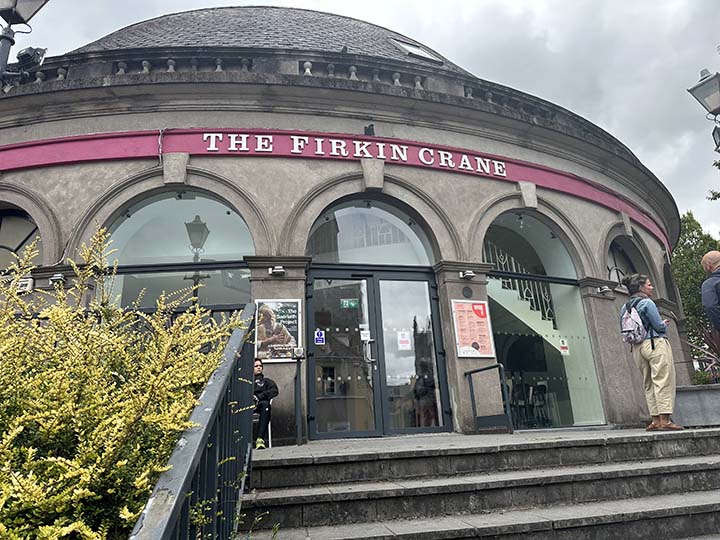
What in the world is a Firkin Crane?
I had no idea so I snapped a picture and figured I would look it up
when I got back to the room tonight. And so I did. And so I learned
this: Opened in 1855 as part of the historic Cork Butter Exchange,
the building named after the "firkin" (a quarter-barrel used to
measure butter) and the "crane" (the balance scale used to weigh
them).
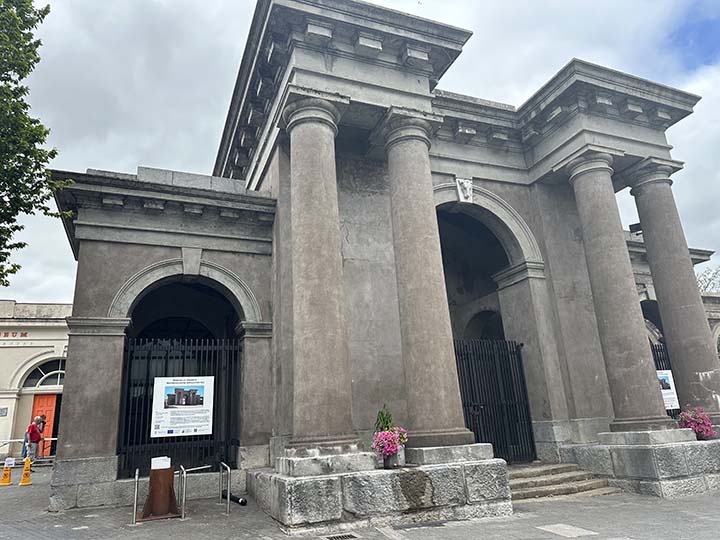
I wonder what that old building is. I'll just go read that sign out front.
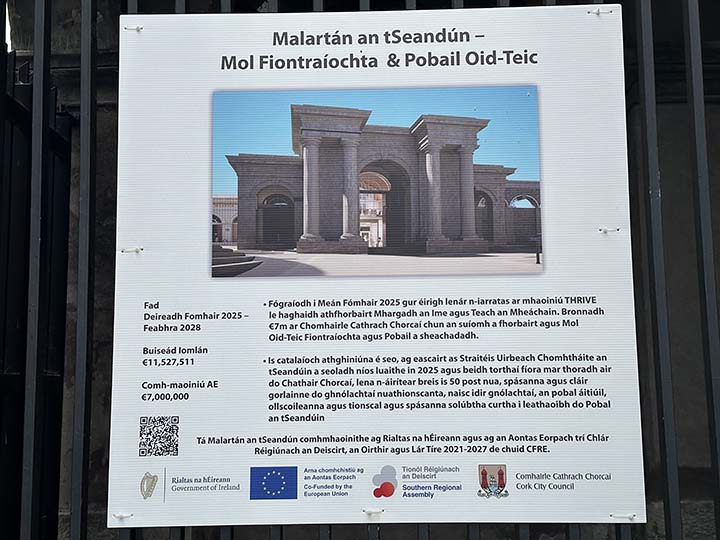
See? The sign explains everything. It's the old Cork Butter Exchange, now undergoing renovation. You CAN read that, can't you?
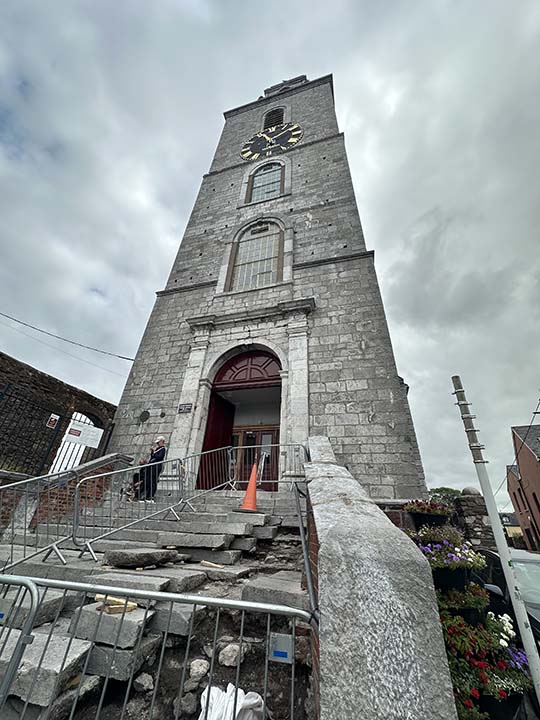
Finally. St. Anne's Church.
Hope those remaining steps don't crumble.
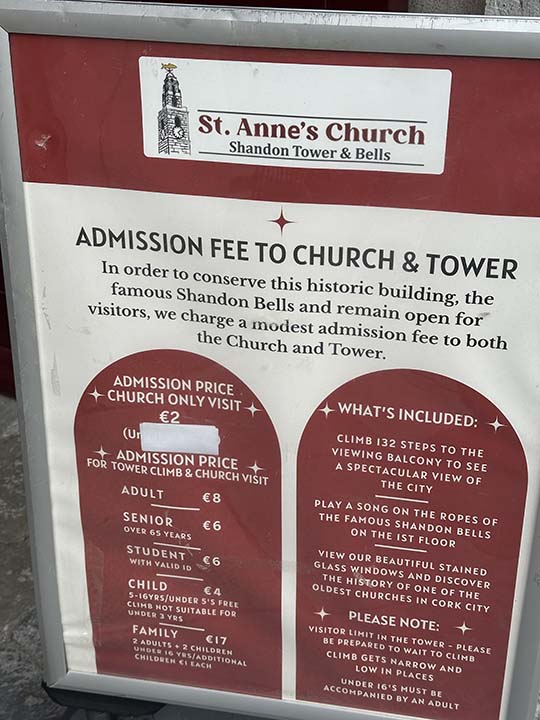
Yes, this is the place, all right. And only 132 steps to the top. What?
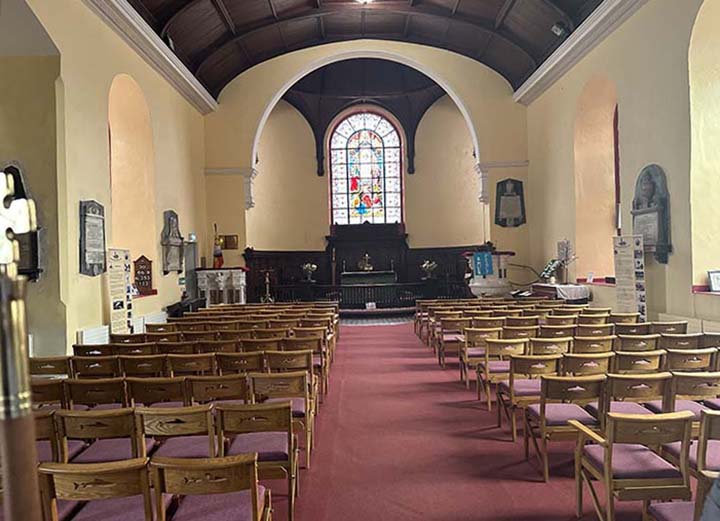
When I walked into the vestibule two very nice ladies greeted me and when I told them I would like to climb to the top of the clock tower to view the city, they gave me one look and said, “It’s a very challenging climb.“ So I told them I had kissed the Blarney Stone just yesterday. “Is this climb more difficult than that?” “Oh, yes,” they said. And I said, “well, never mind.“ But they were happy to let me look at the church.
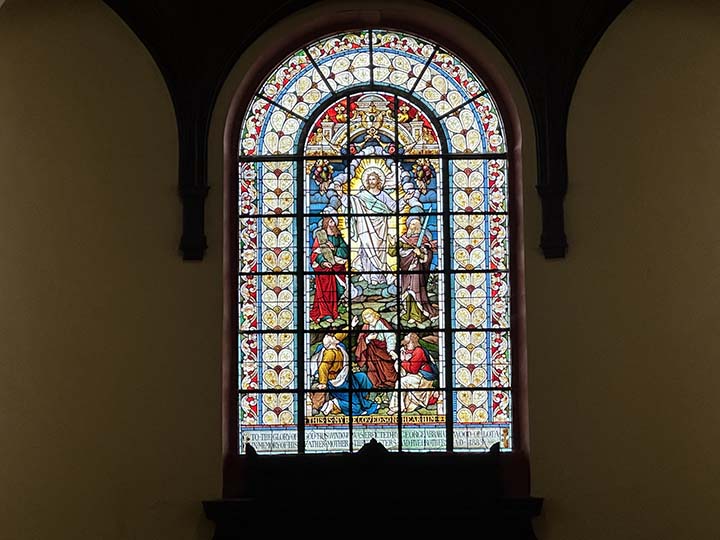
It was a very nice church.
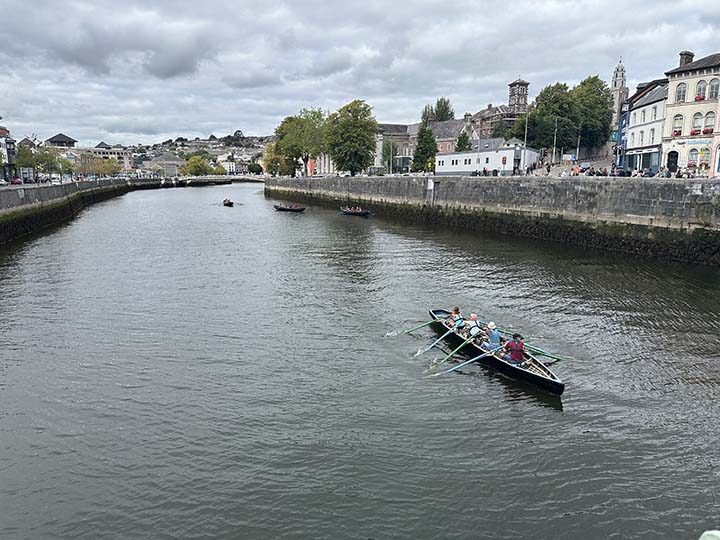
There was a regatta in progress when I walked back across the River Lee.
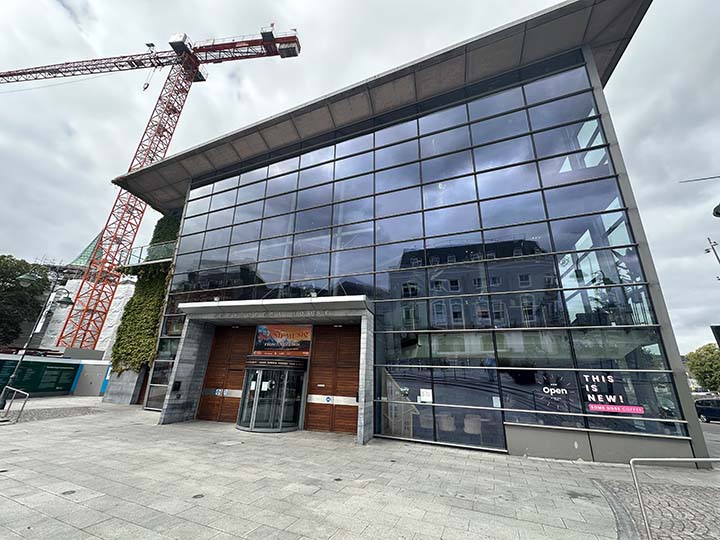
That’s an opera house.
By this point I decided to sit on a bench to take a breather while I enjoyed people-watching and music-listening.
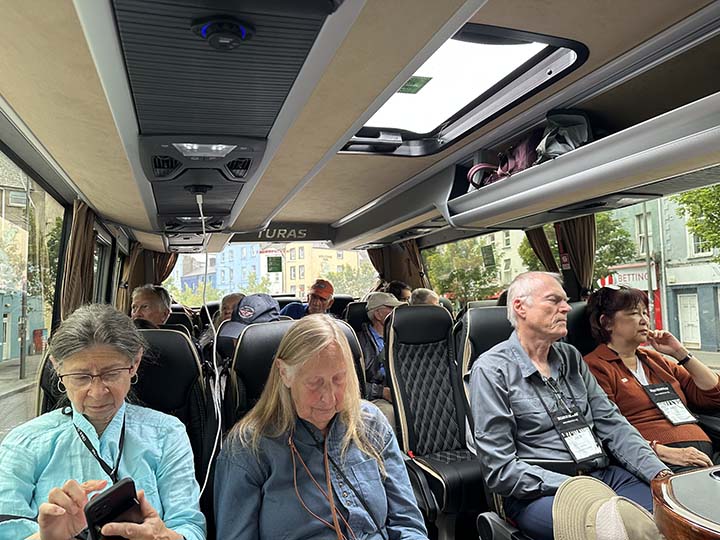
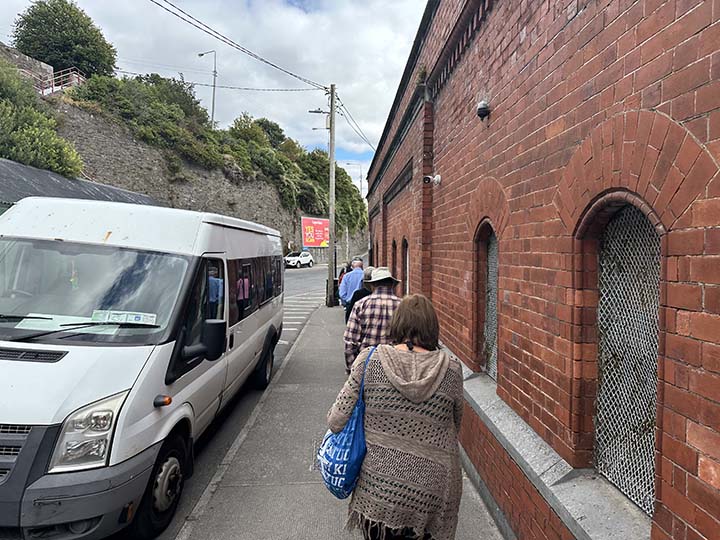
Off we go again. It’s a small bus, so if I want to have a seat by myself, I have to ride backwards.
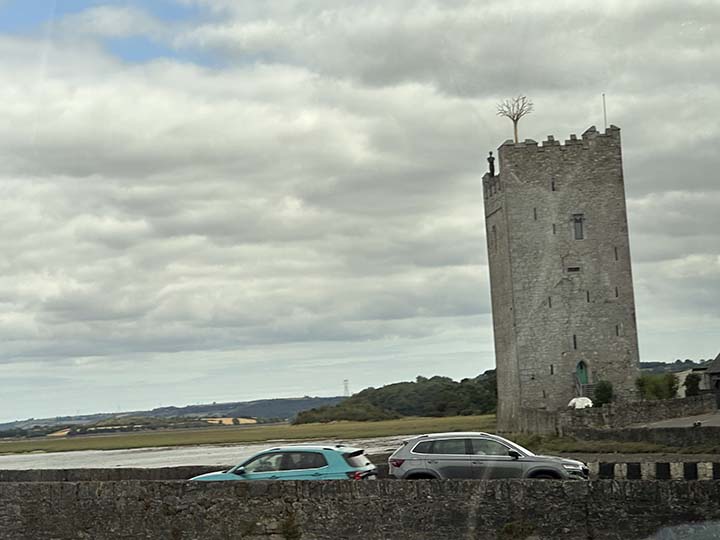
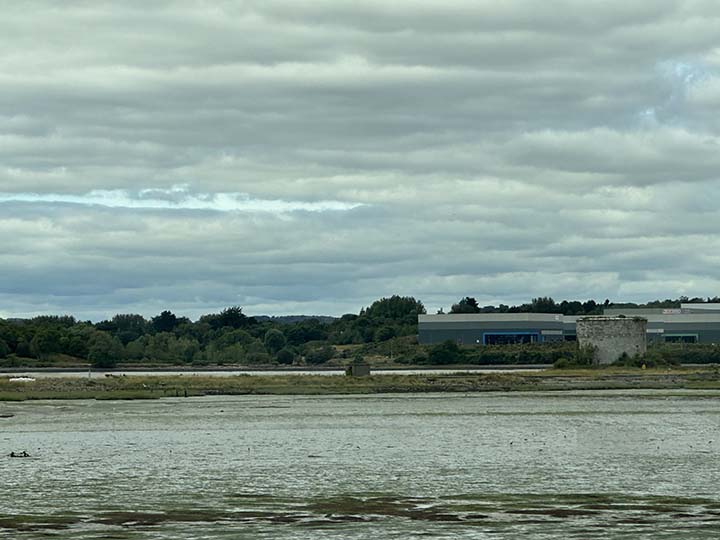
That’s a guard tower. I think Brendan said it was built by the British.
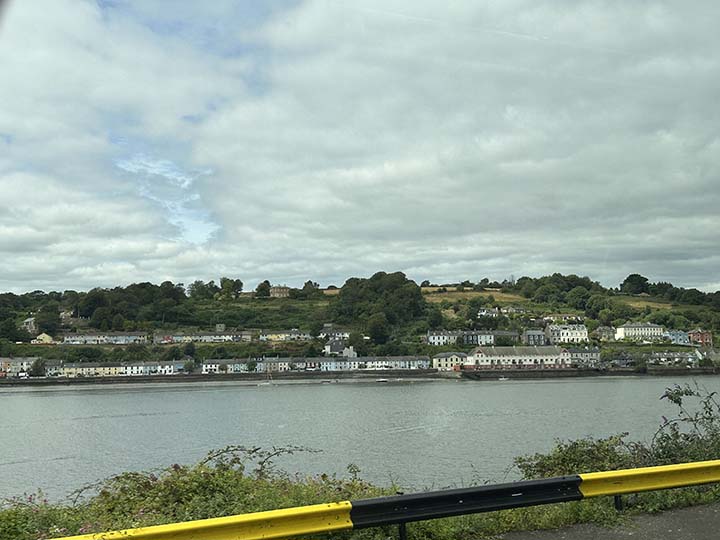
We are headed to the little town Cobh.
Cobh (pronounced "cove") is a historic seaport town on Great Island in County Cork, Ireland, located 25 km east of Cork City. Famous as the final port of call for the RMS Titanic in 1912, it features colorful Victorian streetscapes, St. Colman’s Cathedral, and a deep maritime and emigration heritage
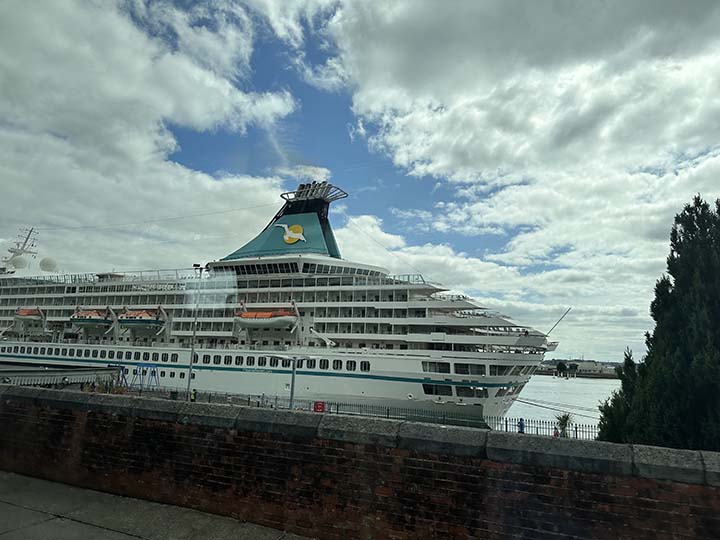
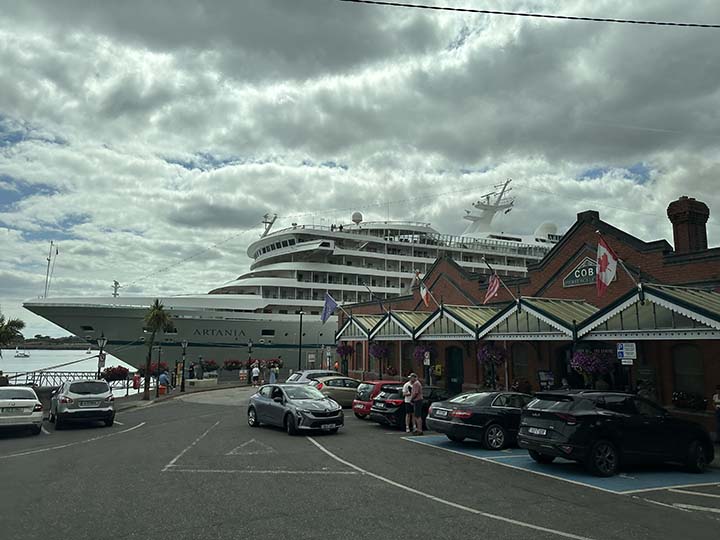
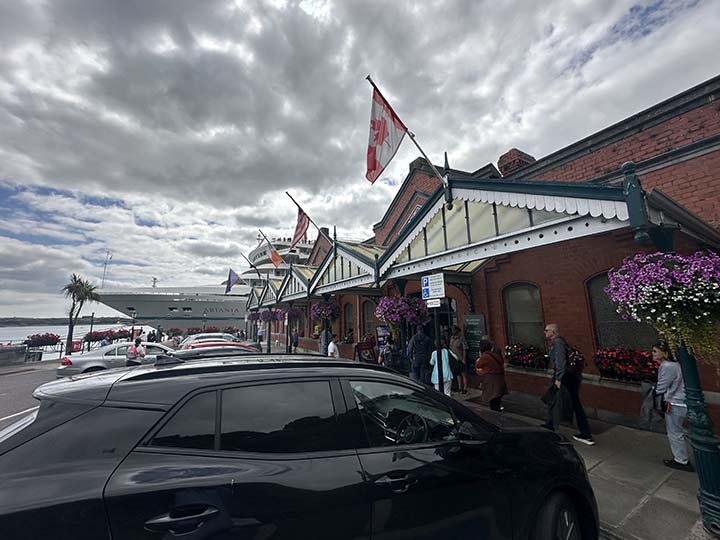
And it's still a port of call. This is not the Titanic. But big passenger ships do still show up here.
Right, about where the Titanic once docked.
Let's look inside this old building.
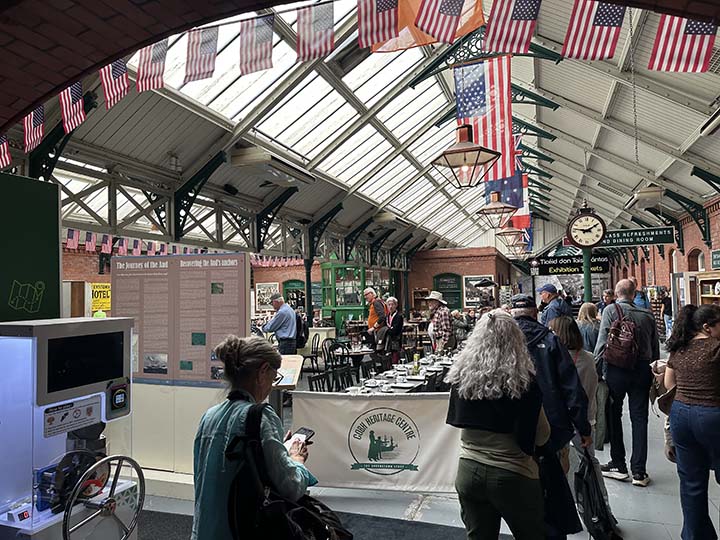
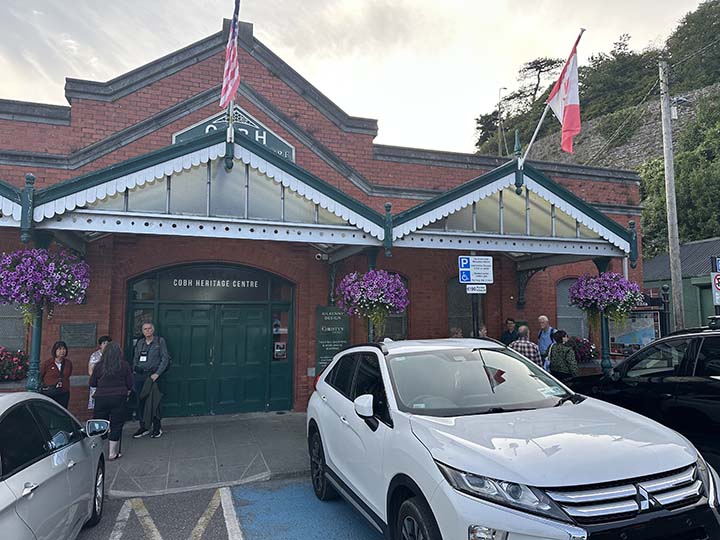
This building was once the railway terminal where people arrived to board ships that would take them all over the world.
Now it's a tourist attraction called the Maritime Museum.
Remember that cruise ship that was docked just outside? The sound of the ship's horn indicated the cruise was getting underway.
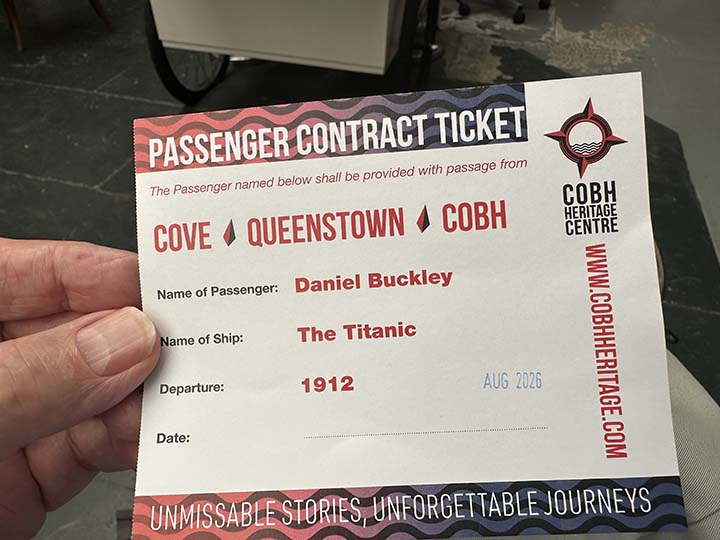
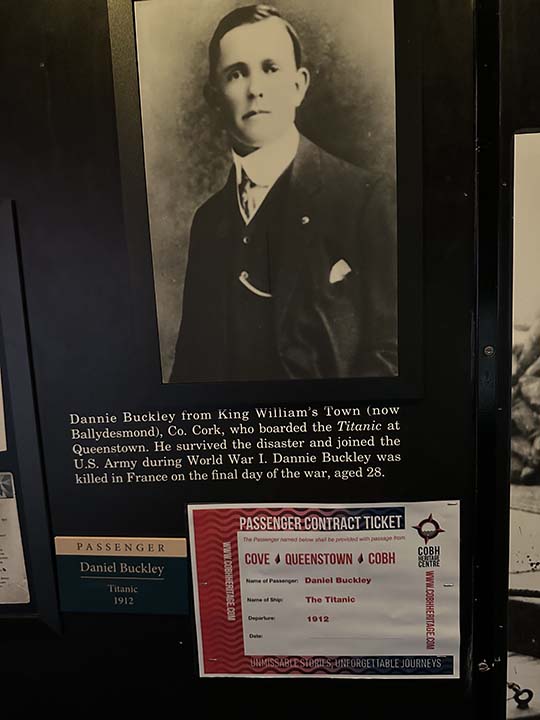
This was my ticket to get into the museum. It contains the name of Daniel Buckley, and I was supposed to look for a mention of him in the museum. I actually did find him. He survived the sinking of the Titanic, joined the US Army, killed on the final day of World War I.
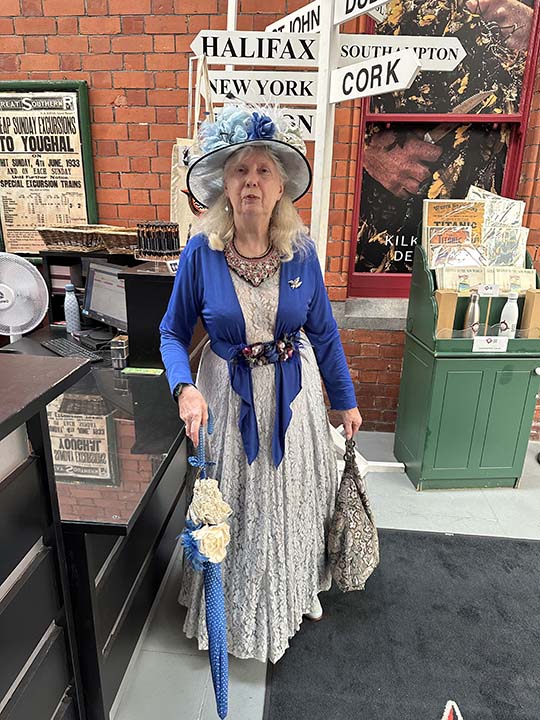
This lady has arrived in a time machine.
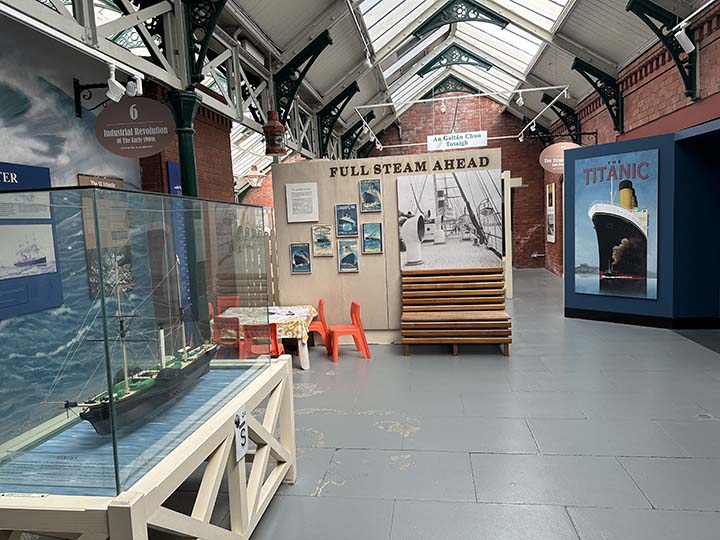
The exhibits covered lots of ground regarding ships coming and going from here.
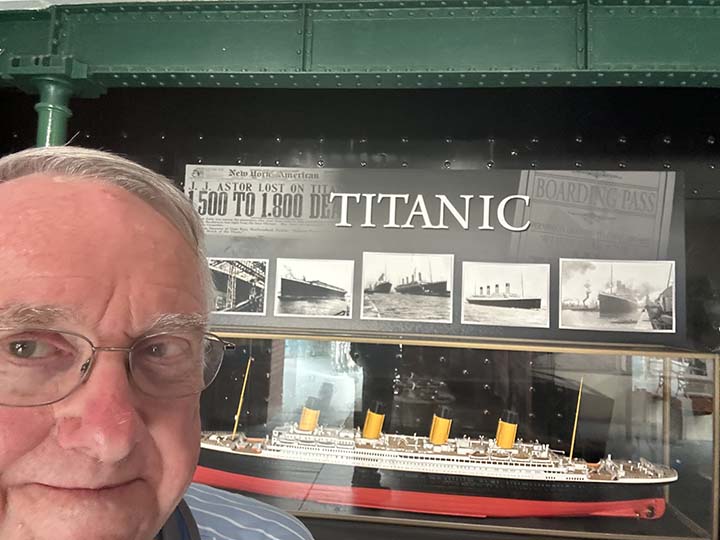
Still, the Titanic was the main attraction.
Look! I found the guy on my ticket. Dannie Buckley.
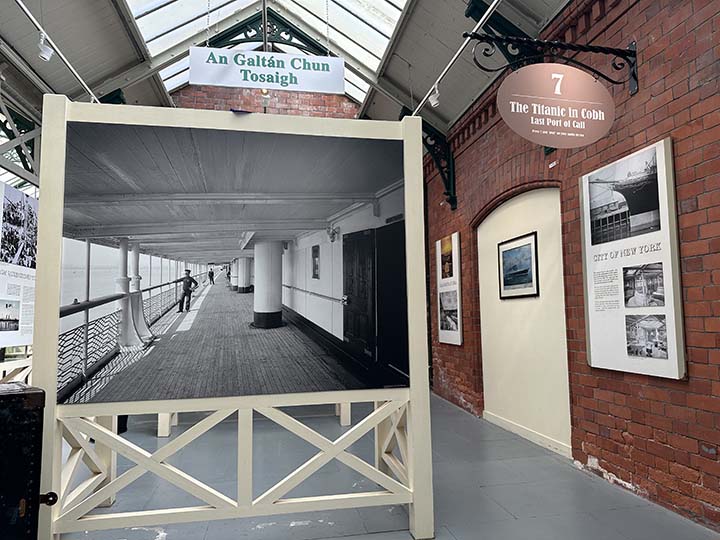
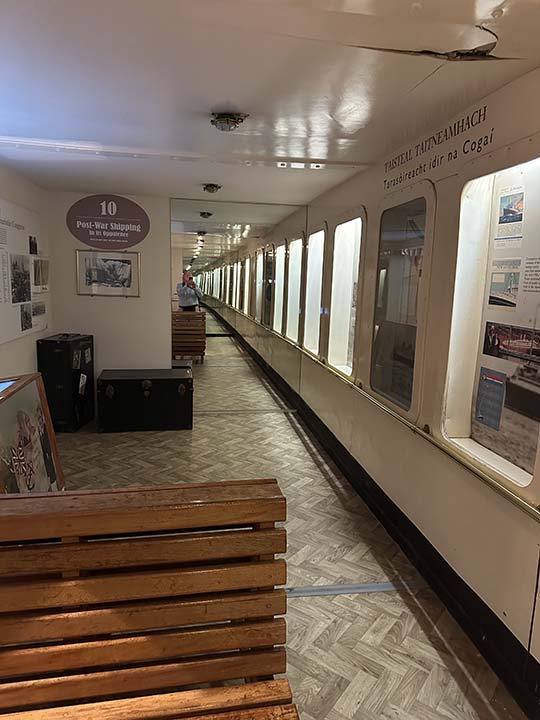
With the clever placement of mirrors, this Titanic corridor looks much longer than it really is. See me taking this picture down there?
It sank.
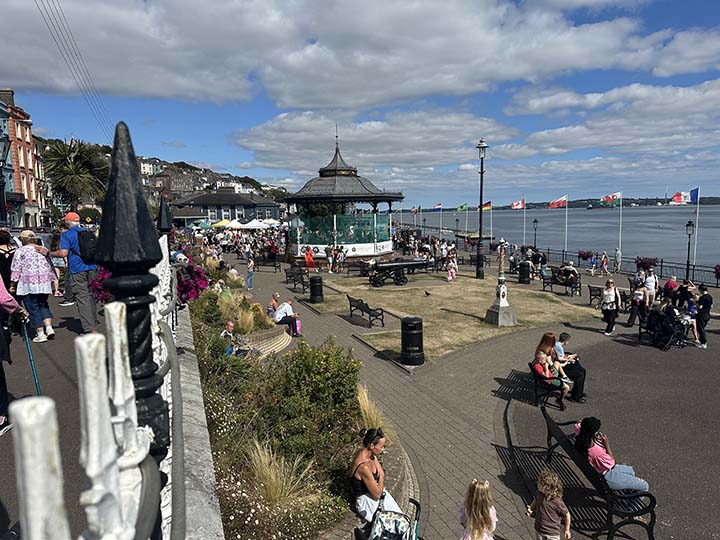
Part of the day’s agenda was a lecture on the area and it was supposed to take place in that gazebo.
The plan was to take a walking tour through this area and then sit and listen, but Road Scholar hadn't foreseen the waterfront would be packed with tourists enjoying a summer concert.
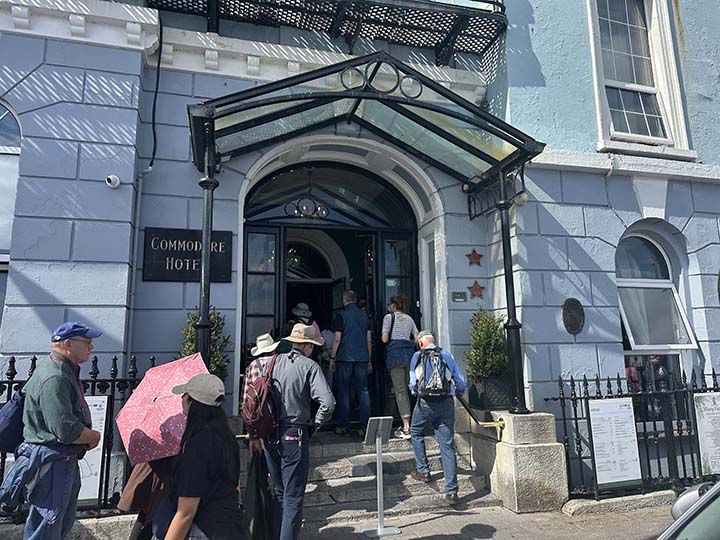
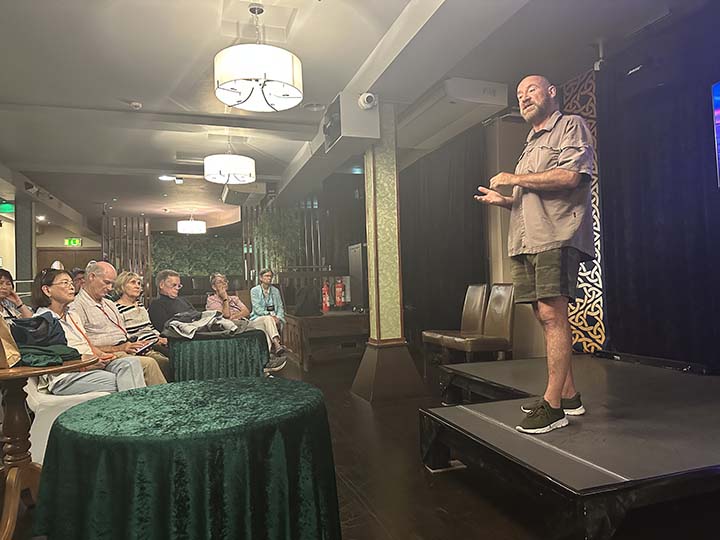
So we had to go to plan B, then C. This hotel was not expecting us, but good ol' Brendan got us a lecture room.
Like all the other Road Scholar lecturers, this one was outstanding. He gave a history of wars for independence in Ireland over the years. You know, the British really treated Ireland poorly. As I've already mentioned, during the potato famine, there was plenty of food being produced in Ireland to feed everybody, but Britain made Ireland export all the bounty so that Britain could feed its troops fighting in foreign wars. No wonder Ireland had its troubles.
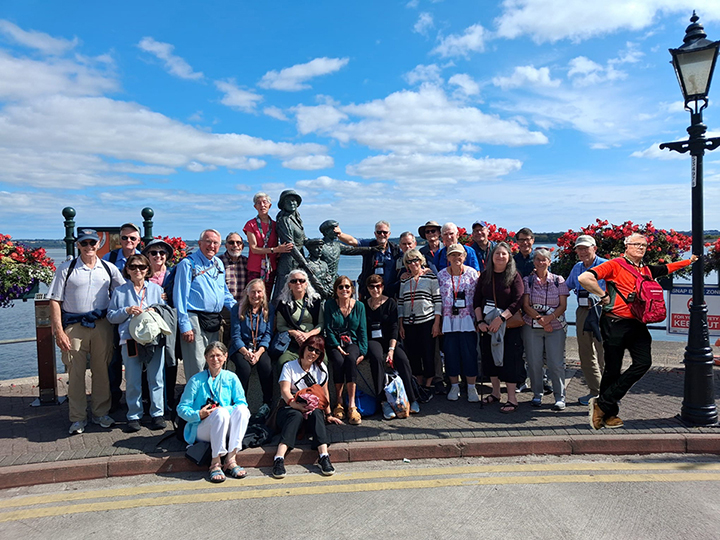
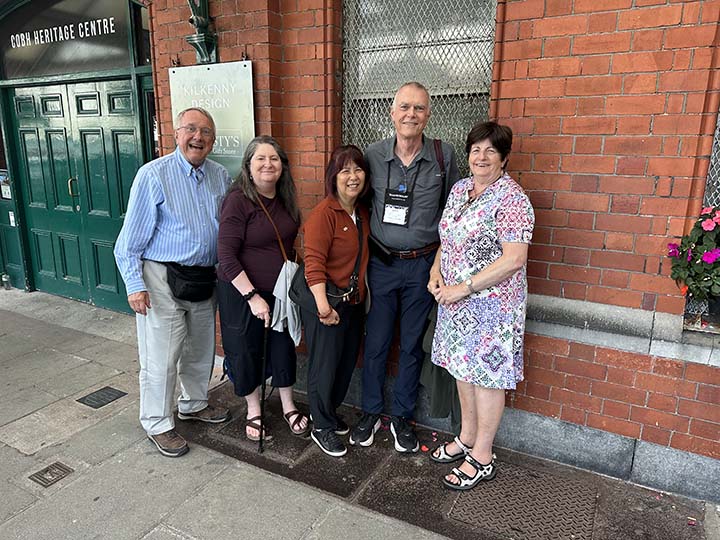
Right out there on the dock, Brendan took what turned out to be our only group picture of the trip. But there was a major problem: our photographer wasn't in the picture! So I used PhotoShop to fix things. I'm afraid he looks like he's lost interest in us, but this was about the best I could do. When I place him anywhere else he looks like he's punching somebody. Otherwise, this is a pretty great picture, I think!
Tonight we will split up into small groups and go home with locals who will treat us to home cooked meals while we learn how the Irish really live. Or something like that.
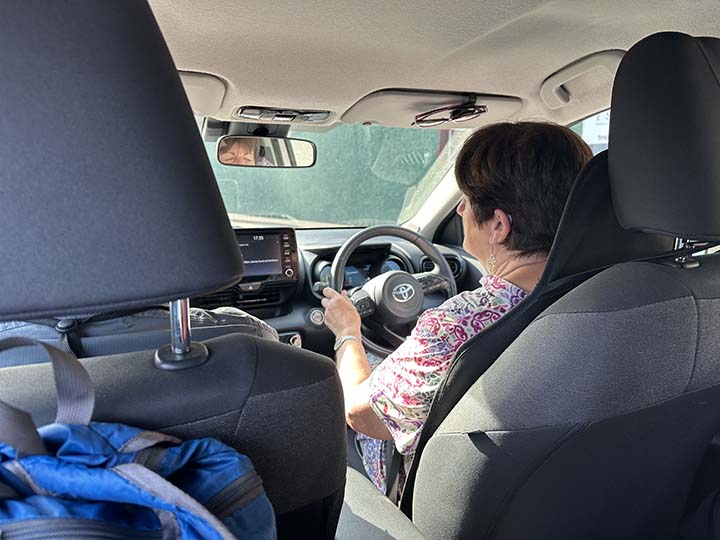
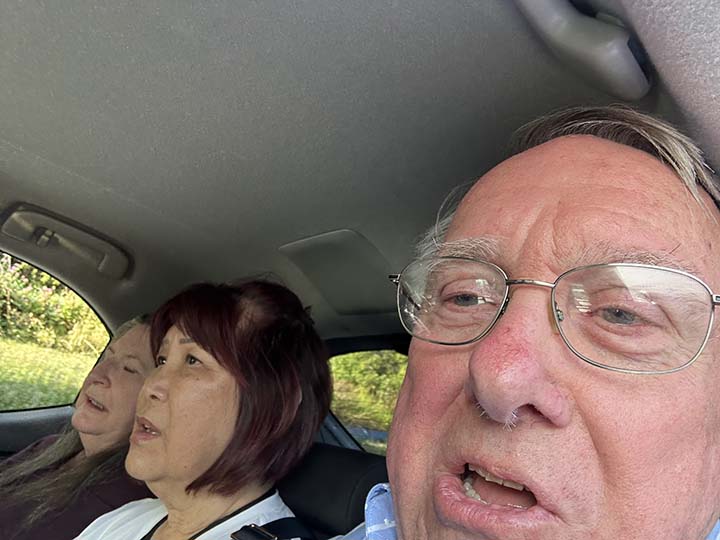
Now I am squeezed into the back seat of a car with Dreena and Jeri while Jim sits up front with our host for the evening meal, Teresa. She has been chosen by Road Scholar to be one of several hosts for our group in their homes for dinner tonight.
She has a small car.
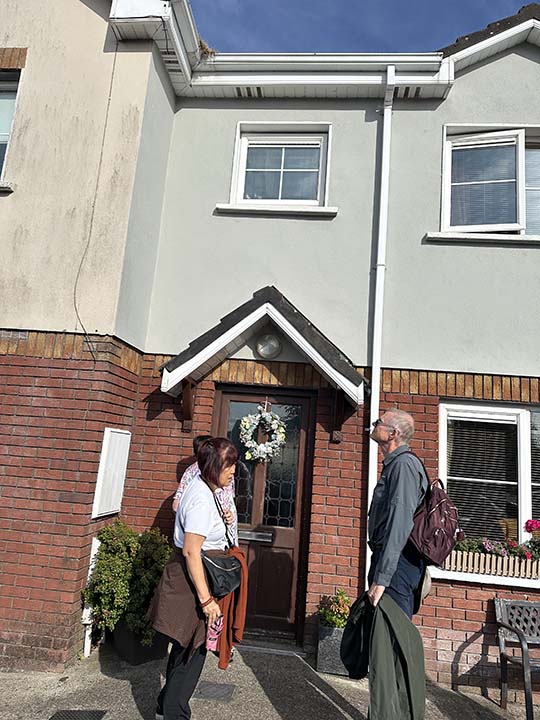
And here is her home.
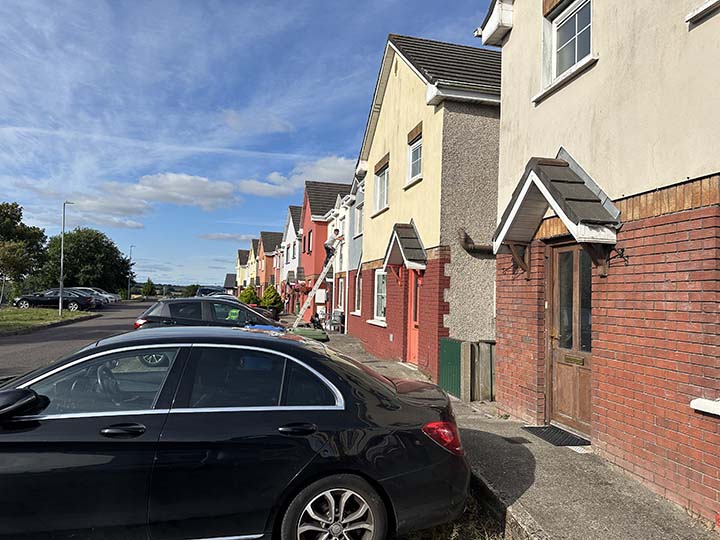
It’s one of several in this complex.
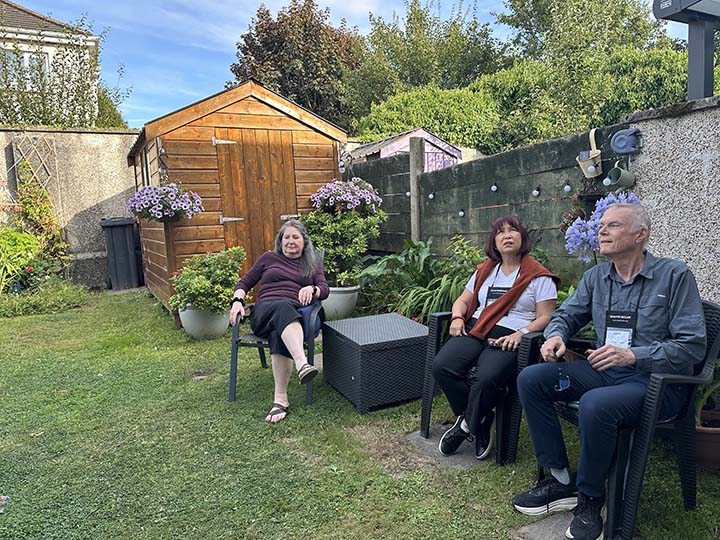
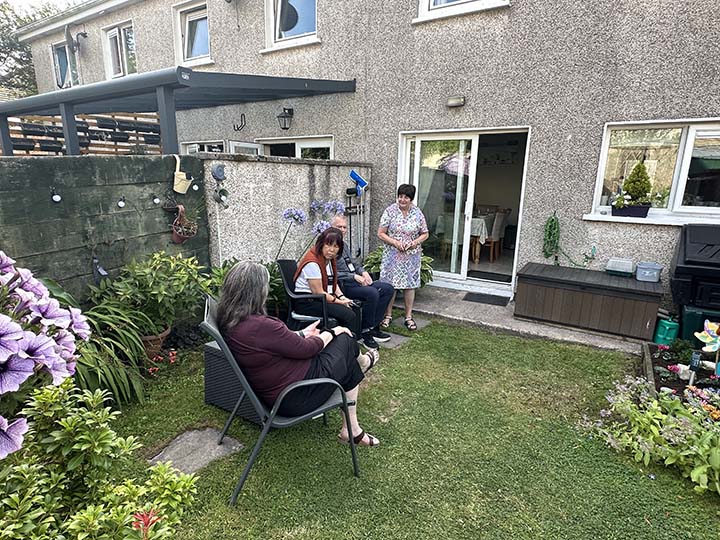
She has a lovely garden in her backyard.
And now she is inviting us in for dinner.
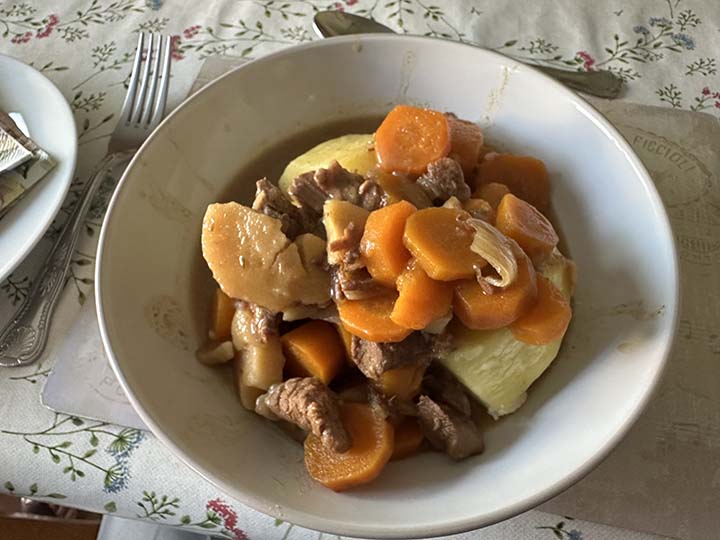
Where have I seen this before? Actually this traditional Irish stew was delicious. Teresa is a good cook.
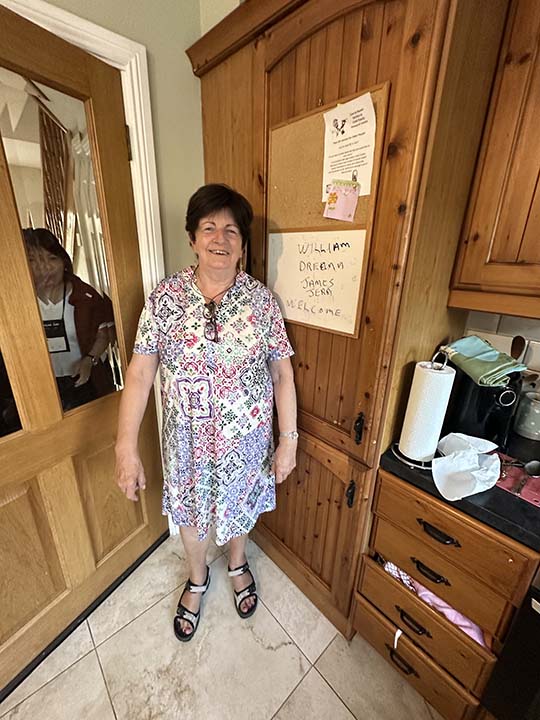
She was great. And can you believe she is standing in front of her refrigerator? That’s the refrigerator part on top and the freezer down below. Nice decor!
Now we've returned to the Maritime Museum.
And we're all saying goodbye.
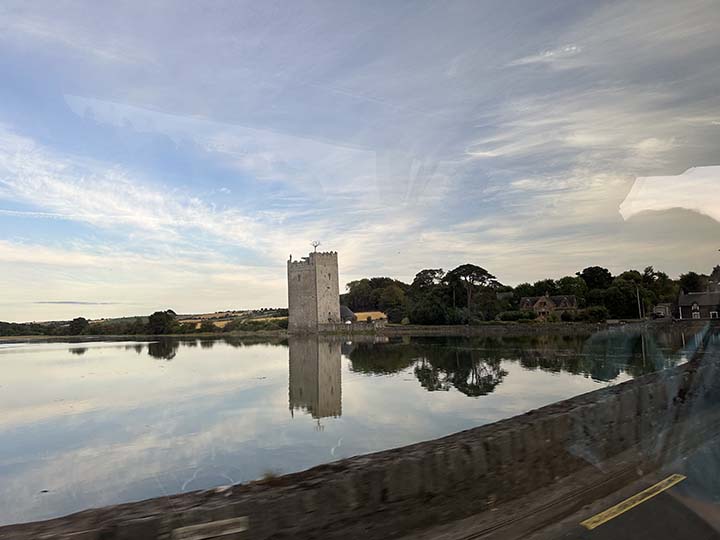
And here’s a shot of that tower again. Looks nicer this evening, doesn’t it?
|