|
Day two in Belfast. Cloudy skies, but no bombs have gone off yet.
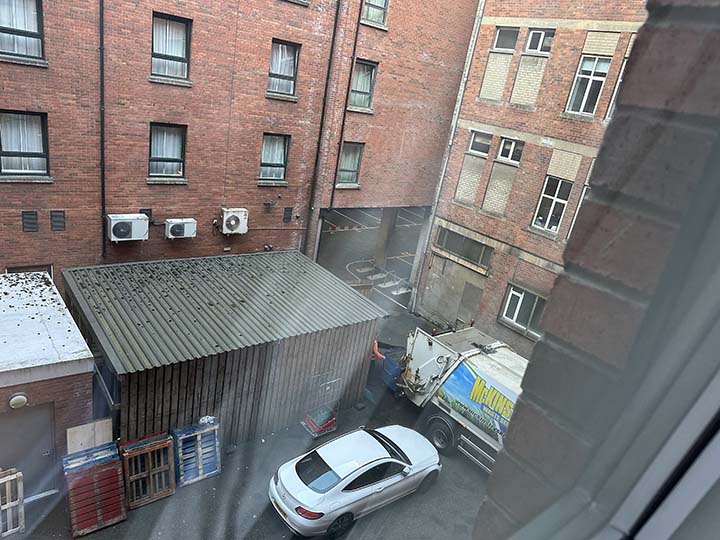
Here's the view from my window in the lovely Hotel Leonardo.
Who needs a wake up call when the lovely Hotel Leonardo engages a trash compactor outside my window every morning at 6:00 AM? I’m glad tomorrow is our last morning here.
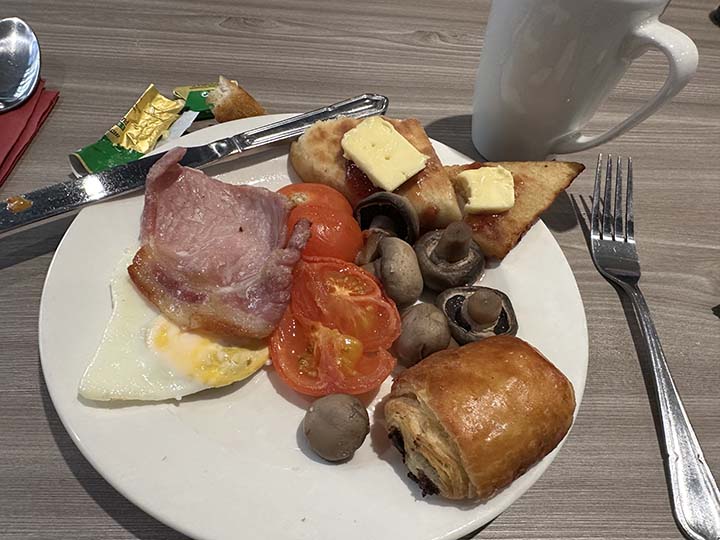
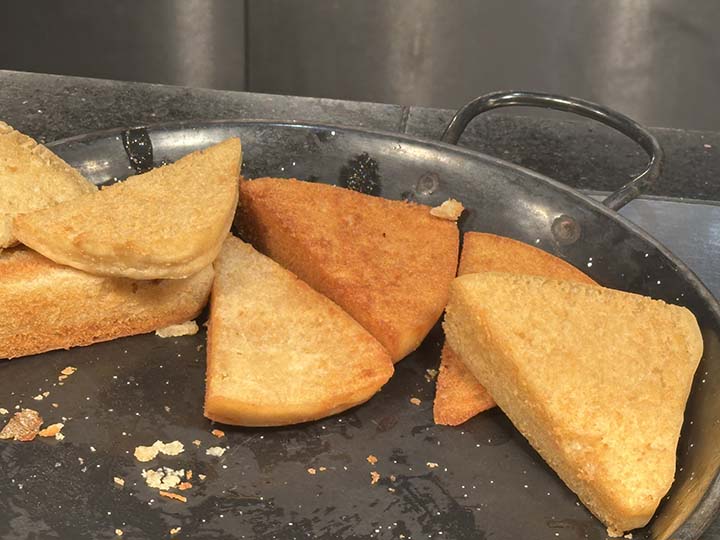
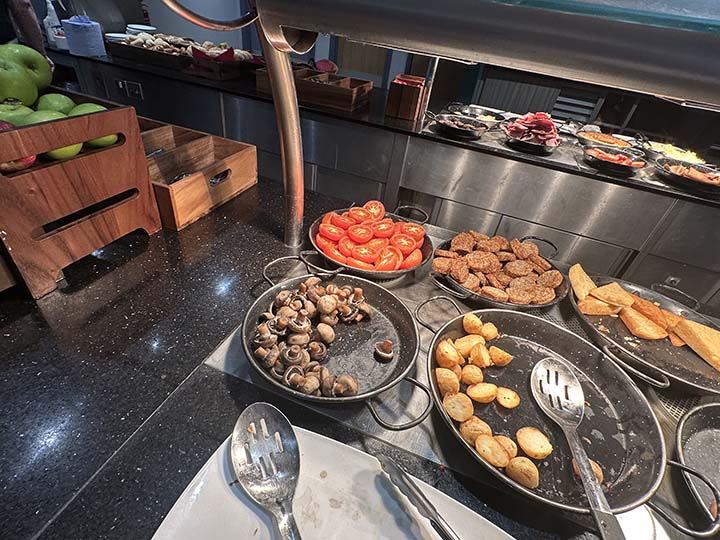
Over the course of the trip I became accustomed to being offered this for breakfast every morning. Sautéed mushrooms, a pastry, roasted tomatoes, fatty pork "bacon," tough fried eggs, and those triangles which I thought were bread at first but it turned out they were potatoes. Of course they were potatoes. Actually they tasted pretty good the first time I tried them.
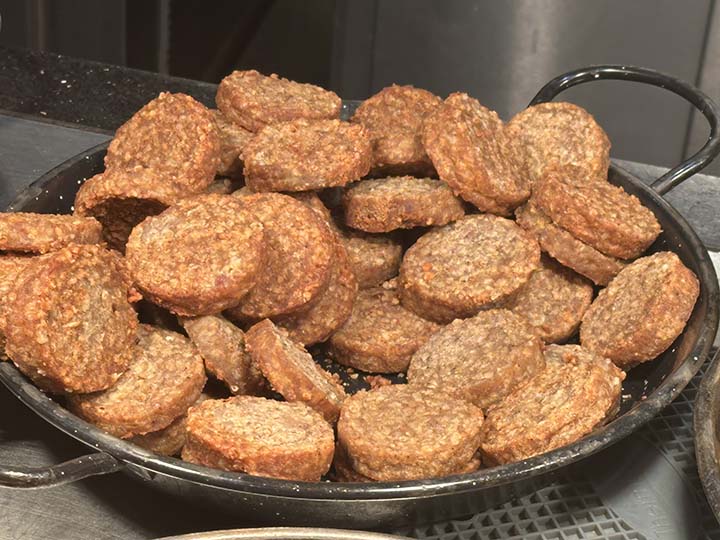
And then there was this stuff. White pudding is a traditional oatmeal and pork or suet sausage differing from black pudding primarily by the omission of blood. Over the course of the trip I did encounter black pudding. It is every bit as good as it sounds.
But as I said, these potato triangles were tasty this first day.
The usual breakfast buffet.
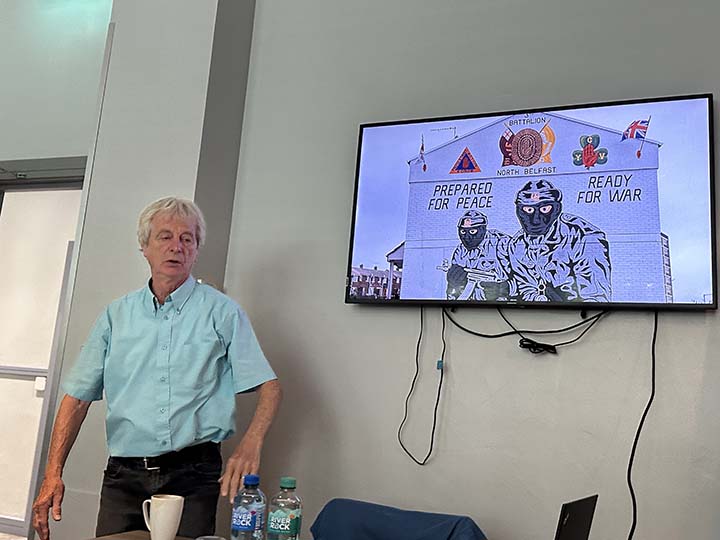
Our speaker this morning was Professor William Rolston from Belfast University.
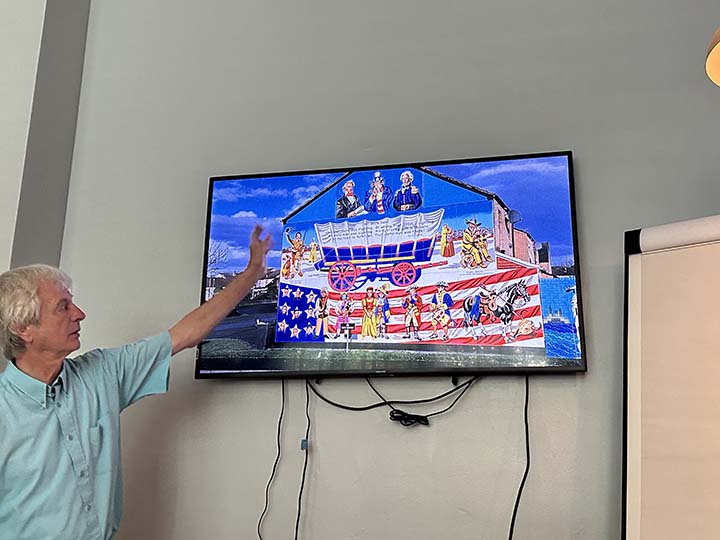
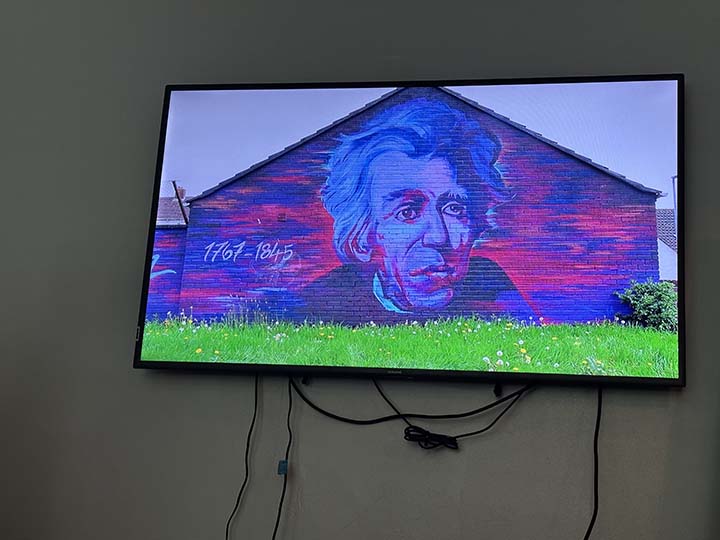
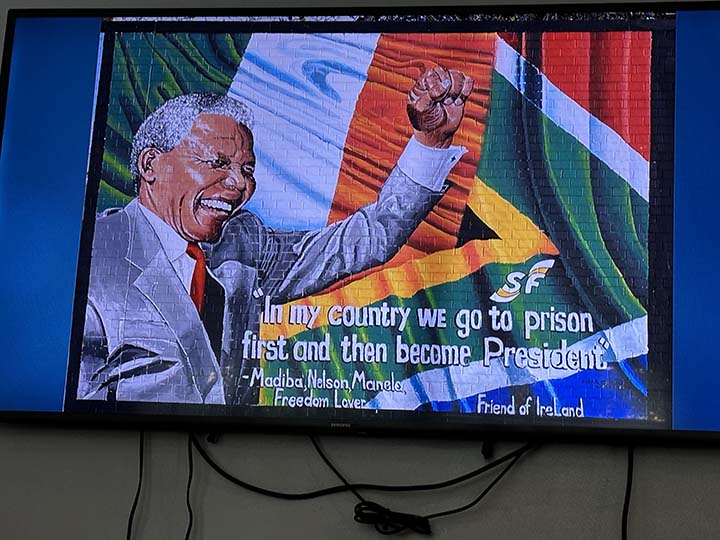
He made a presentation on the tradition of painting political murals on the sides of buildings in Belfast. It turns out that everywhere you look in Belfast something is painted on a building. Over the years the murals have evolved from exhorting violent conflict, to more benign political expression. Some aspects of American history resonate here.
Andy Jackson was a racist Indian killer and some people Northern Ireland think that sounds great.
Others hold up great men as an example. There were murals of Martin Luther King and Rosa Parks as well.
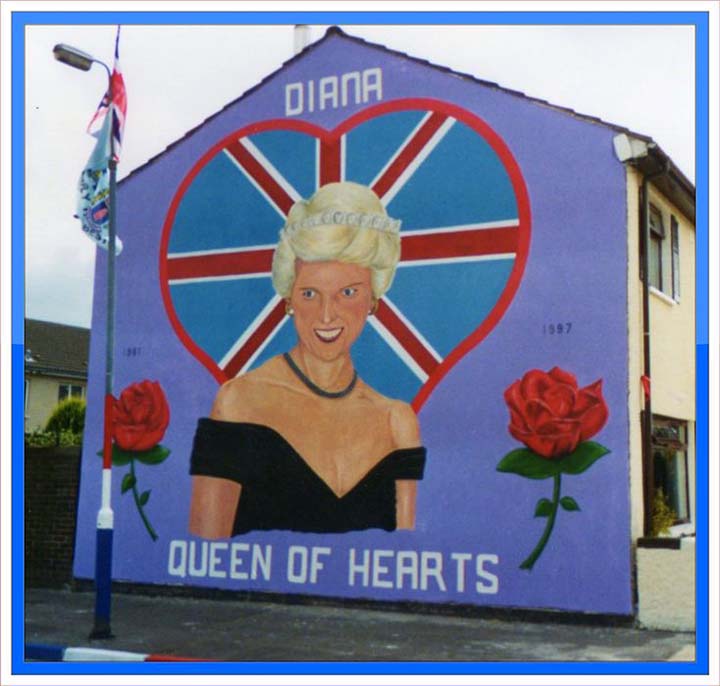
And then there was this. Our lecturer said he was standing with the artist as he painted this and was amazed that this man who had painted scenes of violence and calls for revenge, was overcome with embarrassment when it came time to paint princess Diana‘s cleavage. I think she looks scary.
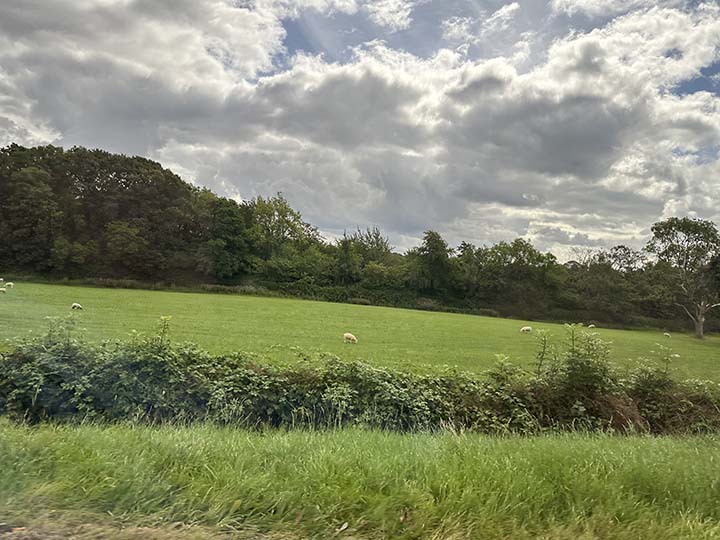
Let's get out of town. Did you know there are sheep in Ireland?
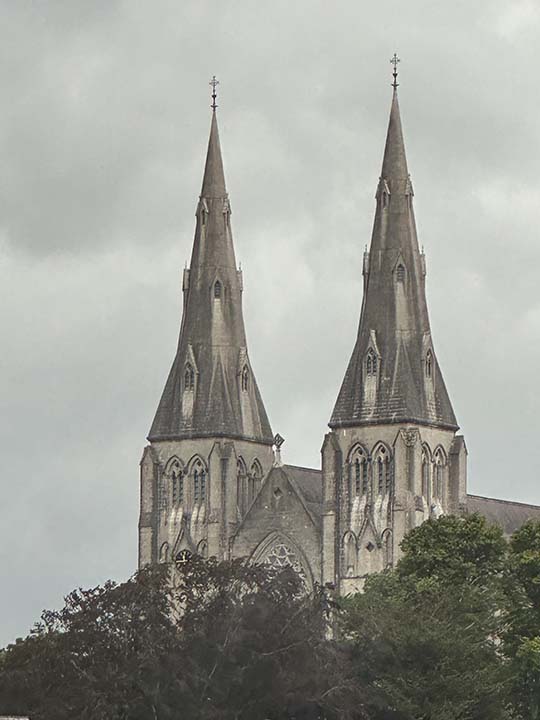
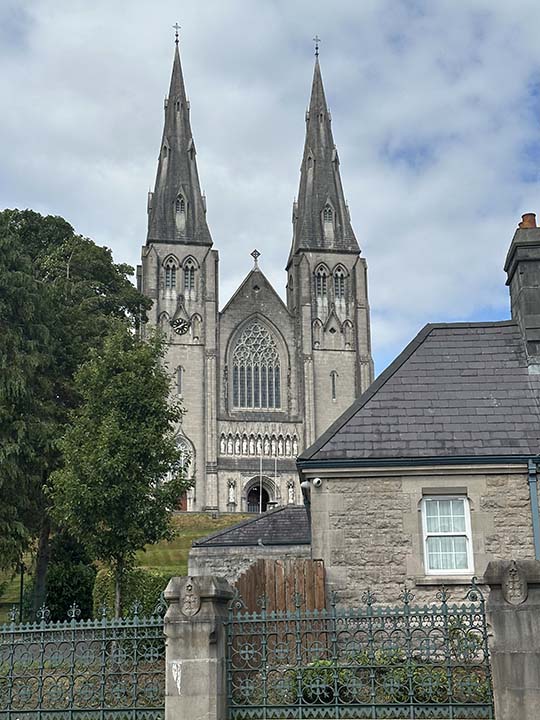
We have traveled by bus to the town of Armagh, home of two St. Patrick’s Churches. Armagh is famous as the ecclesiastical capital of Ireland and the historic home of Saint Patrick. The Irish do like St. Patrick. This is Saint Patrick’s Catholic Church of Ireland Cathedral.
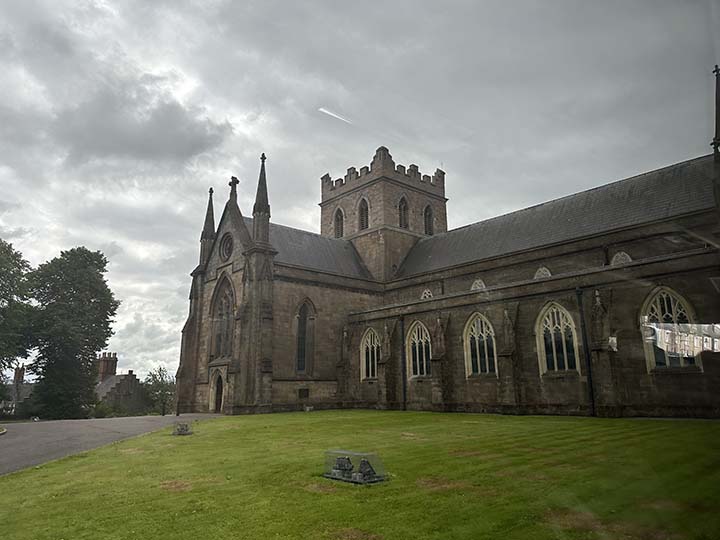
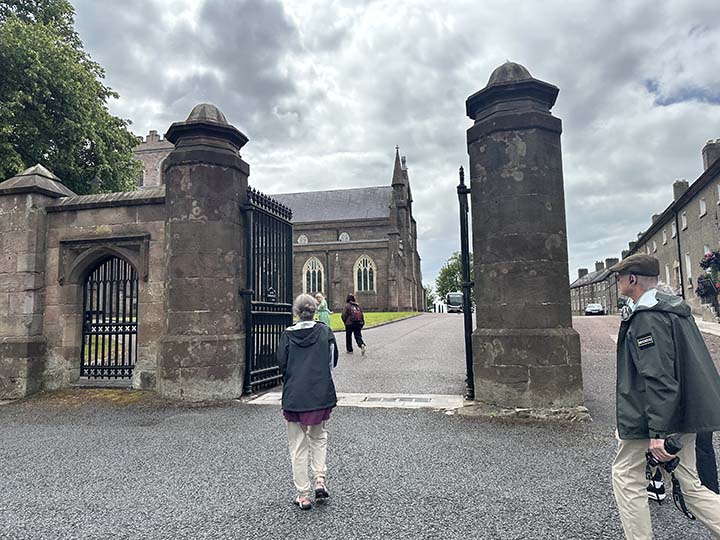
And just across the street this is The Cathedral Church of St Patrick, Armagh. It's Protestant; Church of Ireland.
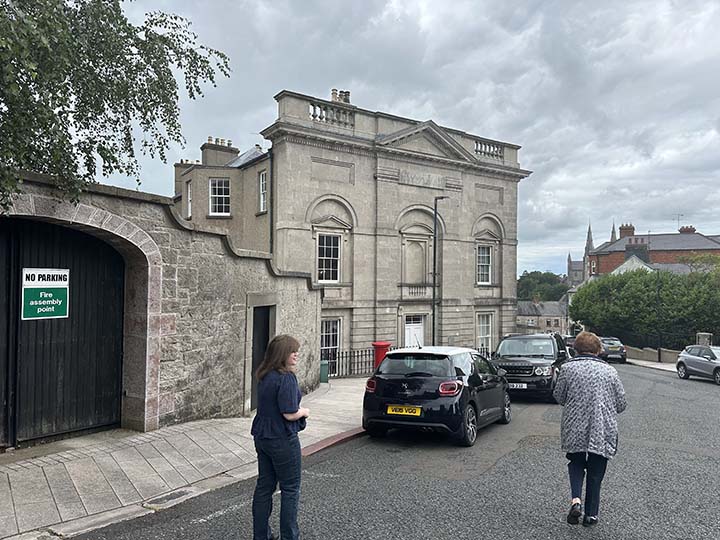
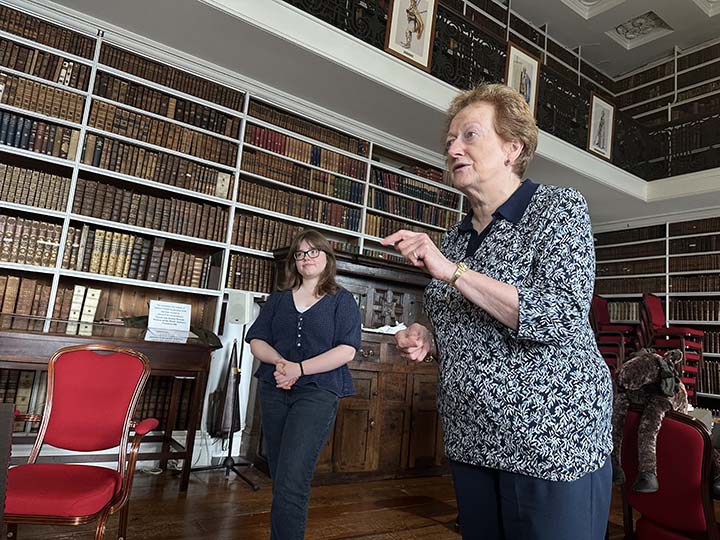
Just a short walk down the hill from the church is a library founded in 1775.
It was a small library, but fascinating. The collection included works by Jonathan Swift, author of Gulliver‘s Travels.
Here's our host at the library. She was clearly proud of this place and its history.
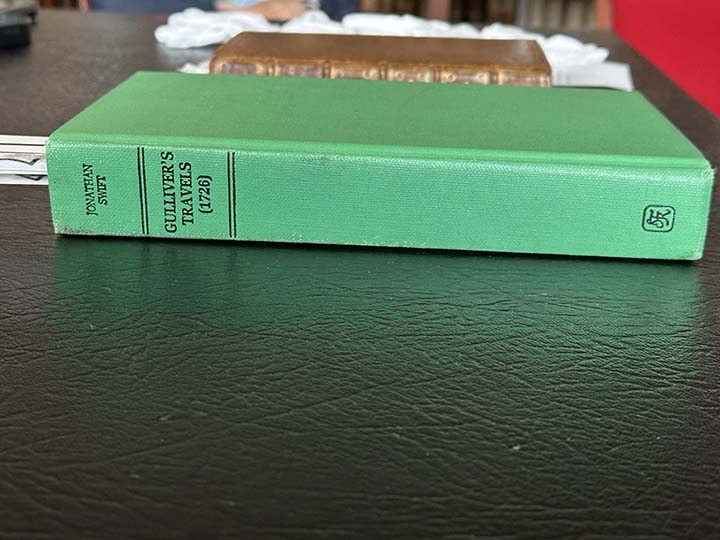
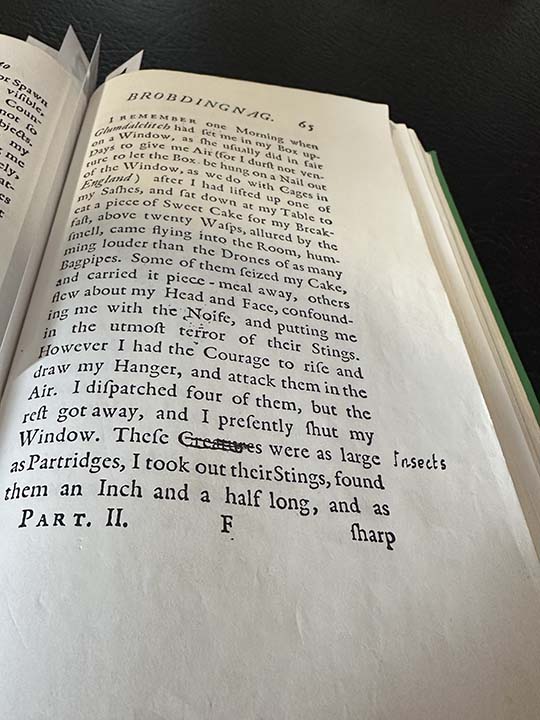
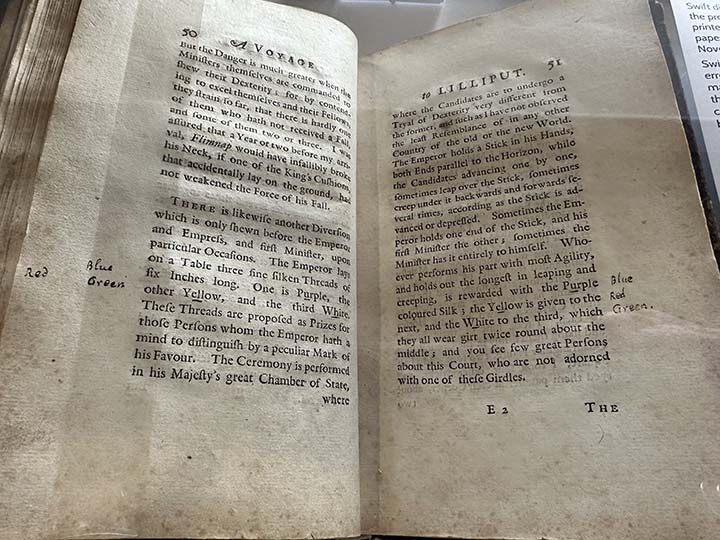
This isn't an old book. It is a reproduction of the first edition of Gulliver's Travels, published in 1976. It contains copies of the notes Swift made in the margins of his book when he saw all the changes the publisher had made in an attempt to prevent the king from chopping off his head when he realized what Jonathan Swift the satirist was really saying.
Swift was really picky about his edits.
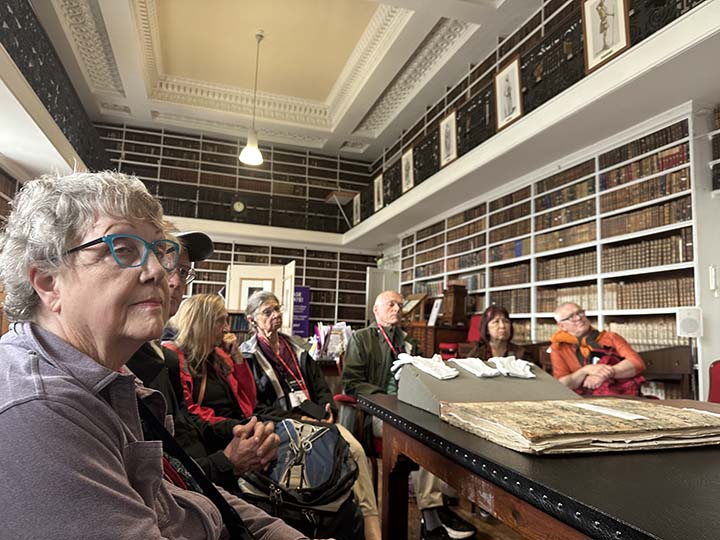
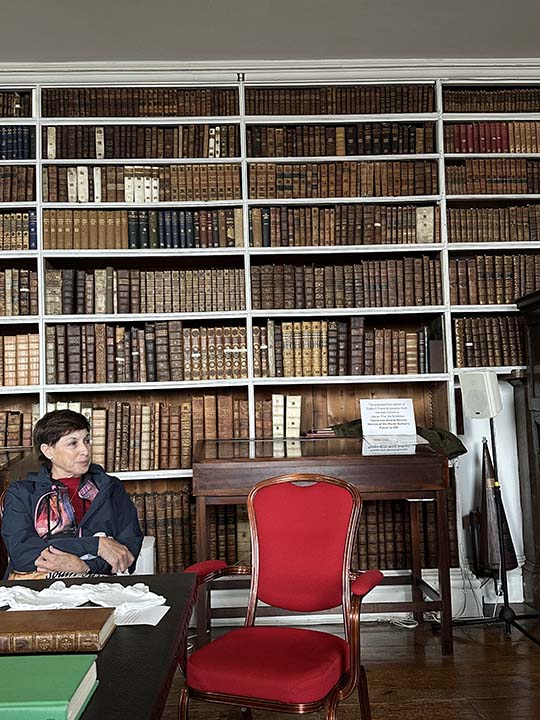
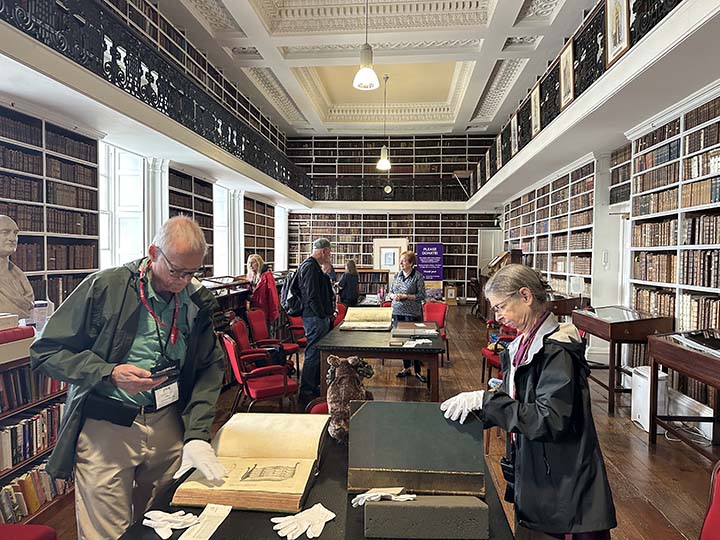
Notice anything odd about the shelves? The books are arranged by size. But don’t worry, they have a system in place that lets them find any book they want pretty easily.
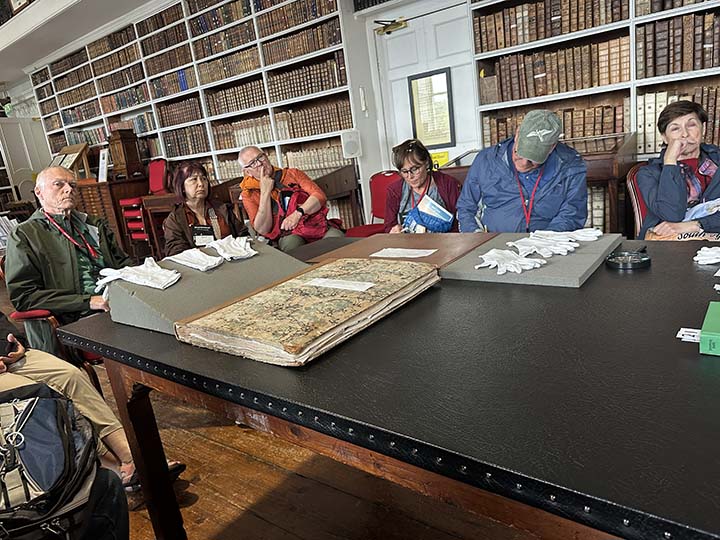
The Road Scholars are getting ready to put on some white gloves so they can touch the rare books.
This is a picture of Road Scholars touching rare books.
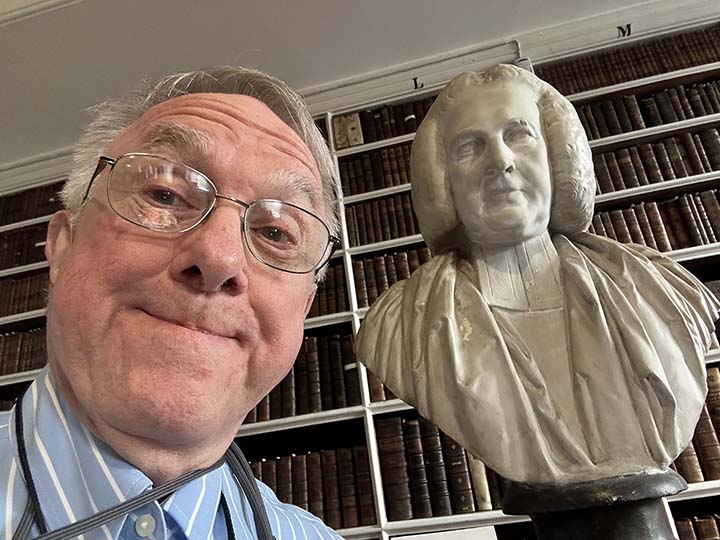
Here I am posing with Archbishop Richard Robinson, the man who founded this library in 1771.
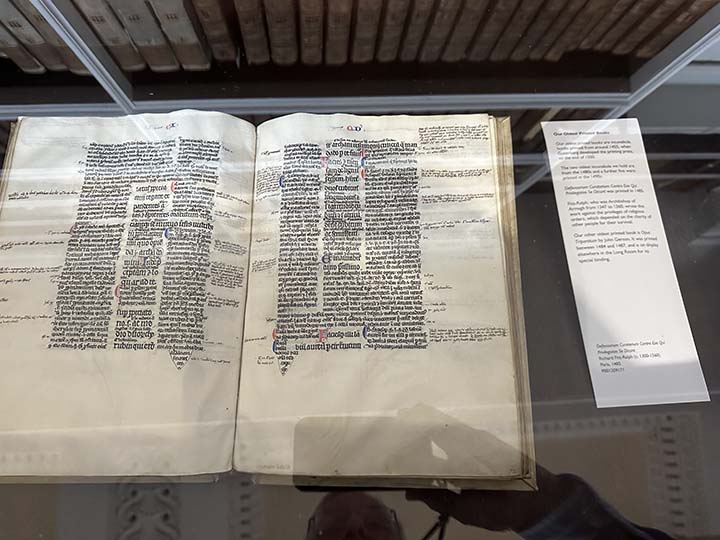
Gutenberg invented the printing press in about 1430 and his oldest books are called "incunabula" to indicate they are from the infancy of printing. This book is from some time in the 1480s and it is one of the two oldest held in this library. Defensorium Curatorium Contra Eos Qui Privilegiatos Se Dicunt (Defense of the Curates Against Those Who Say They Are Privileged) is a 14th-century theological work written in Latin by Richard FitzRalph, the Archbishop of Armagh.
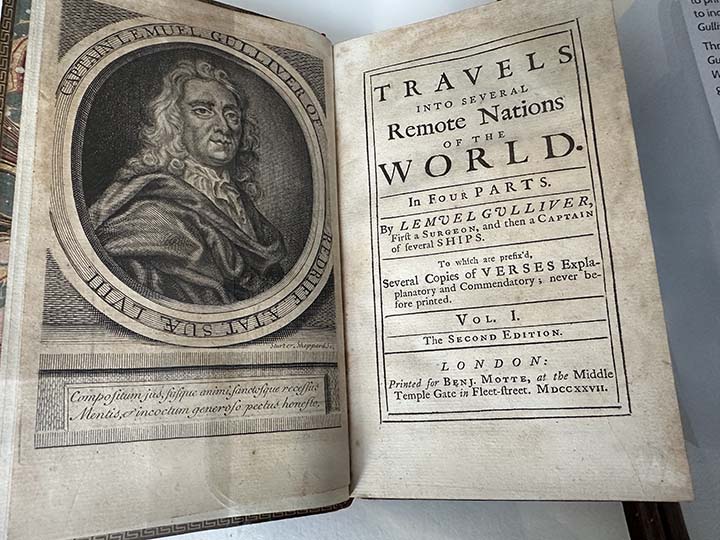
They have several early editions of Gulliver's Travels.
Volume I of the second edition.
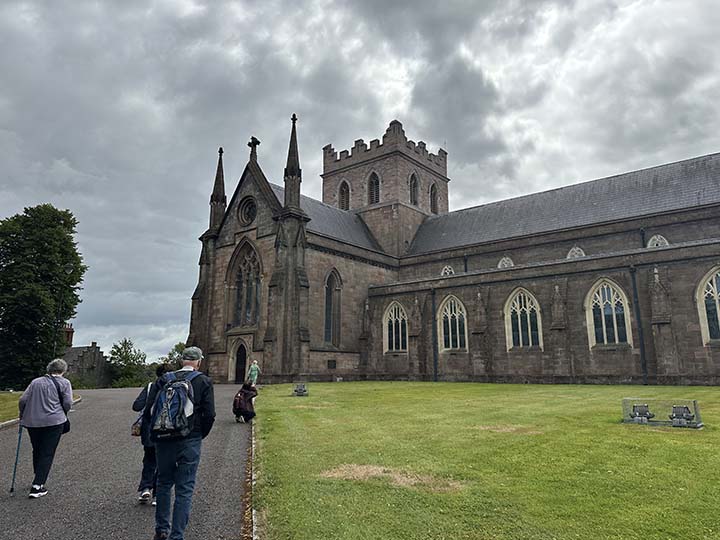
We've left the library and headed up the hill to the Anglican St. Patrick's.
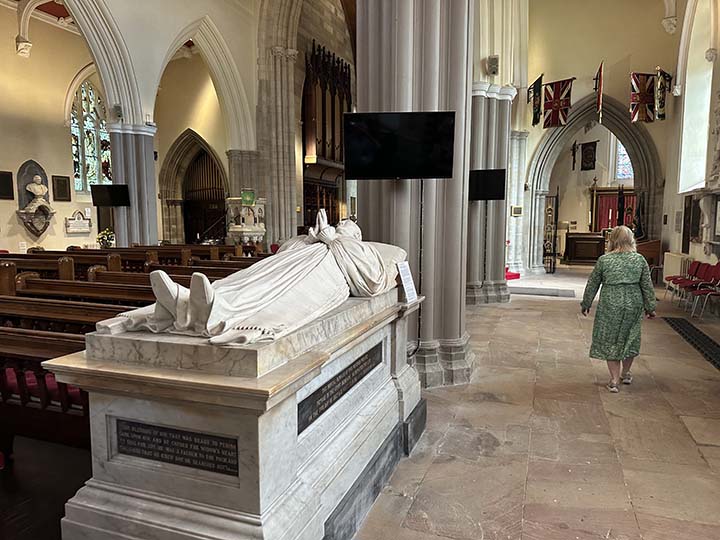
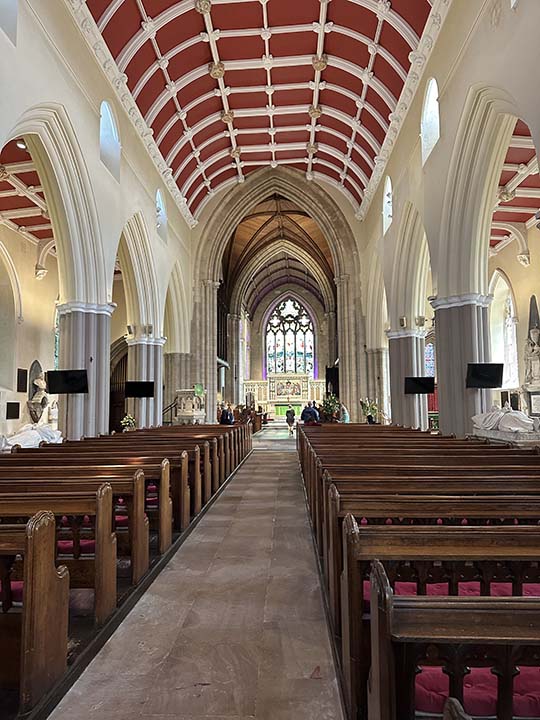
Impressive. It’s built on the site where Saint Patrick built the first Christian church in Ireland.
That's the tomb of Richard Robinson, that guy I posed with back at the library.
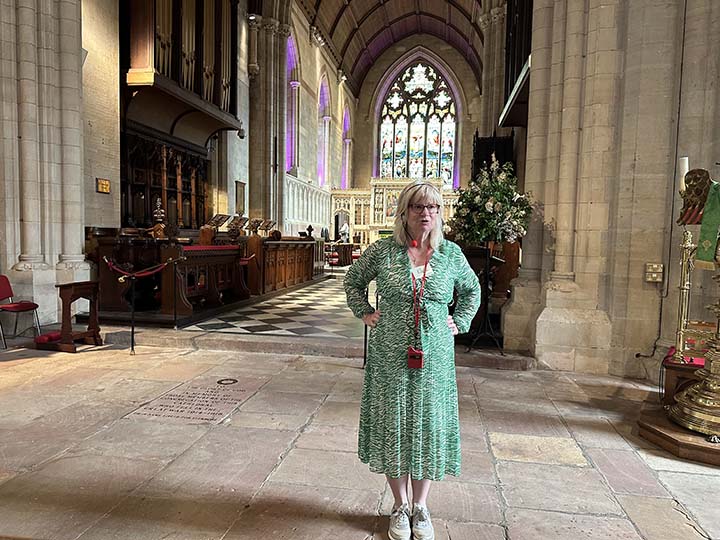
Here's our guide in the cathedral. She was just a local parishioner who volunteers to show tourists like us through the place. She was delightful and obviously very proud of the cathedral.
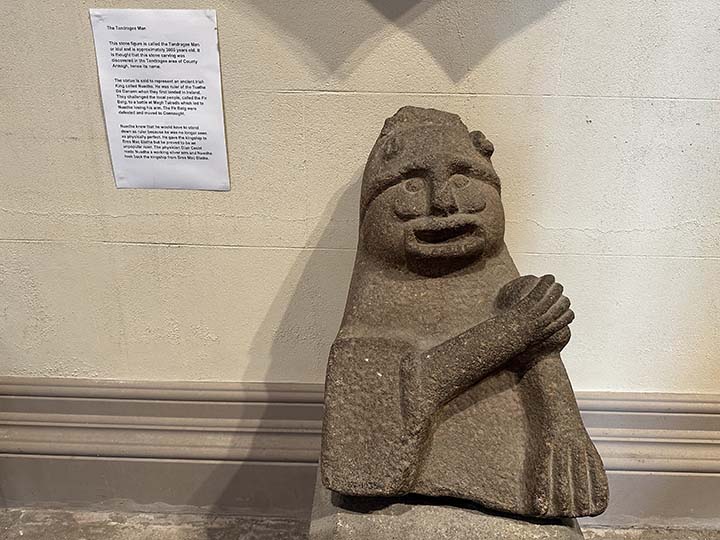
This is Tandragee Man. He was found near here in the 1800s and he's said to represent a local chieftain called Nuadha of the Silver Arm. According to our guide, he lost his standing in society when his arm was chopped off in battle, but when he'd been outfitted with a shiny new silver arm everybody looked up to him again. See him holding it in place? I think he looks like Mr. Bill.
She said the central aisle was crooked to simulate the twisted body of Christ on the cross. I don’t see it.
St. Patrick's Catholic again. The people of Armagh will tell you that their town is the center of authority for the Church of Ireland and for the Catholic Church in Ireland and we shouldn't believe anything they might tell us otherwise in Dublin.
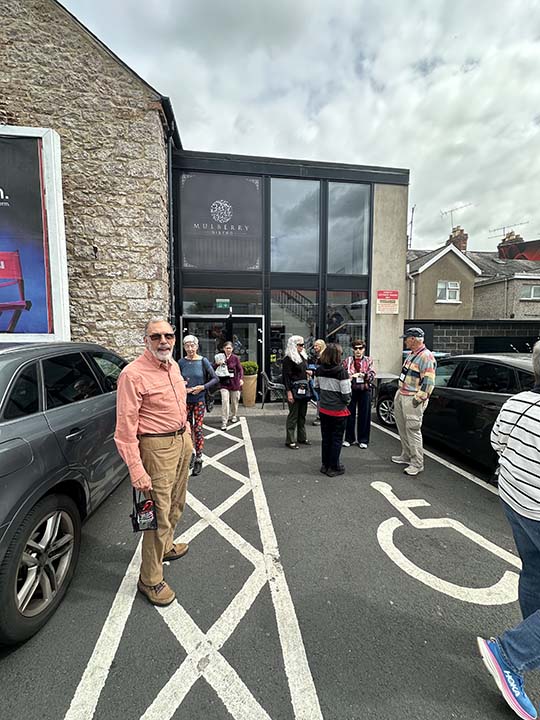
We could see the Catholic Cathedral from where we had lunch.
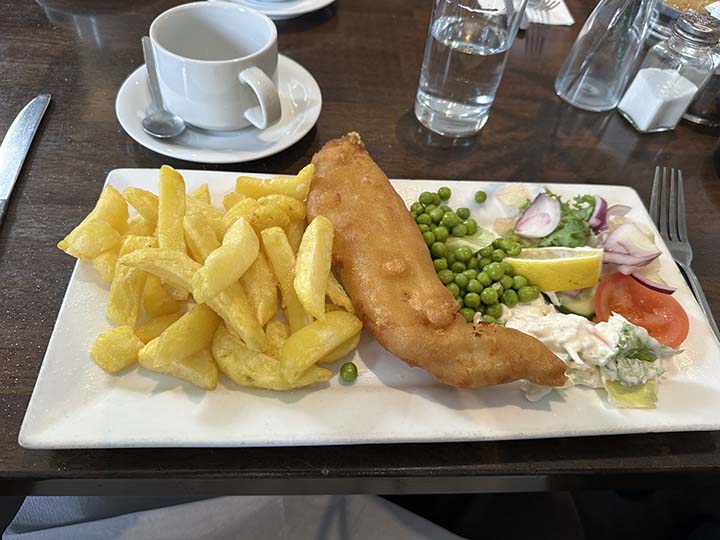
The fish and chips were good, but I’m still waiting for my first meal in Ireland that tastes so good I want some more.
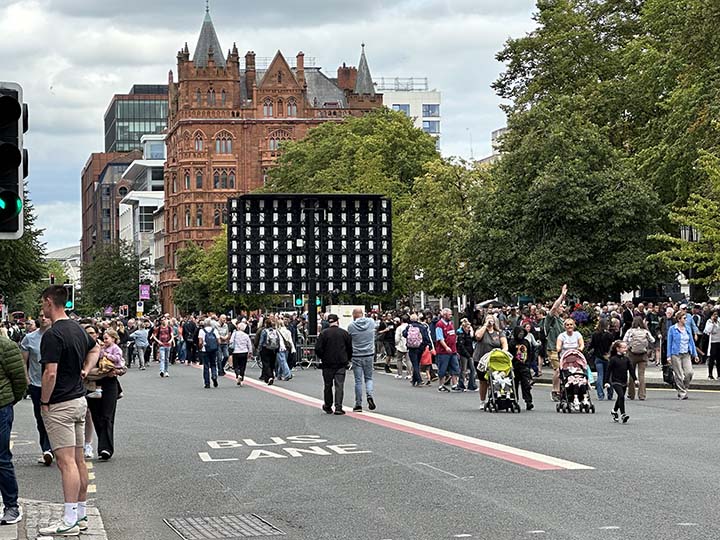
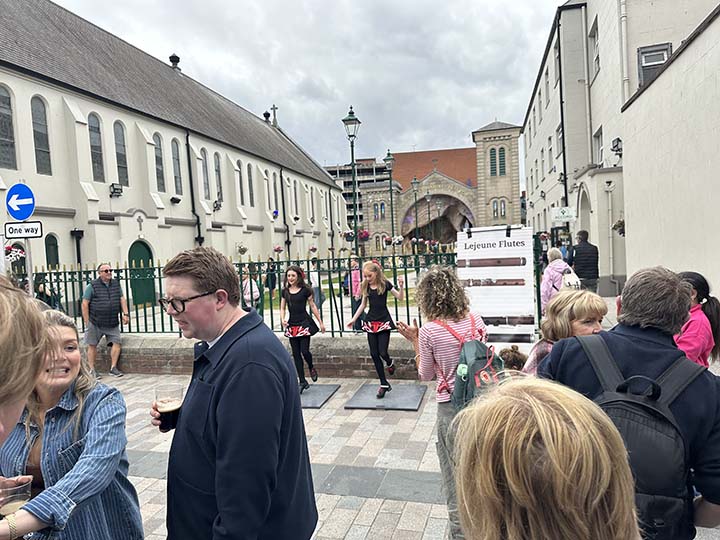
Féile an Phobail (The Community's Festival), also known as the West Belfast Festival is a community arts organization known for its August Féile (Festival). The organization is prominent for its promotion of Irish and international culture. The festival takes place on and around Falls Road in Belfast, Northern Ireland.
There were musicians everywhere you looked.
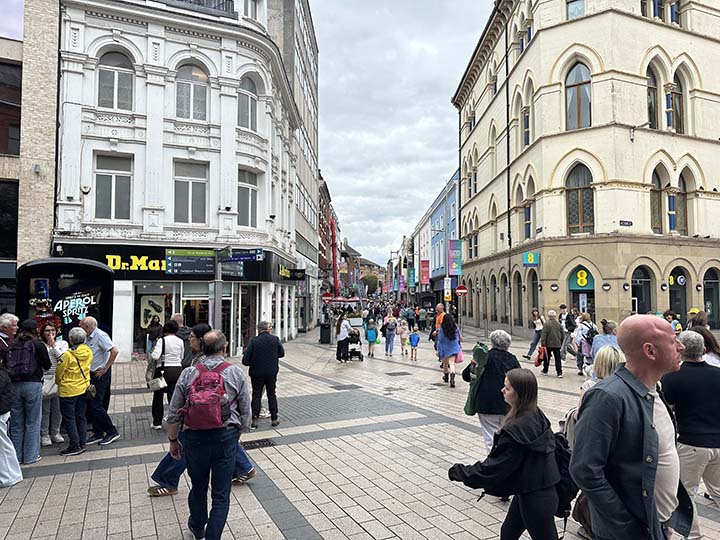
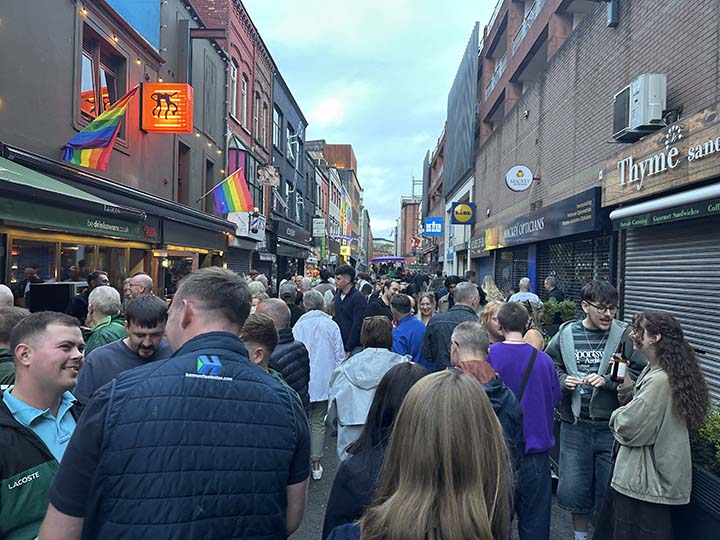
Remember, we are in Belfast, Northern Ireland, that poor city that kept turning up in the news only a few years back with stories about terror and violence. I heard Brendan, our guide, marveling with one of the locals about how they never thought they'd see peaceful gatherings in Belfast like this in their lifetimes.
Now there's dancing in the streets!
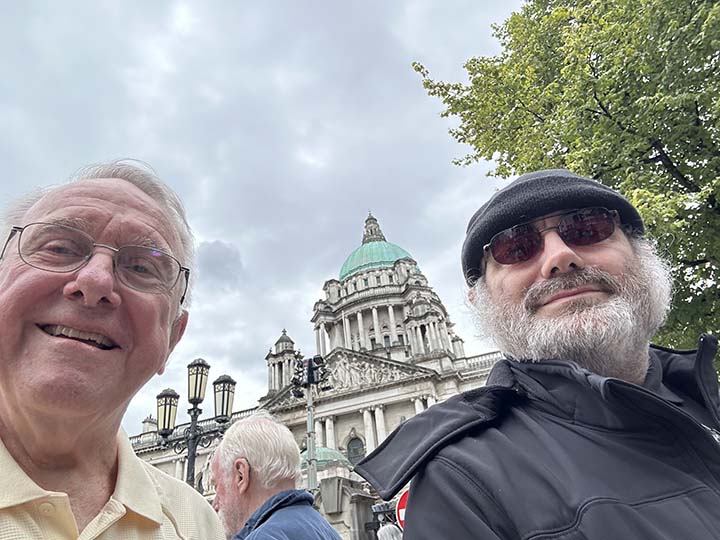
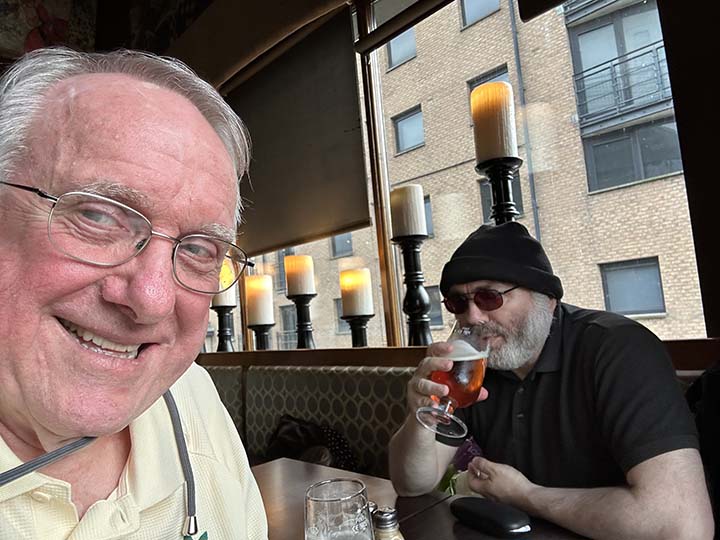
Well here's something unexpected. That guy is an old friend I had never met before. We became acquainted years ago in online discussions of a shared interest: Star Wars. When Bruce Logan saw on Facebook that I was in his home town, he contacted me and we arranged to meet for a walking tour and dinner. Turns out he’s a great guy.
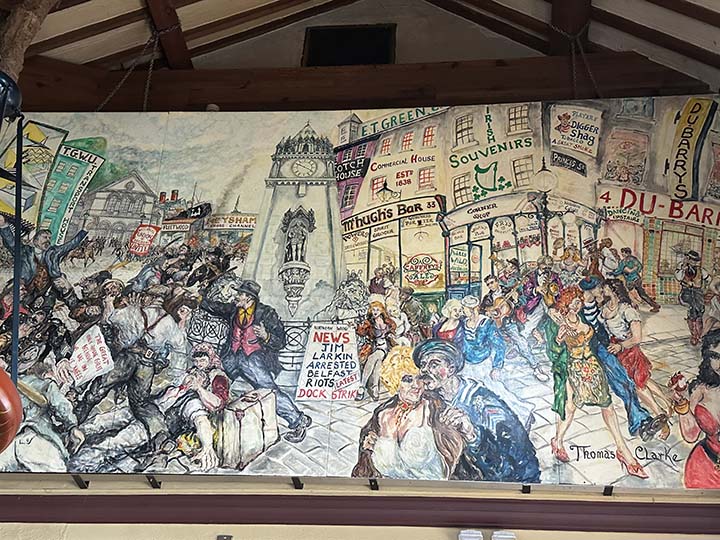
We had dinner at McHugh’s Bar, a 300 year-old establishment. See it in the old mural up there?
Lots of atmosphere here.
There was music downstairs.
It’s like everybody in Belfast was in the area, enjoying peaceful fellowship and good music.
|